Enter a keyword below to search for articles and products.
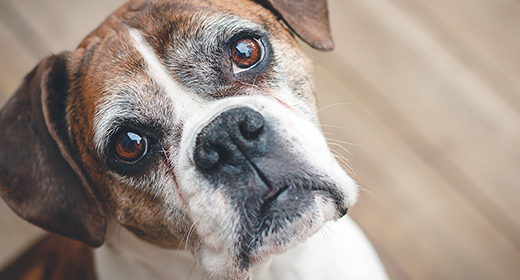
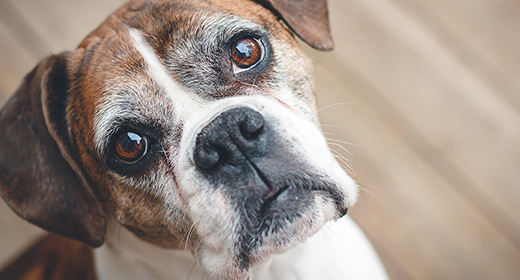
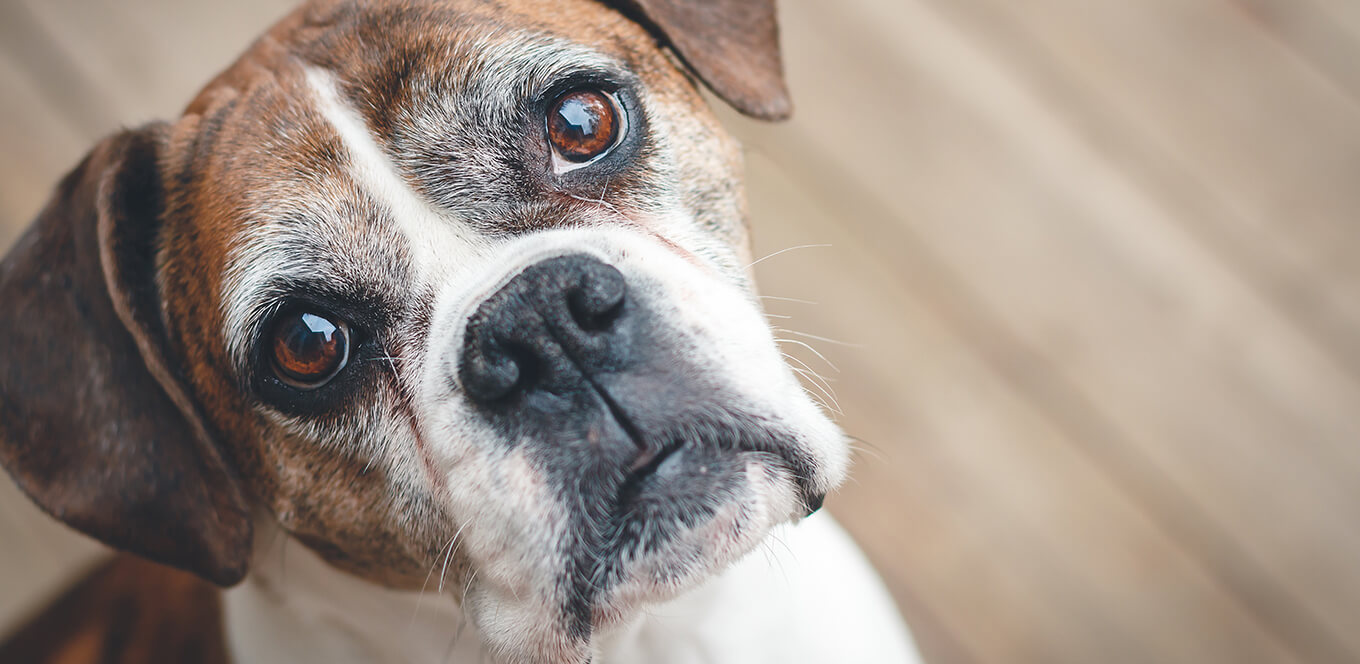
Does your mature dog sniff at his bowl and walk away instead of digging in? You may think he’s just being picky, but it’s important to keep an eye on how much he’s eating — especially if he’s a senior. While age-related diminishment of the senses of smell and taste may account for some of his disinterest in food, appetite loss can also indicate a serious medical problem.
“It’s important to give your dog enough calories because weight loss can be debilitating to senior pets,” says Wendy Brooks, D.V.M., who warns that a loss in appetite should be mentioned to your vet. A good rule of thumb: If your pet hasn’t eaten in a day, make a visit to the vet. Here are six ways to entice your canine friend with a nourishing meal.
Many animals find canned food more palatable because they like the taste and texture, Brooks says. You can top their favorite dry food with room-temperature wet food.
Dogs like a warm or room-temperature (not hot or cold) meal. Avoid serving him day-old wet food from the refrigerator, and keep his food away from heat. Another reason he might not be eating: It's too hot outside.
Dogs prefer consistency when it comes to their food. Don't change every day, but try a new flavor, such as lamb or chicken, and see if he responds (it may trigger his sense of smell). To avoid an upset stomach, introduce a new food by mixing it with his old food in equal increments each day.
Common mature-dog health issues, such as arthritis or joint pain, can make it difficult for him to access his bowls. Keep food and water where he spends most of his time. Put a water bowl on all floors of the house, too.
Older pets are at a higher risk of dehydration. Provide a clean bowl with fresh water at all times. It will help prevent disease, such as a kidney condition, and aid in digestion.
Dogs are people pleasers. If you see him eating, give him a little verbal reward. He'll know it makes you happy and will repeat the behavior.


Bringing a furry friend home is one of the greatest things you will do. If you are someone who has been longing for a furry companion, you should wait no more... however, only if you are confident that you can take complete care of this four-legged angel. Puppies need love and care, so as their caregivers, you need to help them grow into happy and healthy dogs.
Stay by your pet’s side throughout its growing stage. This is that time of its life where you need to do more than just provide food, love, and fun times; you must understand dog nutrition, follow the vaccination schedule, and potty train your puppy. Sparing some time and energy to provide your pet with basic puppy care can help you build a loving relationship with your pooch. So, let us explore a few things you can look into while nurturing a puppy. This basic puppy care guide will also keep you informed with what to expect in the first few months of being a caregiver.
Wondering what to know about taking care of a puppy? Let us start with the most basic things like puppy proofing your house. That is right. Puppies and babies fall in the same category: delicate and fragile! You need to be careful about their surroundings and make sure that there is nothing hazardous around. Puppies are naturally curious. Make sure they do not encounter things like chemicals, electrical cords, harmful houseplants, valuables, and especially breakables. You also need to get necessary pup supplies like a feeding bowl, collar, leash, and more. Set up a cosy corner for your puppy to rest in!
Choosing the right puppy food is of paramount importance. You must pick out puppy food that is specifically formulated for growing puppies as it needs the right kind of nutrients to grow stronger. So, avoid adult dog food if your pet is still a pup.
Not sure when to make a switch to adult dog food? Well, it totally depends on the breed size. If you have a small or medium breed dog, you can switch to dog food once it turns 9 to 12 months old. If you have a large breed dog, continue feeding puppy food until it turns 12 to 24 months old. Apart from that, make sure your pup always has access to fresh and clean water!
This is what a typical puppy feeding schedule would look like:
At IAMS™, we offer a range of puppy as well as adult dog food that nourishes your furry friend with vitamins, minerals, proteins, and other essential nutrients. Our products are made with premium-quality ingredients to ensure that your dog enjoys every bite of its food.
Taking your furry friend to the vet is the most important part of taking care of a puppy. Your dog’s first visit to the vet will help you learn about your dog’s overall physical health. Vet visits will also keep you informed about the vaccination schedule. In fact, it is recommended to make a list of all questions that you may have. This list should include topics like:
Puppies should meet a variety of different people, dogs, objects, and situations – all in a positive way. The most important time for pups to socialize is between three and 12 weeks of age, however, it should continue throughout a puppy’s development. As pet parents, you can take your pooch to puppy classes as it provides a great opportunity to socialise puppies.
You can get started with potty training from the day one. This will help inculcate basic bathroom manners in your dog and will save you from cleaning the floor every time your pooch excretes. So, pick a bathroom spot outside your house and take your pup to the same place whenever it is potty time. Praise it right after it is done. You can also reward it with treats. However, under no circumstances must a puppy be yelled at since it may ignite fear.
The best way to train is to reward good behaviour and ignore unwanted behaviour. It is never too early to begin training a puppy, but owners must remember that very young puppies become tired or distracted easily so training sessions should be kept to a short duration.
Dogs are prone to losing tooth, bad breath, and periodontal diseases. Moreover, they are good at hiding their dental pain. Hence, owners should introduce some form of oral care for their puppy as early as possible. Consult your vet to ensure that you pick the best dental care option for your pooch.
Amounts of exercise should be controlled for puppies during growth. They should not be forced to exercise beyond the amount of time they would engage in with another puppy of the same age. Moreover, your furry friend must be allowed to rest when they need to. So, instead of offering a one long playtime period, go for two short walks.