IAMS PH
Your Dog’s Health, from 1 to 8 Years

adp_description_block463
Adult Dogs Health Care Guide

  • Share

Just like humans, dogs too need constant care and support throughout their lifetime. We all know puppies need more attention and care; however, did you know? Adult dog health is also equally important. In fact, dogs’ health is the primary responsibility of every pet parent. Providing the right nutrition and health care largely contributes to your pooch’s health. Keeping the four-legged angel away from the harmful pathogens, germs, and unhygienic surroundings is also a prime responsibility of every caregiver. A dog’s behavior, mood, and diet can say a lot about its baby’s health and fitness. Hence, as a dog parent, you must keep a close eye on your pet’s behavioral changes.
 

Signs of a healthy dog

There are many signs that help pet caregivers keep a tab on their canine companion’s health. Given below are a few signs to look for to understand your dog’s health and fitness status:

  • Shiny fur: Your pooch’s fur gives you direct insight into its health. You can easily identify a dog’s health with a single glance at its fur. A glossy, shiny fur with no parasites or bald spots is considered healthy. However, you must know that a certain degree of shedding is considered normal in some breeds.
  • Bright eyes: Another sign of a healthy dog is bright, shiny eyes. If your dog’s eyes are perfectly bright and have no issues of discharge or watering, it is considered a healthy sign.
  • Smooth skin: You should constantly check your fur baby’s skin alongside glancing over their fur. Your pet’s skin should ideally be free of any scratches, rashes, growth, and redness.
  • Clean ears: Another sign of a healthy adult dog are clean ears. Your dog’s ears should have no discharge, wax, or swelling as they could be a sign of an ear infection.
  • Temperature: 101°F to 102.5°F is the average normal body temperature for dogs. Your pooch’s health might be at risk in case of low or high temperature. Hence, you should constantly record their body temperature to ensure they are fit and fine.
  • Oral health: Adult dog health is also linked to gum, teeth, and mouth hygiene. Signs of healthy oral health in dogs include strong teeth, pink and normal gums, and no foul smell.
  • Normal stool: A healthy dog will not have any issues passing stool or urinating. You should constantly check your dog’s stool to look for signs of constipation and diarrhea. Signs of parasites and worms in stool can also be symptoms of an unhealthy dog.

Signs of a sick dog

Knowing about the symptoms of a sick dog helps caregivers identify and treat their pooch’s medical condition in time. Given below are a few signs and symptoms that might help you recognize any dog illness:

  • Loss of appetite: If you notice your pooch eating lesser or not being as enthusiastic about treats and mealtime, then there could be a potential health concern. Loss of appetite could be linked to stomach issues, gastrointestinal issues, or other illnesses.
  • Cough: Constant sneezing and coughing are signs of flu. Even though most adult dogs recover from flu within a few weeks, they can sometimes develop other bacterial infections. Hence, it is better to get them treated at the earliest to avoid such concerns.
  • Pain: If you notice your pet frequently chewing on their joints, limping, or whimpering, then they could be suffering from some sort of pain. Visit a vet at the earliest to get the issue diagnosed and start the necessary treatment.
  • Irritation: Constant irritation, aggression, and uncalled change in behavior is other signs of undiagnosed illness in dogs. Unlike humans, dogs cannot express their feelings in words. Hence, you need to pay close attention to their behavior to understand their complaints and concerns. Visible signs of irritation, barking, and sometimes lethargy could also be considered a sign of illness in adult dogs.
  • Diarrhea and vomiting: Dogs often vomit or pass stool when suffering from an upset stomach. Watery stool and constant urge to pee or pass stool are a few known signs of potential illness in dogs. If you notice your pet vomiting or suffering from diarrhea, you should consult a vet at the earliest.

Maintaining your pet’s health is an essential part of caring for them. Visiting a vet is necessary for getting your pooch vaccinated and regularly checked. Veterinarian doctors also prepare diet charts and suggest health supplements for your dog depending on its health requirements. In conclusion, looking for signs of sickness and constantly inspecting your dog's physical and psychological well-being ensures that your furry friend is hale and hearty.

Frequently asked questions

  1. What are some common dog’s health issues?
  2. Heartworms, canine influenza, parasites, and leptospirosis are some common health issues faced by dogs.

  3. How do I know if my dog is healthy?
  4. If your dog shows no signs or symptoms of illness, eats well, rests enough, and is in a pleasant mood on most days, then your dog is more likely to be healthy.

  5. What are the signs of a healthy dog?
  6. A clean, shiny coat, healthy pink gum, smooth skin, and normal body temperature are a few signs of a healthy dog.


  • Understanding Antioxidants in IAMS™ Dog Food
    Understanding Antioxidants in IAMS™ Dog Food
    adp_description_block225
    A Pet Parent’s Guide To The Best Antioxidants For Dogs

    • Share

    Antioxidants are chemicals that the body uses to combat free radicals. And free radicals are substances that might harm the body if they exceed a certain level. Antioxidants are also beneficial for your pets, especially your dogs. Your dog needs antioxidants to help promote a healthy immune system. Hence, every IAMS™ dog formula contains optimal levels of these nutrients.

    Antioxidants are naturally occurring essential nutrients that help maintain your dog’s health by slowing the destructive oxidative process of cellular molecules. IAMS™ research has been focusing on advancing antioxidant nutrients for senior dogs — and the benefit is improved immune function. Discover how the antioxidants in IAMS™ products can benefit your dog’s health in a number of ways.


    Benefits of antioxidants for dogs

    Antioxidants are found naturally in fruits and vegetables. Common antioxidants include vitamin A, vitamin C, vitamin E, and certain compounds called carotenoids (like lutein and beta-carotene). When antioxidants are a part of a dog’s complete diet, they can provide the following benefits:

    •  Slowing the oxidative process of cellular molecules.
    • Reversing decreases in immune-cell function in senior dogs
       

    How antioxidants work

    As cells function normally in the body, they produce damaged molecules called free radicals. These free radicals are highly unstable and steal components from other cellular molecules such as fat, protein, or DNA, thereby spreading the damage.

    This continues in a chain reaction and causes cells to die. This process is called peroxidation. Peroxidation is useful because it helps the body destroy cells that have outlived their usefulness, and it kills germs and parasites. However, when left unchecked, peroxidation also destroys or damages healthy cells.

    Antioxidants help prevent widespread cellular destruction by willingly donating components to stabilize free radicals. More importantly, antioxidants return to the surface of the cell to stabilize other cellular components.

    When there are not enough antioxidants to hold peroxidation in check, free radicals begin damaging healthy cells, which can lead to problems. For example, free radical damage to immune cells can lead to an increased risk of infections.


    Antioxidants in IAMS™ adult dog and puppy foods

    Antioxidants offer countless benefits to our furry friends. And it is imperative that their food is loaded with it. Want to know why? Read on.


    Why do dogs need antioxidants?


    Antioxidants are a must for dogs as they are exposed to significantly more toxins than humans. These antioxidants work like protective agents within the dog’s body, battling free radicals that cause symptoms and diseases like skin problems.

    Furthermore, giving liver antioxidants for dogs will boost liver health and eliminate toxins from their body more efficiently. The liver will convert fat-soluble toxins into water-soluble toxins to easily flush them from your pet’s body through the GI tract and kidneys.

    Recent research has examined the benefits of certain antioxidants on the immune response of dogs, and the results of these studies indicated that antioxidants are important in helping dogs maintain a healthy immune system.

    IAMS™ adult and puppy formulas contain optimal levels of antioxidants such as:


    Antioxidant

    Source

    Function

    Vitamin E

    Plant oil extract and tocopherols

    Optimises immune system’s T-cell activation

    Beta-carotene

    Vitamin premix, corn meal, chicken by-product meal and chicken fat

    Optimises types of cells present in the blood,
    increases antibody levels in the blood


    Now that you know how dog food with antioxidants can benefit your dog, here’s a list of the best antioxidants for dogs:

    Best antioxidants for dogs

    Vitamin C

    • One of the most essential vitamins for a dog's health
    • Aids in wound healing and reducing inflammation
    • Provides energy so your dog can enjoy playing outside all day

     Vitamin E

    • One of the best antioxidants for dogs with cancer
    • Provides a natural boost to the immune system
    • Supports healthy blood vessels and protects against diabetes and heart disease

    Beta Carotene

    • It is a fantastic dietary addition for your dog.
    • Helps boost the number of antibodies in blood and offers additional protection against diseases in older dogs

    Polyphenols

    • Excellent antioxidants for dogs as they help maintain your pet’s health and strength for many years
    • Shields from diseases like cancer or diabetes


    Sources of antioxidants for dogs

    You can find natural antioxidants for dogs in the following:


    Fruits and Vegetables

    The antioxidant content of plant-based foods is high. Foods that are highest in antioxidants are fruits and vegetables as they are loaded with vitamins and beneficial in countless ways. Some examples of excellent sources of antioxidants are blueberries, strawberries, pears, red cabbages, and kale. Make sure to check which fruits and vegetables are safe for your dog to consume.

    Supplements

    Give your dog the best vitamins you can, so your pooch stays healthy. It is crucial that dogs receive a supplement that is specifically designed for their life stage. 

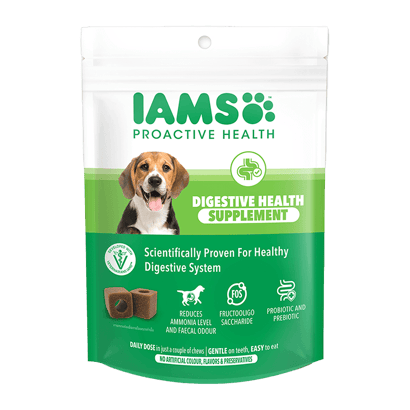
    Look for dog food with antioxidants and nutrients that are bioactive and bioavailable so that these get absorbed properly into your dog’s body. Make sure that the supplement you choose has the ideal ratio of natural elements for your pet’s needs. That can be accomplished by looking for a combination of prebiotics, antioxidants, vitamins, and minerals.

    For a healthy body from the inside, you can also feed your pooch IAMSTM Proactive HealthTM dog food. Find the products that are best for your dog by shopping based on your pet’s age.


    article understanding antioxidants in article dog food header
Close modal