Enter a keyword below to search for articles and products.
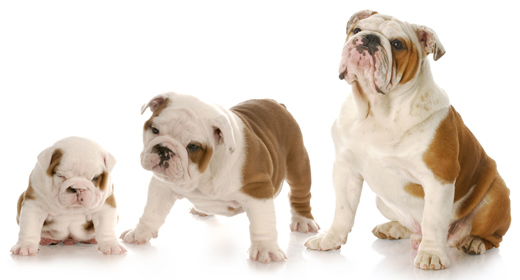
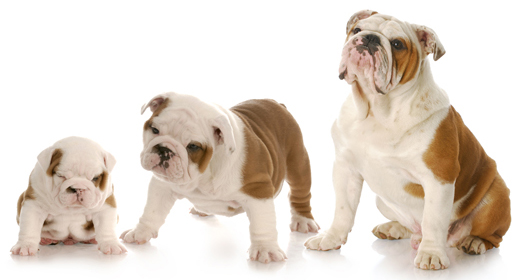
Just like humans, dogs too need constant care and support throughout their lifetime. We all know puppies need more attention and care; however, did you know? Adult dog health is also equally important. In fact, dogs’ health is the primary responsibility of every pet parent. Providing the right nutrition and health care largely contributes to your pooch’s health. Keeping the four-legged angel away from the harmful pathogens, germs, and unhygienic surroundings is also a prime responsibility of every caregiver. A dog’s behavior, mood, and diet can say a lot about its baby’s health and fitness. Hence, as a dog parent, you must keep a close eye on your pet’s behavioral changes.
There are many signs that help pet caregivers keep a tab on their canine companion’s health. Given below are a few signs to look for to understand your dog’s health and fitness status:
Knowing about the symptoms of a sick dog helps caregivers identify and treat their pooch’s medical condition in time. Given below are a few signs and symptoms that might help you recognize any dog illness:
Maintaining your pet’s health is an essential part of caring for them. Visiting a vet is necessary for getting your pooch vaccinated and regularly checked. Veterinarian doctors also prepare diet charts and suggest health supplements for your dog depending on its health requirements. In conclusion, looking for signs of sickness and constantly inspecting your dog's physical and psychological well-being ensures that your furry friend is hale and hearty.
Heartworms, canine influenza, parasites, and leptospirosis are some common health issues faced by dogs.
If your dog shows no signs or symptoms of illness, eats well, rests enough, and is in a pleasant mood on most days, then your dog is more likely to be healthy.
A clean, shiny coat, healthy pink gum, smooth skin, and normal body temperature are a few signs of a healthy dog.


Having a puppy in your household never lets a dull day knock on your door. What could be more exciting than having a fur baby live with you? For some of you, it may also be a lifelong dream finally coming true. While everything about sharing your space with a pup sounds delightful, it starts going south when an untrained puppy takes over the house.
Procrastinating the process of house training a puppy can drive your pooch to eliminate in your house and ruin carpets and furniture. This is not a pretty scenario in the long run because not being able to control your little pup can put you and your family into distress. And most first-time pet parents are clueless regarding how to handle and control their furry companion. If you are one of them, here’s everything you need to do to house train your puppy.
This is not something that you take lightly. You need to be determined and consistent with the process if you want this to stay with your pup forever. House training a dog requires patience and perseverance. Create a routine and stick to it. Try to get your puppy used to walking on leash before you start potty training.
Note: You need to know that your dog is new to your house, it will need time to adjust in the brand-new environment. So, make sure that you do not develop a plan that is too overwhelming for your pet.
A routine always helps in the long run, whether it is for us or for our dogs, establishing a routine will help your dog to understand that there is a specific time to eat, play, sleep, or potty. So, with this, your dog will know that there is a particular time to poop as well. It is better to have a dog with a routine than the one who defecates anytime, anywhere.
Taking your puppy out at appropriate times is non-negotiable. Take it out for a walk right after it wakes up, during its play time, and after it eats or drinks because these are the times when dogs are most likely to want to go. Hence, keep a good gap between meals and water, and bedtime, so your pup does not have to hold their business in for too long.
As a dog parent, you must know that for every month of age, puppies can control its bladder for an hour! So, if your pup is 2 months old, it can hold its bladder for 2 hours. However, 6 hours is the limit. Dogs cannot control their bladder for more than 6 hours.
Commands can help pet parents in communicating with their pooch. If you use a command repeatedly for a certain action, your dog will begin to pick up on the relation between your words and the act. For example, if you keep using the phrase ‘go fetch’ while you throw a toy or a stick, your pet will start understanding that it needs to go and retrieve the object. Similarly, when you take your dog out on a leash and want them to defecate, use the phrase ‘go potty’ and point to a particular spot. This will help them realise that they need to go.
Rewards can help establish a healthy relationship between you and your four-legged friend. These rewards can be in the form of treats or playtime with its favorite toy. It will help you teach new commands while also encouraging good behavior. Make sure you are not showering treats on your pup before the task or action is complete. For example, give your pooch a treat after it has finished its potty round and not when it is in middle of it. Wondering why? Because then, your pup might not finish what it’s doing and have an accident later inside the house.
Note: If you feel that there's little to no progress, consult your veterinarian to rule out medical issues like bladder infections.
Now that you know how to house train a dog, you must understand that it is a time-consuming process. Your pup might take time to learn, however, with consistent practice, your dog will be obedient. Here are a few things you must know before you two get down to training: