Enter a keyword below to search for articles and products.


Dogs need a well-balanced meal for their adequate growth and development. Different breeds and sizes of dogs require a different amount of nutrients. Puppies are at their growing stage, and hence they require more energy for overall development. Nutrients like fat, protein, carbohydrates, vitamins, minerals, and water help the puppy nourish into a healthy dog. Choosing a puppy food is a crucial decision to make as the type of puppy food you choose directly affects your fur baby’s development in the initial years.
IAMS™ is one of the leading puppy food brands that is known for offering food packed with energy and nutrients to support a puppy’s growing age.
Pet parents often face the dilemma of how to choose puppy food for their fur baby. Puppies often need twice the amount of nutrients compared to an adult dog. While choosing a puppy food, you must look for meal options that are highly digestive and nutrient dense. The food should be packed with vitamins, proteins, fat, and carbohydrates for your puppy’s healthy growth. Some benefits of selecting the right puppy food are:
While home food can be nutritious, it can sometimes not be sufficient for a puppy’s growing body. Hence, pet parents need to depend on formulated puppy food that is packed with the goodness of protein and other essential nutrients to support their fur baby’s growth and development stage. However, how to choose the right puppy food brand amongst so many available options? Read the following to know more.
Moreover, you must also consider your puppy’s breed, size, and weight when confused about how to choose food for the puppy. Smaller breeds of dogs mature faster than larger breeds, this means your puppy’s breed decides how much nutrients it will need for how long. While most puppies can start consuming solid food once they turn 4-weeks old, their transition from puppy food to adult dog food varies depending on their breed, size, and weight. Please consult a vegetarian doctor if you are unsure about your pet’s breed and the amount of nutrients required for its adequate growth.
Different breeds of dogs require a different amount of nutrition for their proper growth and development. Feeding the puppy as per its breed’s requirement ensures that it gets the right amount of nutrients for its physical and psychological growth. Hence, to help you choose the best for your fur baby, we have curated some insights on how much nutrition is required for which breed size.
The physical growth and development of a puppy are at stake during its initial years. Therefore, choosing a diet that meets all its nutritional requirements and provides appropriate nourishment is essential. Caregivers should be mindful of their puppy’s allergies, breed size, and age before selecting a puppy food brand. IAMS offers a wide range of puppy food varieties for different breed sizes based on their nutritional requirements. However, you should consult a vet if you are unsure about your puppy’s nutritional needs and breed.
At IAMS™, we focus on preparing highest-quality food for dogs of all ages and breeds. Our puppy food – IAMS™ Proactive Health™ Starter Mother and Baby Dog – is the ideal pick for your little pooch’s optimal growth and development. Along with being loaded with proteins, vitamins, and minerals, it also contains DHA and colostrum. While DHA ensures healthy cognition for better trainability, colostrum provides essential nutrients that’s only found in the mother dog’s milk. Enriched with best-quality proteins, fiber, and FOS natural prebiotics, IAMS™ Proactive Health™ Starter Mother and Baby Dog ensures healthy muscles as well as digestive system.
Puppies ideally prefer animal-based meals. You can select the best food formula by choosing a puppy food brand that caters to your puppy’s breed size as different breed sizes require a different amount of nutrients for overall development and healthy growth.
Yes, puppies need more energy compared to adult dogs. Hence, they do require special food that can offer twice the amount of nutrients in smaller quantities. Besides, puppies also need to be fed more frequently to support the nutritional requirements for growth and development.
This is subjective to the puppy’s nutritional requirements and allergies. Most puppies rely on animal-based food for their nutritional needs. Nutrient-packed formulas offered by puppy food brands like IAMS are also suggested for providing a well-balanced and nourishing food to your puppy.


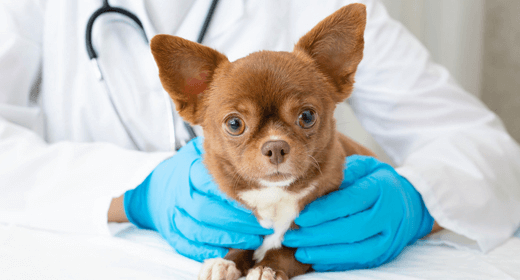
Bringing a new furry friend home is one of the most exciting things you will experience. And as a pet parent, the first thing you need to do is lay down a puppy vet care plan. Hence, it is essential that you take your new, little pet for a general check-up within the first week of bringing it home. During this vet visit, you can learn about your dog’s vaccination schedule, nutritional requirement, training needs, and more. It is crucial to seek professional medical advice to make sure that you do not overlook any aspects that may need immediate attention. If you are not sure why and when you need a vet for your dog, this article is for you. It gives you a gist on how often you should visit your vet, vaccinations, annual check-ups, and more.
A veterinarian is going to help you keep your floofy healthy and in check. A puppy, just like a senior dog, will require more attention. So, if you are wondering how often a puppy should go to a vet, here’s your answer: once every 3-4 weeks. If your puppy requires special attention, your veterinarian will recommend frequent follow-ups. If this is your pup’s first vet visit, contact the breeder for information on vaccination and any other medical history. If you have a rescue pup, let your vet know. It will help your doctor assess your pup’s case better.
Moreover, take your puppy to the doctor immediately if you notice any of the following issues:
Note: Even if your dog comes with a documentation of up-to-date vaccination shots, you should take it to the vet at least once to get a green signal.
We humans visit our family doctors at least once a year even if we do not exhibit any symptoms. Similarly, even your fur baby needs to be taken to the vet once a year for annual vaccination and a general medical check-up The vet will check your baby’s heart, lungs, ears, eyes, look for any abnormal growth, and do other basic tests.
Based on the medical examination, your vet may recommend certain dietary changes, physical activities, and a dental care routine. Follow their recommendations religiously to improve your puppy’s health! Here are a few things you can carry during your dog’s yearly appointment:
Puppies are born with some immunity passed on to them by their mothers. However, they start losing their inherited immunity once they turn 6 to 8 weeks old. Therefore, it becomes imperative that you start vaccinating your puppy around that time. Their innate habit of sniffing and licking everything that strikes their fancy exposes dogs to a plethora of diseases. Thankfully, a vaccination plan can shield them against fatal viruses and diseases. Vaccine shots are administered when puppies turn 6-8 weeks old, and they are repeated every 2-4 weeks until the puppy is 16 weeks of age or older. Sometimes, a vet may recommend an earlier vaccination regimen, starting at 4 weeks of age in the face of an outbreak or when the mother has an unknown vaccination history. You can ask your vet for a vaccination schedule customized for your puppy.
As kids, we were inoculated against several health issues with different types of vaccination. Similarly, your dog too needs to be vaccinated against multiple diseases such as rabies, distemper, hepatitis, etc. So, Let’s take a look at the types of vaccines commonly administered to your dog:
The above vaccines may come in different combinations; hence, consult your vet and get a proper understanding of