Enter a keyword below to search for articles and products.
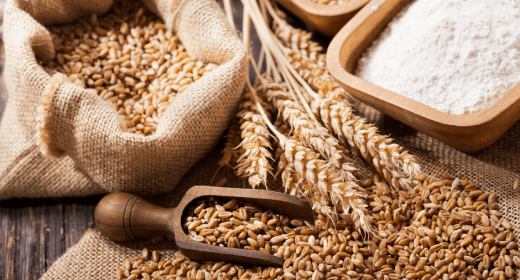
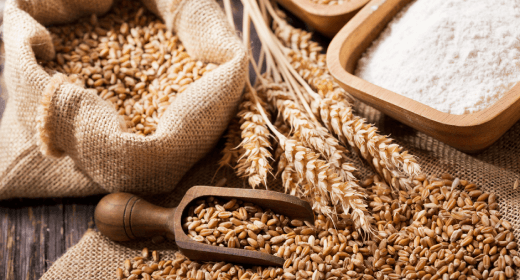
Wheatgrass is the fresh shoots of the wheat plant harvested before the grain sprouts. Although unusual, it is a common meal component for cats. Wheatgrass is rich in protein, carotene, and vitamins A, E, and C, making it an added source of nutrition for cats. Cats often nibble on wheatgrass and leafy greens to improve their digestion as fibres present in these plants aid in smoother bowel movement. However, it is important to ensure that your cat only feeds on organic and pesticide-free wheatgrass.
Generally, all cats that are not allergic to wheatgrass can easily digest and benefit from its nutritional value of it. Wheatgrass for cats is a good source of vitamins, protein, and other essential nutrients. The fibre and selenium help in improving the cat’s gut health. However, you should identify if your kitty is allergic to wheatgrass before letting it nibble on wheatgrass. The following are some signs that will help you identify if your cat is allergic to wheatgrass:
Even if your cat is not allergic to wheatgrass, you must limit its consumption to less than 10% of its total caloric consumption. Wheat for cats is best served every alternate day instead of daily.
While everyone knows wheatgrass for cats is beneficial for digestion, there are various other benefits of wheatgrass as well. The following are some of the many benefits of wheatgrass for cats:
While there are many advantages of wheatgrass and wheat for cats, there are a few considerations and disadvantages as well. Some of the demerits of excessive munching on wheatgrass for cats are as follows:
Most cat parents have a hard time differentiating between cat grass and wheatgrass. If you are one of them, fret not. We will understand the difference between the two in this section.
Cat food brands often market wheatgrass as cat grass. However, you must note that cat grass can be any grass, from barley and oats to wheatgrass and fescue. So, if you see a pack of cat food that says cat grass, check its label. Moreover, ensure that you opt for brands that use organic ingredients.
Now that you know of the benefits of wheatgrass for cats, you can start adding the regulated amount of wheatgrass to their diet. Please consult a veterinarian before deciding to serve wheat or wheatgrass to your feline friend.
If your cat has been munching on wheatgrass or grass more than usual, it might be facing some gastrointestinal issues. It is best to consult a veterinarian to ensure their physical well-being.
Yes, cats can digest baked or cooked wheat products and wheat bran.
Total consumption of wheatgrass for cats should limit to 10% or lesser of their total caloric diet.
Yes, wheatgrass improves indoor cats’ vision, immunity, and oral as well as gastrointestinal health, and helps keep their weight in check.
Cat grass are cereal grasses that cats much on. Wheatgrass is a type of cat grass.
Author: Dr. Siti Zaenab
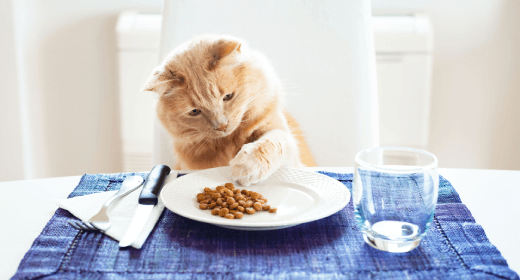
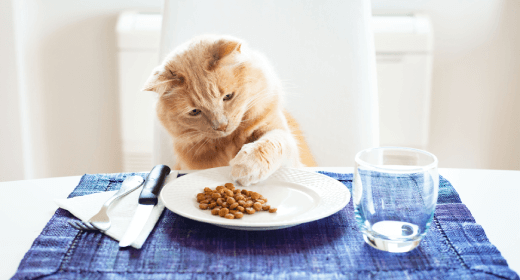
Most owners understand that protein is one of the key nutrients that cats need to thrive and stay healthy, but what many may not fully realize is just how important it is for their long-term wellbeing. Protein is a cat’s primary energy source, and cats need more protein than other domestic animals like dogs and even people. In order to fuel their bodies and nervous systems, cats require more than 50% of their dietary calories to come from protein.
Cats then break the protein down into 11 specific amino acids, which are also known as essential amino acids, which are not found in cats’ natural systems. These essential amino acids are the building blocks that create new proteins and make glucose for energy. On the other hand, amino acids that are found within cats’ natural systems are called non-essential amino acids, and these are not required in a cat’s diet.
A cat’s diet requires animal protein that contains all the essential amino acids that cats need but are not found in plant proteins. This aligns with the understanding that cats are obligate omnivores, needing meat-based protein to survive.
The slightest deficiencies in any of the essential amino acids can lead to serious health problems for cats. For instance, taurine deficiency can cause a host of problems such as blindness, inadequate immune response, poor growth and poor reproductive function.
Another essential amino acid, arginine, is important to remove ammonia from the cat’s body through urine. Without sufficient arginine content in a cat’s diet, ammonia can build up in the bloodstream, which is toxic for the cat. Additionally, the essential amino acid histidine, is a structural protein that acts as a precursor to a number of neurological compounds such as histamine. Histidine deficiency can result in weight loss, refusal to eat, and may result in cataracts.
Cats can consume their dietary protein and obtain their essential amino acids through animal products like chicken and fish. Chicken has one of the highest biological values of all the meats, making it an excellent protein source for cats. It is also a good source of tryptophan, calcium, potassium, and vitamin B6. Fish is also a highly digestible protein source, and fish like salmon can provide cats with important omega-3 fatty acids.
While natural food options that somewhat fulfil a cat’s protein needs are available, owners these days go the extra mile to deep-dive into research to ensure better lives for their cats. Besides relying on online sources like the Internet, cat owners are also seeking more counsel from vets about their beloved cats’ needs, while also becoming more selective in their decisions and detailed in their questions, which is very encouraging to see as a vet. With this spirit, owners can better understand that their cats require adequate protein to stay healthy.
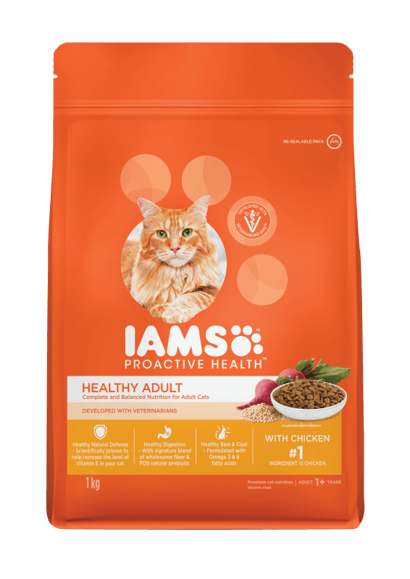
Along with veterinary guidance, owners are on the look-out for food solutions that contain all the essential protein contents in one place. We are finding that they are increasingly turning to products like IAMS products, which contain protein necessary for a variety of needs, such maintaining a healthy coat, strong muscles, and good digestion. With IAMS products, cats can get their protein needs from chicken with IAMS Healthy Adult with Chicken, with real chicken as its main ingredient, and from fish with IAMS Healthy Adult with Ocean Fish, with real fish as its main ingredient, both aiding in healthy digestion, skin and coat, teeth, and muscles, to name a few.
Owners must ensure that their cats’ diets provide complete and balanced nutrition, a key component of which is adequate protein. This can be achieved through consulting with vets, researching good protein sources, and sharing knowledge with fellow cat owners, among others. With such a concerted effort, cat owners can be assured about keeping their cats as healthy and happy for as long as possible.