Enter a keyword below to search for articles and products.
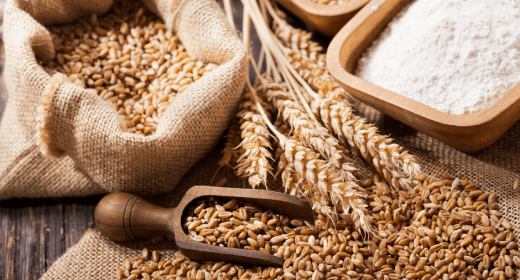
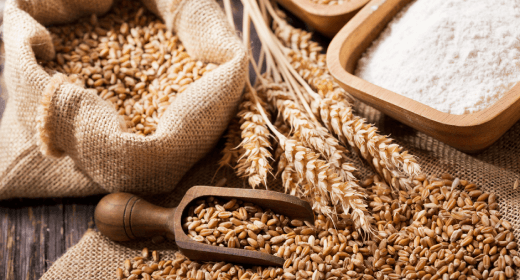
Wheatgrass is the fresh shoots of the wheat plant harvested before the grain sprouts. Although unusual, it is a common meal component for cats. Wheatgrass is rich in protein, carotene, and vitamins A, E, and C, making it an added source of nutrition for cats. Cats often nibble on wheatgrass and leafy greens to improve their digestion as fibres present in these plants aid in smoother bowel movement. However, it is important to ensure that your cat only feeds on organic and pesticide-free wheatgrass.
Generally, all cats that are not allergic to wheatgrass can easily digest and benefit from its nutritional value of it. Wheatgrass for cats is a good source of vitamins, protein, and other essential nutrients. The fibre and selenium help in improving the cat’s gut health. However, you should identify if your kitty is allergic to wheatgrass before letting it nibble on wheatgrass. The following are some signs that will help you identify if your cat is allergic to wheatgrass:
Even if your cat is not allergic to wheatgrass, you must limit its consumption to less than 10% of its total caloric consumption. Wheat for cats is best served every alternate day instead of daily.
While everyone knows wheatgrass for cats is beneficial for digestion, there are various other benefits of wheatgrass as well. The following are some of the many benefits of wheatgrass for cats:
While there are many advantages of wheatgrass and wheat for cats, there are a few considerations and disadvantages as well. Some of the demerits of excessive munching on wheatgrass for cats are as follows:
Most cat parents have a hard time differentiating between cat grass and wheatgrass. If you are one of them, fret not. We will understand the difference between the two in this section.
Cat food brands often market wheatgrass as cat grass. However, you must note that cat grass can be any grass, from barley and oats to wheatgrass and fescue. So, if you see a pack of cat food that says cat grass, check its label. Moreover, ensure that you opt for brands that use organic ingredients.
Now that you know of the benefits of wheatgrass for cats, you can start adding the regulated amount of wheatgrass to their diet. Please consult a veterinarian before deciding to serve wheat or wheatgrass to your feline friend.
If your cat has been munching on wheatgrass or grass more than usual, it might be facing some gastrointestinal issues. It is best to consult a veterinarian to ensure their physical well-being.
Yes, cats can digest baked or cooked wheat products and wheat bran.
Total consumption of wheatgrass for cats should limit to 10% or lesser of their total caloric diet.
Yes, wheatgrass improves indoor cats’ vision, immunity, and oral as well as gastrointestinal health, and helps keep their weight in check.
Cat grass are cereal grasses that cats much on. Wheatgrass is a type of cat grass.
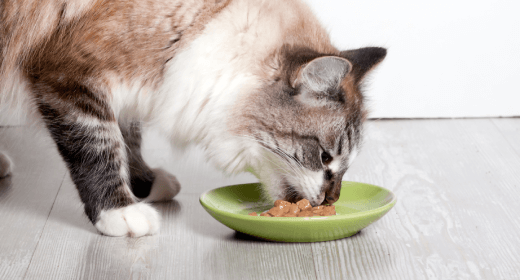
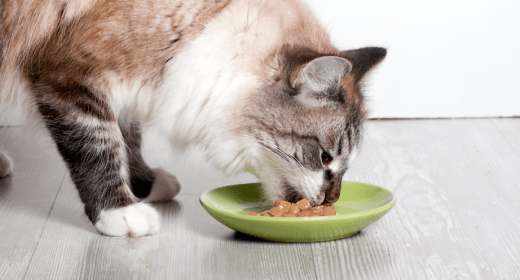
IAMS Cat Food offers chicken as number 1 source to build up cat’s nutrition and immunity
Author: Dr. Cissy Ramos
To help owners better maintain the health and development of their cats, IAMS has developed a line that is uniquely tailored for cats’ needs and has chicken as its number one ingredient. IAMS Cat food includes Taurine as an additional supplement for natural variability and production process.
A study conducted by WALTHAM Centre for Pet Nutrition reports that cats prefer food that is similar to their natural prey such as mice or birds. Likewise, the evolutionary ancestors of cats did not consume fish.
Cats are considered as strict carnivores and they’re still highly related to their ancestors. Their teeth and skull conformation are actually designed to hunt and kill prey efficiently.
In fact, cats are obligate carnivores and they eat meat out of biological necessity. The same study also found that 52% of a cat's calorie intake is from protein, which can be synthesized best through animal-based protein. Therefore, cats require quality protein sources to be included in their diet for sustenance.
Animal-based protein can help cats maintain healthy muscle structures and provide them with natural forms of amino acids. Adding certain sources of protein, especially animal sources, cats can easily process it, break it down, and use it up in their body. Animal sources proteins like chicken can greatly contribute to the quality of protein in their diet and they do get appropriate amount of essential amino acids from it.
In total, cats can internally produce 11 essential amino acids. However, the remaining 11 categories of amino acids can only be provided through a nutritious diet to meet their needs. When you have good quality protein, the cat can receive a good amount of amino acids that are important for its health. The protein from chicken contains multiple levels of essential amino acids, such as Lysine, Phenylalanine, Arginine, and Taurine.
Cats can get a great amount of Lysine from chicken. If there is deficiency in Lysine, the side effects would be low appetite and depression for cats.
Another crucial essential amino acid for cats would be Phenylalanine. If cats have a low amount of Phenylalanine, there are instances that black cats can turn into brown cats because Phenylalanine is in charge of production of melanin for cats. It’s not just for the coloring but that’s the most obvious sign that there’s a deficiency.
Cats need more Taurine compared to other mammals as it supports excellent eyesight. We know for a fact that cats are hunters, and they need good eyesight for that.
Taurine, an especially essential amino acid for cats, is a critical component that supports heart muscle function, vision, digestion, and fetal development. The recommendation of Taurine for cats is around 35 to 55 milligrams of Taurine per kilogram per day. In fact, low levels of Taurine in kittens can lead to blindness, heart failure, congenital defects, and poor immune response.
It is necessary for cat owners to choose a diet that is made by a trusted brand like IAMS: palatable, complete, balanced, contains high quality protein, and enriched with amino acids. This will play a key role for the proper development and normal functioning of cats and enhance their wellness.
The importance of considering the life stage of cats when feeding them is also crucial for cat’s nutrition. With this, IAMS food products offer different varieties of cat foods–dry or wet and for each life stage. For each life stage, there are specific recommendations for the amount to feed and the levels of nutrients that they need.
IAMS cat food is formulated with colostrum and contains DHA found in mother’s milk for kittens cognition, as well as a signature blend of wholesome fiber and FOS natural prebiotic for healthy digestion. IAMS is scientifically proven to help increase the level of Vitamin E in your cat for healthy natural defense.
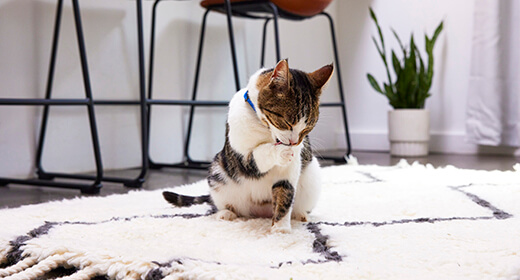
In addition, IAMS food products can help address specific health concerns in cats. Cats habitually groom themselves and have a tendency to ingest their fur. Of course, the risk of hairball formation is much higher for long-haired cats. Additionally, indoor cats tend to be obese due to overfeeding, inactivity, or sometimes it is simply caused by genetics.
IAMS offers hairball formula which cater to cats in order to reduce the passage of hair in the cat’s digestive tract. . IAMS also offers cat food that is specifically designed for weight management for cats who are obese.
Having protein in your cat’s diet is vital for its overall health and long-term wellbeing. For more information about IAMS Cat visit https://iams.asia/ph. IAMS Cats is available at all leading supermarkets and grocery stores nationwide.