IAMS PH
Why Is Fiber in Your Dog's Food?

adp_description_block388
Importance of Fiber in Dog Food

  • Share

Your pooch’s diet defines its overall health and well-being. What it eats contributes to the amount of energy it has throughout the day. As a caregiver, it becomes your responsibility to provide the correct amount of nutrition and nourishment to your fur baby. Understanding the various components of your pet’s diet helps in providing them with the right nourishment.
 

Although everyone knows dogs need protein, carbohydrates, fat, vitamins, and minerals; did you know your canine friend also requires fiber in their diet? Even though fiber is not completely digestible it is an essential part of your pooch’s diet. High-fiber dog food aids in better digestion and bowel movement. Soluble fiber for dogs helps them in absorbing water. This type of fiber then gets fermented in their intestines to release fatty acids for better gut health. Other than soluble fiber, dogs also require insoluble fiber for better water absorption and digestion.
 

Benefits of high fiber dog food

Fiber in dog food helps the dogs digest their food better. Proper digestion equates to better bowel movement and good gut and gastrointestinal health. Your canine friend’s food should contain at least 2-4% fiber to assist their gut health’s growth and development. Besides, fiber for dogs acts as an absorbing substance that collects excess water and acids. Given below are a few other benefits of fiber for dogs.

  • Useful for treating constipation and diarrhea: Apart from absorbing extra water and acid, the insoluble fiber also helps in cleaning your pet’s gut tract. This makes their bowel movement better. Consuming the right amount of fiber also helps maintain your dog’s anal gland issues. Smaller breeds of dogs are more likely to suffer from these issues. The fiber in dog food makes it easier for stool to pass smoothly without any added effort. Hence, reducing the chances of your pet developing gastrointestinal and anal gland illnesses.
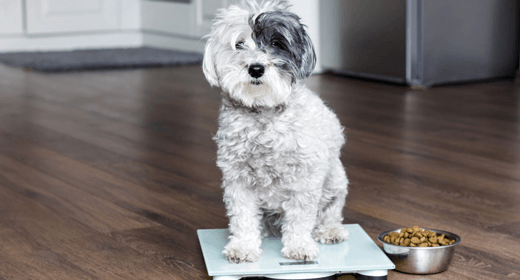
  • Weight management: Many breeds of dogs are meant for outdoor life; the lack of proper activity may lead to obesity in such breeds. Pet caregivers often worry about their fur baby being overweight because of the countless hours spent indoors with little to no activity. In such cases, high-fiber dog food is suggested alongside regular walks and playtime to manage the pooch’s weight. The fiber allows your fur baby to digest more food and aid in controlling its calorie intake.
  • Manages blood-sugar levels: Some types of fiber are slow to digest. This helps in maintaining blood sugar levels in dogs. Slow digestion of fiber stops sudden rise in blood sugar levels. Dogs that consume high-fiber dog food often have lower blood-sugar fluctuations and hence have lesser chances of suffering from diabetes

Is too much fiber bad for dogs?

On average dogs need only 2-4% fiber in their daily diet. Anything beyond this measure can be considered excessive fiber consumption for dogs. While fiber is needed for better gut and gastrointestinal health, too much fiber for dogs can be a topic of concern. Given below are a few issues that may occur because of excessive fiber consumption.

  • Gas: Fiber is not completely digestible. Hence, even though limited consumption of fiber helps in eliminating gut-related problems, too much fiber can lead to gastrointestinal problems and increase gas and acidity issues.
  • Diarrhea: While soluble fiber manages water content in the body, insoluble fiber can lead to digestive issues when consumed in excess. Frequent urge to pass stool and diarrhea are some known side effects of consuming too much fiber.

Even if is fiber bad for dogs is a common query, the conclusion is fiber is needed for better digestion and gut health of your pooch. However, excess fiber consumption can lead to certain stomach and gut-related issues, while eating little to no fiber is also not a good choice. Avoiding fiber altogether can lead to the anal gland diseases and gut illness. Hence, as a pet parent, you must ensure your canine friend is provided with the right amount of fiber in their daily diet. Besides fiber dogs also need adequate amounts of protein, carbohydrates, and fat in their diet for consistent growth and development.

Frequently asked questions

  1. Is fiber good for dogs?
  2. Yes, dogs need some amount of fiber in their diet to digest their food and absorb excess water.

  3. How much fiber should dog food have?
  4. On average dogs need to consume at least 2-4% fiber per meal. While their daily fiber consumption should not be anything more than 10%.

  5. What happens if a dog eats too much fiber?
  6. As fiber is not completely digestible, consuming too much fiber can lead to diarrhea and gas issues in dogs.

  7. Does fiber make dogs poop more?
  8. Yes, fiber consumption can increase your pet’s urge to poop or make them poop more as fiber helps in removing excess water, acid, and other undigested components from your pet’s body.
  • How to teach your dog to stop barking
    How to teach your dog to stop barking
    adp_description_block16
    How to Stop a Dog from Barking?

    • Share

    Barking is your dog’s way of communicating. We often observe dogs barking at people and things to grab attention. It is a normal dog behaviour that is often a reflex for expressing emotions related to anxiety, aggression, or boredom. Different types of barks emote different moods and feelings of the dog. Dogs also bark to stop others from entering their territory.
     

    Even though dogs bark to communicate their emotions, excessive barking can cause disturbance to pet parents. In such situations, pet caregivers often look for ways to teach barking on command to their fur babies. If you too want to learn how to stop a dog from barking in the right manner, then read the following.
     

    How to teach your dog to stop barking

    Dogs often bark to claim territory, express emotions, and communicate with others. However, sometimes, dogs might not know how to control their barking habits. Teaching your pooch to stop barking unnecessarily makes them calmer by sharpening their natural instincts. While barking is a norm for dogs, barking on command is a skill that you easily teach your fur baby. Follow the below points to learn how to teach your dog to stop barking.

    • Teach commands: With patience, persistence, and practice, you teach your dog to control its barking habits. It is easy to stop your dog from barking with a little effort. Training dogs to follow commands related to barking is beneficial in managing this dog behavior. You need to start by teaching your furry friend to follow commands by training them regularly.

    The following are a few things you can try to teach your dog to stop barking on command:

    • Try to calm the dog by using affirmative words. Using calming words and actions can help reduce anxiety and stress in dogs. Once they relax, you can pet them a little to stop them from barking completely.
    • You can also use commands for sitting to relax your fur baby. Most dogs bark when they get territorial or anxious. Using commands for sitting can work as a reassurance that can help them calm down. If the dog is barking out of fright or anxiety, you should try to use words of praise and encourage it to relax.
    • You can also use certain words like ‘stop, ‘relax’ and ‘calm down’ to signal the pooch to stop barking. However, to teach them to do so, you must use the commanding word every time they bark.
    • Offer treats: Another effective way to teach your dog to stop barking is by offering them their favourite treats. Most dogs have ADHD, which means it is very easy to distract them. If the dog is distressed and won’t stop barking, you should try to calm it down by offering its favourite treat. Simply try to grab their attention by showing them a treat. However, avoid offering the treat directly. Once you have the pooch’s attention, command them to stop barking and treat them only once they listen to you. Follow this method regularly to eventually teach your canine friend to stop barking simply on receiving a treat.
    • Distract with favourite toys: Dogs can also be distracted by their favourite toys. Simply show the pet its favourite toy the next time they start barking. You can also ask them to fetch a ball or start playing with them to distract them from barking.
    • Console and praise: Sometimes dogs bark to warn or grab your attention towards something that is genuinely bothering them. Hence, it is always better to first try to analyse why the pooch is barking before trying to stop them from barking. Pay attention towards the dog’s body language and mannerisms when it barks. If it is barking towards a direction, you can check in that direction to see if there is something that might be alarming. Paying attention towards your pet’s barks and trying to console it with words of praise will not only calm it but will also subside its anxiety and fright.

    Though these tricks will train your canine companion to control its barking habits, you must know that barking is a reflex instinct for dogs. Hence, it is imperative to stay consistent and regular when training a dog. It often takes time for dogs to learn commands and control their instinct to bark. However, with regular practice and consistent effort, you can eventually stop your dog from barking at will.

Close modal