IAMS PH
Your Dog’s Health, from 1 to 8 Years

adp_description_block94
Adult Dogs Health Care Guide

  • Share

Just like humans, dogs too need constant care and support throughout their lifetime. We all know puppies need more attention and care; however, did you know? Adult dog health is also equally important. In fact, dogs’ health is the primary responsibility of every pet parent. Providing the right nutrition and health care largely contributes to your pooch’s health. Keeping the four-legged angel away from the harmful pathogens, germs, and unhygienic surroundings is also a prime responsibility of every caregiver. A dog’s behavior, mood, and diet can say a lot about its baby’s health and fitness. Hence, as a dog parent, you must keep a close eye on your pet’s behavioral changes.
 

Signs of a healthy dog

There are many signs that help pet caregivers keep a tab on their canine companion’s health. Given below are a few signs to look for to understand your dog’s health and fitness status:

  • Shiny fur: Your pooch’s fur gives you direct insight into its health. You can easily identify a dog’s health with a single glance at its fur. A glossy, shiny fur with no parasites or bald spots is considered healthy. However, you must know that a certain degree of shedding is considered normal in some breeds.
  • Bright eyes: Another sign of a healthy dog is bright, shiny eyes. If your dog’s eyes are perfectly bright and have no issues of discharge or watering, it is considered a healthy sign.
  • Smooth skin: You should constantly check your fur baby’s skin alongside glancing over their fur. Your pet’s skin should ideally be free of any scratches, rashes, growth, and redness.
  • Clean ears: Another sign of a healthy adult dog are clean ears. Your dog’s ears should have no discharge, wax, or swelling as they could be a sign of an ear infection.
  • Temperature: 101°F to 102.5°F is the average normal body temperature for dogs. Your pooch’s health might be at risk in case of low or high temperature. Hence, you should constantly record their body temperature to ensure they are fit and fine.
  • Oral health: Adult dog health is also linked to gum, teeth, and mouth hygiene. Signs of healthy oral health in dogs include strong teeth, pink and normal gums, and no foul smell.
  • Normal stool: A healthy dog will not have any issues passing stool or urinating. You should constantly check your dog’s stool to look for signs of constipation and diarrhea. Signs of parasites and worms in stool can also be symptoms of an unhealthy dog.

Signs of a sick dog

Knowing about the symptoms of a sick dog helps caregivers identify and treat their pooch’s medical condition in time. Given below are a few signs and symptoms that might help you recognize any dog illness:

  • Loss of appetite: If you notice your pooch eating lesser or not being as enthusiastic about treats and mealtime, then there could be a potential health concern. Loss of appetite could be linked to stomach issues, gastrointestinal issues, or other illnesses.
  • Cough: Constant sneezing and coughing are signs of flu. Even though most adult dogs recover from flu within a few weeks, they can sometimes develop other bacterial infections. Hence, it is better to get them treated at the earliest to avoid such concerns.
  • Pain: If you notice your pet frequently chewing on their joints, limping, or whimpering, then they could be suffering from some sort of pain. Visit a vet at the earliest to get the issue diagnosed and start the necessary treatment.
  • Irritation: Constant irritation, aggression, and uncalled change in behavior is other signs of undiagnosed illness in dogs. Unlike humans, dogs cannot express their feelings in words. Hence, you need to pay close attention to their behavior to understand their complaints and concerns. Visible signs of irritation, barking, and sometimes lethargy could also be considered a sign of illness in adult dogs.
  • Diarrhea and vomiting: Dogs often vomit or pass stool when suffering from an upset stomach. Watery stool and constant urge to pee or pass stool are a few known signs of potential illness in dogs. If you notice your pet vomiting or suffering from diarrhea, you should consult a vet at the earliest.

Maintaining your pet’s health is an essential part of caring for them. Visiting a vet is necessary for getting your pooch vaccinated and regularly checked. Veterinarian doctors also prepare diet charts and suggest health supplements for your dog depending on its health requirements. In conclusion, looking for signs of sickness and constantly inspecting your dog's physical and psychological well-being ensures that your furry friend is hale and hearty.

Frequently asked questions

  1. What are some common dog’s health issues?
  2. Heartworms, canine influenza, parasites, and leptospirosis are some common health issues faced by dogs.

  3. How do I know if my dog is healthy?
  4. If your dog shows no signs or symptoms of illness, eats well, rests enough, and is in a pleasant mood on most days, then your dog is more likely to be healthy.

  5. What are the signs of a healthy dog?
  6. A clean, shiny coat, healthy pink gum, smooth skin, and normal body temperature are a few signs of a healthy dog.
  • Why Do Dogs Lick People?
    Why Do Dogs Lick People?
    adp_description_block395
    Why Do Dogs Lick You? Common Reasons and Indications

    • Share

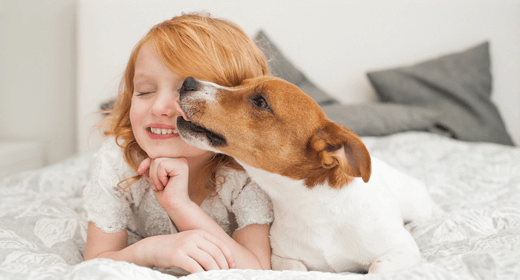
    There’s no doubt that dogs are affectionate creatures. And they have numerous ways of showing it. One of these ways is by licking their owners. You may enjoy it when your furry friend comes up and gives you a big ol’ pooch smooch.  But why do dogs lick you? In a poll* of dog owners, IAMS™ found a large majority (75%) believe dogs lick people to offer signs of friendliness. That’s definitely a correct assumption. Let’s dive a bit deeper for a better understanding. 


    Licking has been a social behavior among dogs since the days of the great-great-great granddaddy wolf. 'It’s a standard canine greeting to lick others around the face,” agrees James Serpell, B.S., Ph.D., Professor of Humane Ethics & Animal Welfare at the University of Pennsylvania School of Veterinary Medicine. “Junior members of the pack will run around and lick the mouths of more senior members.” But is that all that there is to dog licking behavior? Or are there more reasons why dogs lick people? Let’s find out!


    Why do dogs lick people?


    Here are a few reasons that can explain why dogs like to lick.  


    • It’s their way of showing affection

      For dogs, licking is equivalent to kissing or showing affection. You may have noticed female dogs licking their puppies which is a behavior that is intended to show affection. And your dog considers you part of their pack, so they show you affection the same way their kind does - by licking.

    • You taste great… or at least interesting

      Dogs are oral creatures and gather a lot of information about their surroundings through taste and smell. Maybe you’re salty after a sweaty run. Maybe you’ve got barbecue sauce on your face. “Dogs can smell a lot better than we can,” says Dr. Jo Gale, BVetMed CertLAS MRCVS, Senior Manager, Global Science Advocacy at Waltham Petcare Science Institute, “so they find a lot more things interesting to lick than we can.” This is despite the fact that dogs only have about 1,700 taste buds compared to around 9,000 in humans.

    • They want your attention

      Have you been too busy with work lately? Or has anything kept you inattentive toward your pooch? If so, it’s probably one of the reasons why your dog is licking you. It is also possible that your dog just got too bored and wants you to play with them, which is why they’re suddenly licking you.

    • They have OCD

      That’s true. Much like humans, dogs can also suffer from obsessive-compulsive disorder, which can be concerning. It is often triggered due to stress and anxiety and makes the dogs suddenly begin licking. You will need to visit your vet if you suspect this to be the case. 


    Why is my dog licking my wounds?

    Unlike humans, no other animals have knowledge about or access to proper healthcare. So, when they get injured, their first instinct is to lick their wounds. This helps them numb the pain to a certain extent, and also clean the wound. Thus, when your dog sees a wound on you, their natural instincts kick in and they try to help you by licking the wound, thinking it will clean the wound and lower the pain.


    In fact, in ancient Greece, dogs at the shrine of Asclepius were trained to lick patients. In the Middle Ages, Saint Roch was said to have been cured of a plague of sores through his dog’s licking. The French even have a saying, “langue de chien, langue de médecin,” which translates to, “a dog’s tongue, a doctor’s tongue.”


    Don’t cancel your health insurance just yet. While a dog’s saliva does have some possible bactericidal properties against some types of bacteria, it can put you at risk of exposure to others. Too much licking can also reopen the wound and cause further infection. With modern medicine, you’re much better off hitting the first-aid kit. And that myth about dogs’ mouths being cleaner than humans’? Not true — both contain over 600 types of bacteria. 


    How to handle a dog that licks too much?

    While an occasional canine kiss is “aww”-inducing, some dogs can overdo it to the point of annoyance. When this happens, the best thing to do is “completely ignore it and give no attention,” suggests Dr. Jo Gale. “When they stop, provide them with attention.” This acts as a form of positive reinforcement. Over time your dog will learn to scale back on the smooches. Another thing you can try is training them to cut back on the licking. Remember to use positive reinforcement in this case too - reward them with treats or toys when they display good behavior.


Close modal