IAMS PH
Your Dog’s Health, from 1 to 8 Years

adp_description_block166
Adult Dogs Health Care Guide

  • Share

Just like humans, dogs too need constant care and support throughout their lifetime. We all know puppies need more attention and care; however, did you know? Adult dog health is also equally important. In fact, dogs’ health is the primary responsibility of every pet parent. Providing the right nutrition and health care largely contributes to your pooch’s health. Keeping the four-legged angel away from the harmful pathogens, germs, and unhygienic surroundings is also a prime responsibility of every caregiver. A dog’s behavior, mood, and diet can say a lot about its baby’s health and fitness. Hence, as a dog parent, you must keep a close eye on your pet’s behavioral changes.
 

Signs of a healthy dog

There are many signs that help pet caregivers keep a tab on their canine companion’s health. Given below are a few signs to look for to understand your dog’s health and fitness status:

  • Shiny fur: Your pooch’s fur gives you direct insight into its health. You can easily identify a dog’s health with a single glance at its fur. A glossy, shiny fur with no parasites or bald spots is considered healthy. However, you must know that a certain degree of shedding is considered normal in some breeds.
  • Bright eyes: Another sign of a healthy dog is bright, shiny eyes. If your dog’s eyes are perfectly bright and have no issues of discharge or watering, it is considered a healthy sign.
  • Smooth skin: You should constantly check your fur baby’s skin alongside glancing over their fur. Your pet’s skin should ideally be free of any scratches, rashes, growth, and redness.
  • Clean ears: Another sign of a healthy adult dog are clean ears. Your dog’s ears should have no discharge, wax, or swelling as they could be a sign of an ear infection.
  • Temperature: 101°F to 102.5°F is the average normal body temperature for dogs. Your pooch’s health might be at risk in case of low or high temperature. Hence, you should constantly record their body temperature to ensure they are fit and fine.
  • Oral health: Adult dog health is also linked to gum, teeth, and mouth hygiene. Signs of healthy oral health in dogs include strong teeth, pink and normal gums, and no foul smell.
  • Normal stool: A healthy dog will not have any issues passing stool or urinating. You should constantly check your dog’s stool to look for signs of constipation and diarrhea. Signs of parasites and worms in stool can also be symptoms of an unhealthy dog.

Signs of a sick dog

Knowing about the symptoms of a sick dog helps caregivers identify and treat their pooch’s medical condition in time. Given below are a few signs and symptoms that might help you recognize any dog illness:

  • Loss of appetite: If you notice your pooch eating lesser or not being as enthusiastic about treats and mealtime, then there could be a potential health concern. Loss of appetite could be linked to stomach issues, gastrointestinal issues, or other illnesses.
  • Cough: Constant sneezing and coughing are signs of flu. Even though most adult dogs recover from flu within a few weeks, they can sometimes develop other bacterial infections. Hence, it is better to get them treated at the earliest to avoid such concerns.
  • Pain: If you notice your pet frequently chewing on their joints, limping, or whimpering, then they could be suffering from some sort of pain. Visit a vet at the earliest to get the issue diagnosed and start the necessary treatment.
  • Irritation: Constant irritation, aggression, and uncalled change in behavior is other signs of undiagnosed illness in dogs. Unlike humans, dogs cannot express their feelings in words. Hence, you need to pay close attention to their behavior to understand their complaints and concerns. Visible signs of irritation, barking, and sometimes lethargy could also be considered a sign of illness in adult dogs.
  • Diarrhea and vomiting: Dogs often vomit or pass stool when suffering from an upset stomach. Watery stool and constant urge to pee or pass stool are a few known signs of potential illness in dogs. If you notice your pet vomiting or suffering from diarrhea, you should consult a vet at the earliest.

Maintaining your pet’s health is an essential part of caring for them. Visiting a vet is necessary for getting your pooch vaccinated and regularly checked. Veterinarian doctors also prepare diet charts and suggest health supplements for your dog depending on its health requirements. In conclusion, looking for signs of sickness and constantly inspecting your dog's physical and psychological well-being ensures that your furry friend is hale and hearty.

Frequently asked questions

  1. What are some common dog’s health issues?
  2. Heartworms, canine influenza, parasites, and leptospirosis are some common health issues faced by dogs.

  3. How do I know if my dog is healthy?
  4. If your dog shows no signs or symptoms of illness, eats well, rests enough, and is in a pleasant mood on most days, then your dog is more likely to be healthy.

  5. What are the signs of a healthy dog?
  6. A clean, shiny coat, healthy pink gum, smooth skin, and normal body temperature are a few signs of a healthy dog.
  • How Much Exercise Does My Dog Need?
    How Much Exercise Does My Dog Need?
    adp_description_block285
    How Much Exercise Does My Dog Need?

    • Share

    Calling all dog parents! Let’s start with some burning questions: Are you a newbie owner? Is your pooch packing on a few extra pounds? Are they bored? Or treating your loafers like chew toys?
     

    One word: EXERCISE. It’s vital for a healthy, non-problem-child pooch. (And it can be good for your BMI, too!)

    Your dog’s breed and age are the two factors that determine how much exercise they need. Check out these tips to be sure your pooch is getting the right amount of physical activity every day.


    Start with Your Dog’s Breed Group

    Your dog’s breed group helps determine their exercise needs.
     

    Sporting group dogs are energetic, natural athletes who should get approximately 90 minutes of high-intensity exercise. They enjoy long, brisk walks, hikes in the woods, swimming and playing fetch.


    Examples: Retrievers, pointers, setters and spaniels

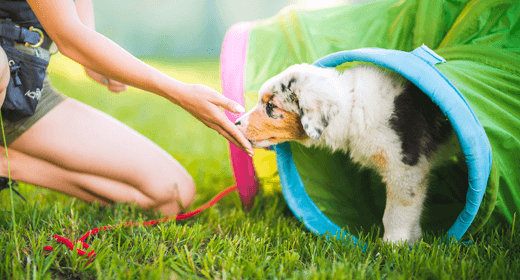
    Blue-collar pooches in the working group are happiest when they have a job to do. They need about one to two hours of fun, pant-inducing activity every day. Take them for long walks or hikes, or create a homemade agility course in your backyard.


    Examples: Boxers, Alaskan malamutes, Rottweilers and Siberian huskies

    Sixty to 90 minutes of vigorous exercise and play daily? That’s what most high-IQ, high-energy herding group dogs need. You can’t go wrong with activities that challenge them physically and mentally, like long power walks and fun games like fetch, chase and Frisbee.


    Examples: Shepherds, collies and sheepdogs

    Sight hound dogs need roughly 30 minutes of regular exercise, and scent hound dogs should get about one hour of intense exercise. Take sight hounds on walks or have them do a couple of sprint workouts each week. Scent hounds need longer periods of vigorous activity and love hiking, jogging or playing tracking games in the woods. (Shocking, we know.)


    Examples: Afghan hounds, greyhounds, whippets, beagles, bloodhounds and basset hounds

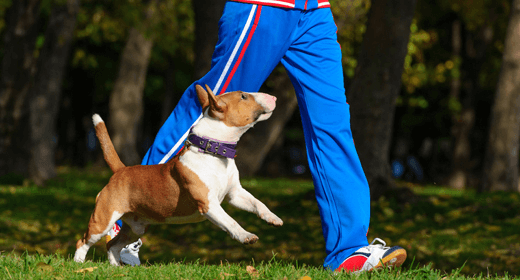
    Short-legged terrier group breeds need about 30 minutes of exercise every day, while their longer-legged counterparts need one hour or more. Ideal exercises include fast-paced walks, hikes in the forest and chasing their favorite squeaky ball in the backyard or park.


    Examples: Jack Russell terriers, West Highland white terriers (Westies), Yorkshire terriers (Yorkies) and schnauzers

    Most petite pups in the toy group are lap dogs, but they should still get approximately 30 to 60 minutes of moderate exercise — they tend to get too husky when they don’t get proper workouts. Plus, toy dogs can really get their hearts pumping in a small area, so consider complementing your daily walks with indoor dog exercise.


    Examples: Chihuahuas, Pomeranians and Maltese
     

    here are a ton of different breeds in the nonsporting group, so start with 30 minutes of daily exercise and adjust. Each breed’s exercise needs are unique, and short-nosed dogs, like bulldogs and Shih Tzus, should only have short periods of moderate activity.


    Examples: Dalmatians, bulldogs, chow chows and poodles

    If you’re the proud parent of a mutt who’s mushed your heart, just follow the exercise suggestions for the most dominant breed or two. (Or ask your vet!)


    Factor in Your Dog’s Age

    When figuring out how to exercise with your dog, consider your dog’s age. Each stage has unique exercise requirements.


    Puppy Exercise Needs

    Puppies are balls of energy that do best with short bursts of exercise. (Think zoomies in the backyard.) The best activities are short, easy walks, a few play sessions throughout the day and, of course, obedience training. Avoid long walks and running because they can be too hard on your pup’s growing bones and joints.


    Adult Dog Exercise Needs

    Healthy adult dogs can do just about anything! Whether it’s walking, running, hiking, swimming, or playing tug-of-war or fetch, they’ll be getting the exercise they need to stay healthy and happy — plus they’ll enjoy spending time with you.


    Senior Dog Exercise Needs

    Although your senior dog might move at a slightly slower pace than before, they still need exercise and playtime. You may want to shorten walks and fetch time, though, and do other low-impact activities like learning new tricks.


    Fuel Your Dog Every Day

    Finally, make sure your dog is properly fueled for their next workout. Feed them high-quality, nutritionally balanced IAMS™ food that’s tailored for their unique size and life stage.

    How Much Exercise Does My Dog Need?
    How Much Exercise Does My Dog Need?
    How Much Exercise Does My Dog Need?
    How Much Exercise Does My Dog Need?
    How Much Exercise Does My Dog Need?
    How Much Exercise Does My Dog Need?
    How Much Exercise Does My Dog Need?
    How Much Exercise Does My Dog Need?
Close modal