IAMS PH
How Often Should a Puppy Go to The Vet?

adp_description_block470
How Often Should a Puppy Go to The Vet?

  • Share

Bringing a new furry friend home is one of the most exciting things you will experience. And as a pet parent, the first thing you need to do is lay down a puppy vet care plan. Hence, it is essential that you take your new, little pet for a general check-up within the first week of bringing it home. During this vet visit, you can learn about your dog’s vaccination schedule, nutritional requirement, training needs, and more. It is crucial to seek professional medical advice to make sure that you do not overlook any aspects that may need immediate attention. If you are not sure why and when you need a vet for your dog, this article is for you. It gives you a gist on how often you should visit your vet, vaccinations, annual check-ups, and more.
 

How often should I take my puppy to the vet?

A veterinarian is going to help you keep your floofy healthy and in check. A puppy, just like a senior dog, will require more attention. So, if you are wondering how often a puppy should go to a vet, here’s your answer: once every 3-4 weeks. If your puppy requires special attention, your veterinarian will recommend frequent follow-ups. If this is your pup’s first vet visit, contact the breeder for information on vaccination and any other medical history. If you have a rescue pup, let your vet know. It will help your doctor assess your pup’s case better.

Moreover, take your puppy to the doctor immediately if you notice any of the following issues:

  • Eye injuries 
  • Hives 
  • Open wounds 
  • Seizures 
  • Fainting 
  • Bite marks 
  • Trouble breathing 
  • Sudden changes in body temperature 
  • Vomiting 
  • Diarrhea 
  • Any kind of pain

Note: Even if your dog comes with a documentation of up-to-date vaccination shots, you should take it to the vet at least once to get a green signal.
 

Annual check-ups

We humans visit our family doctors at least once a year even if we do not exhibit any symptoms. Similarly, even your fur baby needs to be taken to the vet once a year for annual vaccination and a general medical check-up  The vet will check your baby’s heart, lungs, ears, eyes, look for any abnormal growth, and do other basic tests. 

Based on the medical examination, your vet may recommend certain dietary changes, physical activities, and a dental care routine. Follow their recommendations religiously to improve your puppy’s health! Here are a few things you can carry during your dog’s yearly appointment: 

  • Any supplements or medications consumed by your dog
  • Medical reports 
  • A list of questions
     

What is the ideal age for puppies to get vaccinated?

Puppies are born with some immunity passed on to them by their mothers. However, they start losing their inherited immunity once they turn 6 to 8 weeks old. Therefore, it becomes imperative that you start vaccinating your puppy around that time. Their innate habit of sniffing and licking everything that strikes their fancy exposes dogs to a plethora of diseases. Thankfully, a vaccination plan can shield them against fatal viruses and diseases. Vaccine shots are administered when puppies turn 6-8 weeks old, and they are repeated every 2-4 weeks until the puppy is 16 weeks of age or older. Sometimes, a vet may recommend an earlier vaccination regimen, starting at 4 weeks of age in the face of an outbreak or when the mother has an unknown vaccination history. You can ask your vet for a vaccination schedule customized for your puppy.
 

Different types of vaccines administered to a dog

As kids, we were inoculated against several health issues with different types of vaccination. Similarly, your dog too needs to be vaccinated against multiple diseases such as rabies, distemper, hepatitis, etc. So, Let’s take a look at the types of vaccines commonly administered to your dog:

  • Canine Parvovirus
  • Canine Distemper Virus
  • Canine Adenovirus
  • Rabies
  • Parainfluenza Virus
  • Coronavirus
  • Bordetella bronchiseptica
  • Leptospirosis

The above vaccines may come in different combinations; hence, consult your vet and get a proper understanding of


Frequently asked questions

  1. How often should puppies go to the vet?
  2. During the first year, your puppy will visit its vet frequently to get vaccination shots. Once your dog is fully vaccinated, you can consult your vet as and when required. However, do not forget to go for annual vet examinations to rule out serious health problems.

  3. Puppies first vet visit checklist.
  4. If this is your puppy’s first vet visit, you should speak with the breeder or shelter to understand if they have already administered any vaccinations on your puppy. Moreover, your vet must know if the deworming process has already begun. In case your pup is on any medicines or supplements, carry it along. Inform the veterinarian about its diet or any concerning issue.

  5. How many vet visits does a puppy need?
  6. If the puppy is less than 4 months old, you should take your pup to the vet every 3 or 4 weeks. Once it is eligible for vaccinations, your veterinarian shall provide you with a schedule. Take your puppy to the vet as per that schedule to ascertain that your puppy is fully vaccinated.

  • Special Nutritional Needs of Senior Pets
    Special Nutritional Needs of Senior Pets
    adp_description_block479
    Special Nutritional Needs of Senior Pets

    • Share


      As dogs age, changes occur in the way their bodies function, so it makes sense that what they eat also might need to change. The following list of health issues might be more common in aging pets.

      • Decreased immune-system function
      • More frequent intestinal problems
      • Decreased mobility
      • Dental issues


      Special Nutrition for Special Needs

      Decreased Immune System Function

      Throughout a dog’s life, a process called peroxidation occurs. Peroxidation is a normal process that the body uses to destroy cells that outlive their usefulness and to kill germs, parasites, etc. This process, however, also can destroy or damage healthy cells. As your dog ages, the damage caused by peroxidation accumulates, which, in turn, increases the risk of certain problems, such as infections.
       

      Antioxidants are naturally occurring nutrients that help maintain overall health by neutralizing the peroxidation process of cellular molecules. Some antioxidants, such as vitamin E, beta-carotene, and lutein, are naturally occurring nutrients.
       

      Recent research sponsored by The IAMS™ Company found that dogs fed a diet rich in antioxidants such as vitamin E, lutein, or beta-carotene had improved immune responses and vaccine recognition. This might be especially important in senior dog care; IAMS research has found that as dogs age, immune responses can decrease.


      More Frequent Intestinal Problems

      Older dogs might have higher numbers of unfavorable bacteria and lower numbers of beneficial bacteria in their intestines, which can result in clinical signs of gastrointestinal problems (e.g., diarrhea).
       

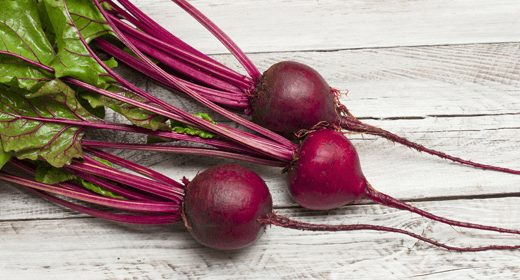
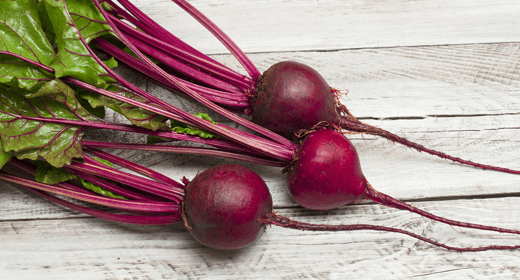
      Feeding a diet containing fructooligosaccharides (FOS), a unique fiber source that helps nutritionally maintain healthy intestinal bacterial populations, promotes growth of beneficial bacteria. Beet pulp, a moderably fermentable fiber source, also helps maintain intestinal health by providing energy for the cells lining the intestine and promoting small, firm stools.


      Signs That Your Dog Needs Senior Food

      Different dogs show signs of aging at different times, and much of this variation is associated with size. Larger dogs generally appear 'old' sooner than smaller dogs. The table below lists the age at which various groups of dogs should be transitioned to senior foods, such as IAMS™ ProActive Health™ Senior Plus.


      Dog Weight and Transition to Senior Food

      Weight RangeAge to Begin Transition
      More than 90 lbs5 years
      51 to 90 lbs6 years
      21 to 50 lbs7 years
      Up to 20 lbs7 years

    Close modal