Enter a keyword below to search for articles and products.
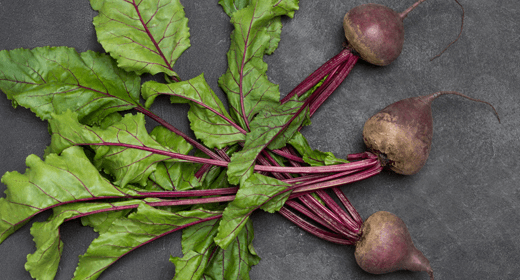
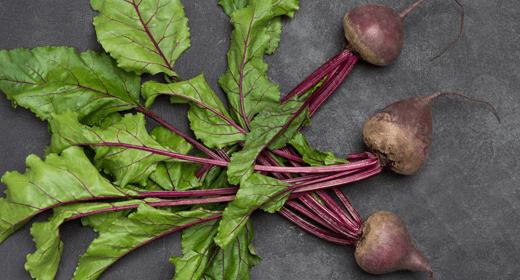
Beet pulp is the material that remains after sugar is extracted from sugar beets—not red beets. Beet pulp is a source of fiber in dog diets.
Fiber can be classified as nonfermentable and fermentable. Nonfermentable fiber remains undigested as it passes through the intestines, thereby providing bulk to move wastes out. Cellulose is a nonfermentable fiber.
Fermentable fiber is broken down in the intestines into short-chain fatty acids that provide energy for cells lining the intestine.
Moderately fermentable fiber does both: It provides bulk to move waste and provides energy for cells lining the intestine. Beet pulp is a moderately fermentable fiber.
'Beet pulp is harmful.'
Beet pulp contains no toxins and is a very safe fiber source.
'Beet pulp affects coat color.'
There is nothing in beet pulp that can affect coat pigment. The inside is light in color. The outside peel, which is dark, is not used.
'Beet pulp contains sugar.'
By definition, beet pulp is the material that remains after the sugar is removed from sugar beets. Therefore, beet pulp contains no sugar.
'Beet pulp causes bloat.'
Bloat (gastric dilatation-volvulus or GDV) is related to a stomach defect that delays emptying. It is believed that bloat is not related to diet or ingredients, such as beet pulp. However, the cause of bloat remains unknown.


Bringing a new furry friend home is one of the most exciting things you will experience. And as a pet parent, the first thing you need to do is lay down a puppy vet care plan. Hence, it is essential that you take your new, little pet for a general check-up within the first week of bringing it home. During this vet visit, you can learn about your dog’s vaccination schedule, nutritional requirement, training needs, and more. It is crucial to seek professional medical advice to make sure that you do not overlook any aspects that may need immediate attention. If you are not sure why and when you need a vet for your dog, this article is for you. It gives you a gist on how often you should visit your vet, vaccinations, annual check-ups, and more.
A veterinarian is going to help you keep your floofy healthy and in check. A puppy, just like a senior dog, will require more attention. So, if you are wondering how often a puppy should go to a vet, here’s your answer: once every 3-4 weeks. If your puppy requires special attention, your veterinarian will recommend frequent follow-ups. If this is your pup’s first vet visit, contact the breeder for information on vaccination and any other medical history. If you have a rescue pup, let your vet know. It will help your doctor assess your pup’s case better.
Moreover, take your puppy to the doctor immediately if you notice any of the following issues:
Note: Even if your dog comes with a documentation of up-to-date vaccination shots, you should take it to the vet at least once to get a green signal.
We humans visit our family doctors at least once a year even if we do not exhibit any symptoms. Similarly, even your fur baby needs to be taken to the vet once a year for annual vaccination and a general medical check-up The vet will check your baby’s heart, lungs, ears, eyes, look for any abnormal growth, and do other basic tests.
Based on the medical examination, your vet may recommend certain dietary changes, physical activities, and a dental care routine. Follow their recommendations religiously to improve your puppy’s health! Here are a few things you can carry during your dog’s yearly appointment:
Puppies are born with some immunity passed on to them by their mothers. However, they start losing their inherited immunity once they turn 6 to 8 weeks old. Therefore, it becomes imperative that you start vaccinating your puppy around that time. Their innate habit of sniffing and licking everything that strikes their fancy exposes dogs to a plethora of diseases. Thankfully, a vaccination plan can shield them against fatal viruses and diseases. Vaccine shots are administered when puppies turn 6-8 weeks old, and they are repeated every 2-4 weeks until the puppy is 16 weeks of age or older. Sometimes, a vet may recommend an earlier vaccination regimen, starting at 4 weeks of age in the face of an outbreak or when the mother has an unknown vaccination history. You can ask your vet for a vaccination schedule customized for your puppy.
As kids, we were inoculated against several health issues with different types of vaccination. Similarly, your dog too needs to be vaccinated against multiple diseases such as rabies, distemper, hepatitis, etc. So, Let’s take a look at the types of vaccines commonly administered to your dog:
The above vaccines may come in different combinations; hence, consult your vet and get a proper understanding of