Enter a keyword below to search for articles and products.


Nutrition is an important part of pet care, and food is one of the basic needs of a dog. So, we cannot go wrong when it comes to feeding our fur babies. And how would anyone mess it up? As humans, we are used to satisfying the nutritional needs of ourselves. How difficult could it possibly be to do the same for a dog? Well, thanks to the endless varieties of dog food available in the market, choosing the right kind of puppy food has become a challenge. But fret not! With this comprehensive feeding guide, you can plan a healthy and balanced diet for your new-born puppy. It also covers questions like what, when, and how often to feed a puppy.
Complete and balanced nutrition is critical for the healthy growth of your puppy. In fact, according to Dr. Saza Curaming, “A puppy grows about 12x faster than a human child. That’s why the first year of a dog’s life is a critical stage and this will dictate its further development. It is at this stage where you must constantly monitor its nutrition and feeding regimen.” So, let’s look at the food guide for the first year of a newborn pup:
As compared to adult dogs, puppies need a higher protein intake. It helps with muscle development and tissue repair. Hence, it is imperative to include protein-rich foods in their diet. While iron helps create red blood cells, calcium strengthens bones and teeth. As your puppy grows, it will start learning new things. And to ensure that your pooch can see and conceive new things, it needs DHA – an omega-3 fatty acid that supports healthy vision and brain development. You must also include prebiotics in its diet as your pet cannot have a healthy gut without it!
Give your dog the food that’s specifically formulated for its breed and age. Since small breed dogs have a tiny mouth, they require smaller kibbles. Moreover, large breed dogs have a slower metabolism; hence, they require fewer calories per kilogram of their bodyweight when compared to a small or medium breed dog.
IAMS™ Proactive Health™ Starter Mother and Baby Dog is loaded with essential nutrients like protein, vitamins, and minerals. It is scientifically formulated to raise your pup’s training potential and brain development. With IAMS™, you make sure that your little pooch receives a balanced and complete meal. This dog food is perfect for newbie mother dogs as well. It ensures production of quality milk for healthy growth of the puppy.
Now that you know the nutritional requirements of a dog, let us check out the food items that are harmful for your pooch:
A fat puppy might not necessarily mean a healthy pet. The way childhood obesity often leads to medical complications in humans, an overweight puppy can also grow up to have health problems. So, make sure you monitor your furry friend’s calorie intake. This includes keeping an eye on the amount of treats you give your pup each day! Remember that treats are not the only way of rewarding a dog. You can make it feel loved and appreciated with praises, pats, and belly rubs as well.
While choosing a food for your puppy, go for the one that is specially made for your pet. Today, dog food brands have different food for different age groups and breeds. So, choose the one that fits your pet’s age, breed, and needs. In case you are having a hard time choosing the right puppy food, you can also consult your vet regarding the same.
You should feed complete and balanced puppy food to your puppy every day. Choose between dry and wet puppy food or mix the two.
Check out the below table to understand how much food you should feed your puppy:
| Age | Feedings |
| 6 to 12 weeks | 4 |
| 3 to 6 months | 3 |
| 6 to 12 months | 2 |
Chicken, beef, fish, fruits, and vegetables are a few healthy ingredients in dog food. However, the best food for puppies would always be rich in protein. So, go for dog foods with chicken, beef, or fish as main ingredients.
Obesity in dogs is a more common problem than you might think. Between 25% and 40% of dogs are overweight, but often, owners don’t realize it until they take their dog to the veterinarian for another reason. Yet even vets can’t tell if a dog is obese by their weight alone. Ideal weight varies by breed, and quite widely within breeds.(Did you know, for instance, that Labrador retrievers, dachshunds and beagles areall prone to obesity?) In short, there’s no ideal healthy weight chart for all dogs!
The good news is that if your dog is overweight, there are a number of ways to help them reach a healthy weight. Don’t underestimate the power of daily walks and a weight management dog diet — IAMS™ Adult Healthy Weight can help return your dog to a healthy weight, providing a path to help keep them fit for life.
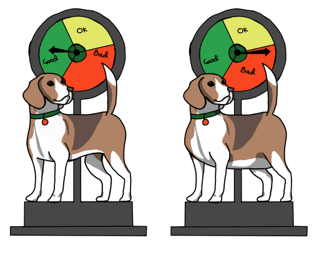
Can you feel individual ribs easily? Is your dog’s abdomen slightly tucked up whenviewed from the side? That’s a sign your dog is at their ideal weight.
If you can't feel the ribs easily, your dog has no waist and their abdomen drags,your pup is carrying extra weight. Your veterinarian can help you further evaluateyour dog’s condition and determine their ideal weight.
Dogs gain weight for the same reason people do: They eat more calories than theyuse. Today’s dogs share another problem with their human parents: lack of activity.Many pet parents work all day and are too tired to play with their dog afterward.
Dogs’ metabolisms might slow as they age or after they’re spayed or neutered,which means they require less food. Another common reason for weight gain isfrequently eating high-calorie treats. Sometimes more than one family member isfeeding the dog, and the dog sure isn’t telling!
Other factors that could contribute to canine obesity include:
If you suspect that your dog is overweight or obese, the !rst step is to set up anappointment with your veterinarian so they can evaluate their condition. Likewise,before beginning any weight loss program with your dog, make sure to discuss itwith your vet.
If your dog is overweight, it’s time to implement a weight-management regimen. Ifyou usually feed one large meal a day or keep food available at all times, try adifferent dog-feeding schedule by dividing the daily ration into several small meals— at least two meals a day. It takes energy to digest food, and dividing your dog’sdaily ration into separate feedings will help. If your dog leaves any food in theirbowl, pick it up 30 minutes after each meal.
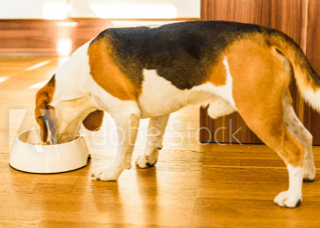
Your goal is to help your dog be healthier, so select their food carefully. Payattention to the ratio of fat, !ber, protein, carbohydrates and special ingredients inyour dog’s weight-management food:
After your dog reaches their ideal weight, select a maintenance food to keep theirweight steady.
Losing weight isn’t easy. Changing habits is the key. Here are some ways you can
help keep your dog on track:
A total weight-management program can lead to successful weight loss inoverweight or obese dogs. Remember: Your support is essential to your dog’sweight-control success.