Enter a keyword below to search for articles and products.


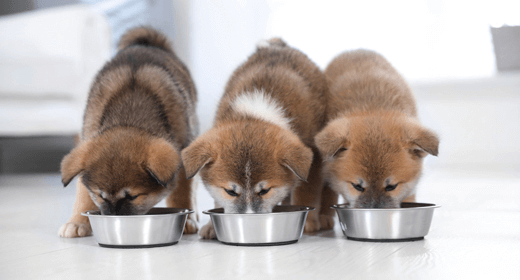
Nutrition is an important part of pet care, and food is one of the basic needs of a dog. So, we cannot go wrong when it comes to feeding our fur babies. And how would anyone mess it up? As humans, we are used to satisfying the nutritional needs of ourselves. How difficult could it possibly be to do the same for a dog? Well, thanks to the endless varieties of dog food available in the market, choosing the right kind of puppy food has become a challenge. But fret not! With this comprehensive feeding guide, you can plan a healthy and balanced diet for your new-born puppy. It also covers questions like what, when, and how often to feed a puppy.
Complete and balanced nutrition is critical for the healthy growth of your puppy. In fact, according to Dr. Saza Curaming, “A puppy grows about 12x faster than a human child. That’s why the first year of a dog’s life is a critical stage and this will dictate its further development. It is at this stage where you must constantly monitor its nutrition and feeding regimen.” So, let’s look at the food guide for the first year of a newborn pup:
As compared to adult dogs, puppies need a higher protein intake. It helps with muscle development and tissue repair. Hence, it is imperative to include protein-rich foods in their diet. While iron helps create red blood cells, calcium strengthens bones and teeth. As your puppy grows, it will start learning new things. And to ensure that your pooch can see and conceive new things, it needs DHA – an omega-3 fatty acid that supports healthy vision and brain development. You must also include prebiotics in its diet as your pet cannot have a healthy gut without it!
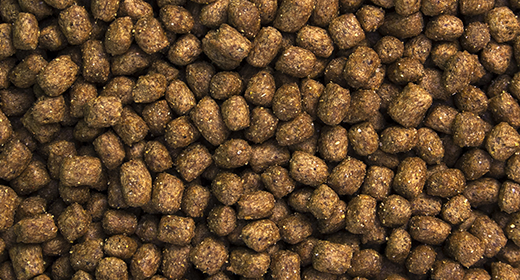
Give your dog the food that’s specifically formulated for its breed and age. Since small breed dogs have a tiny mouth, they require smaller kibbles. Moreover, large breed dogs have a slower metabolism; hence, they require fewer calories per kilogram of their bodyweight when compared to a small or medium breed dog.
IAMS™ Proactive Health™ Starter Mother and Baby Dog is loaded with essential nutrients like protein, vitamins, and minerals. It is scientifically formulated to raise your pup’s training potential and brain development. With IAMS™, you make sure that your little pooch receives a balanced and complete meal. This dog food is perfect for newbie mother dogs as well. It ensures production of quality milk for healthy growth of the puppy.
Now that you know the nutritional requirements of a dog, let us check out the food items that are harmful for your pooch:
A fat puppy might not necessarily mean a healthy pet. The way childhood obesity often leads to medical complications in humans, an overweight puppy can also grow up to have health problems. So, make sure you monitor your furry friend’s calorie intake. This includes keeping an eye on the amount of treats you give your pup each day! Remember that treats are not the only way of rewarding a dog. You can make it feel loved and appreciated with praises, pats, and belly rubs as well.
While choosing a food for your puppy, go for the one that is specially made for your pet. Today, dog food brands have different food for different age groups and breeds. So, choose the one that fits your pet’s age, breed, and needs. In case you are having a hard time choosing the right puppy food, you can also consult your vet regarding the same.
You should feed complete and balanced puppy food to your puppy every day. Choose between dry and wet puppy food or mix the two.
Check out the below table to understand how much food you should feed your puppy:
| Age | Feedings |
| 6 to 12 weeks | 4 |
| 3 to 6 months | 3 |
| 6 to 12 months | 2 |
Chicken, beef, fish, fruits, and vegetables are a few healthy ingredients in dog food. However, the best food for puppies would always be rich in protein. So, go for dog foods with chicken, beef, or fish as main ingredients.
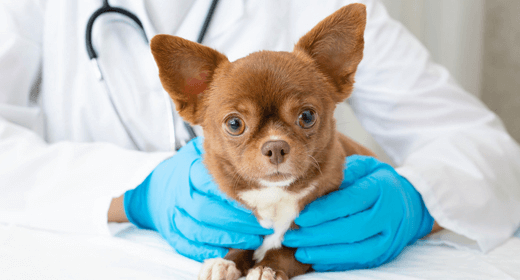
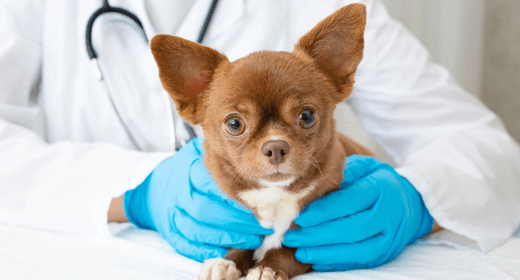
Population control is as essential for pets as it is for humans. Overpopulation by unwanted kindle of kittens or puppies is difficult to manage by caregivers. Many newborn young kittens and puppies are either put up for adoption or sent to an animal shelter. Besides, reproduction can be a tedious journey for your furry friend. Hence, it is better to get them spayed and neutered at the right time.
Spaying and neutering are medical procedures performed on dogs to stop their reproduction process. Dog neutering and spaying is one the essential medical procedures for providing care to your fur baby. There are many benefits of neutering and spaying your canine friend. To understand more about this helpful medical procedure, read the following.
A neutered or spayed dog cannot reproduce as their heat cycle is eliminated. Dog neutering is a medical procedure performed on male dogs while spaying is performed on female dogs. Veterinarian surgeons perform a surgical procedure to remove ovaries and uterus from female dogs. Besides population control, spaying also prevents uterine infections and breast cancer in female dogs. Whereas neutering is a similar procedure performed on male dogs. Neutered dogs undergo surgery for removing both testicles and associated structures. Male neutered dogs are generally believed to be more well-behaved and calmer. The surgery also stops their breeding acts such as humping and the urge to run away.
Getting your dog spayed and neutered is essential for their psychological and physical well-being and behavior. Yet, when to spay a dog and when to neuter a puppy is a common query amongst pet caregivers. Well, it is best to get your pooch neutered or spayed at the earliest. It is best to get your fur baby neutered or spayed before it develops breeding instincts. Undergoing the procedure between 4 and 6 months is suggested. Most breeds of dogs reach redevelopment maturity around 6 months of age, yet some breeds can easily be neutered or spayed until 9 months or even after they turn over a year old. Hence, your pooch’s breed and size decide how soon it needs to be spayed or neutered.
There are numerous reasons to opt for spaying and neutering for pets. By undergoing spaying and neutering procedures, pets can achieve better physical and psychological health. Neutered and spayed dogs are known to have better hormonal balance as their reproductive organs are removed which helps in neutralizing their breeding instincts. Mentioned below are a few more reasons why you should get your pets neutered and spayed.
It is necessary to take some preventive measures to build trust and assurance before getting your pooch neutered or spayed. The following are a few things you should do to prepare your canine friend before getting it neutered/ spayed.
Neutering or spaying can typically take anywhere between 20 to 90 minutes depending on the size, breed, and health of your pooch. As a pet parent, you need to ensure the best care and support for your fur baby to ensure its complete and stress-free recovery post-surgery. Puppies and dogs often take up to 10 to 14 days to recover after getting neutered or spayed. The following are a few things you should do to ensure your puppy recovers well after getting neutered or spayed.
Managing the population is essential for strays as well as pets. When you get your pets neutered and spayed, you eliminate their chances of contributing to the overpopulation of dogs. Besides, spaying and neutering also help in managing your pooch’s aggression and urge to run away by controlling their hormones and making them calmer. Neutering and spaying also save your pooch from falling prey to infections and fatal illnesses like cancer. Hence, it is best to get your canine friend neutered or spayed at the earliest by consulting a vet.