Enter a keyword below to search for articles and products.
Antioxidants are good for your cat because they play a key role in minimizing damage to cells, including cells of the immune system.
These important, naturally occurring nutrients help maintain health by slowing the destructive oxidative process of cellular molecules. They also can be important in supporting immune responses and vaccine recognition in cats. This may be especially critical for kittens that are being vaccinated while their immune system is still developing.
Additionally, antioxidants can reverse decreases in immune-cell function for senior cats, increasing them back to healthy adult levels.
Antioxidants are nutrients found naturally in the body and in plants such as fruits and vegetables. Common antioxidants include vitamin C, vitamin E and certain compounds called carotenoids (including lutein and beta-carotene). A blend of several antioxidants in moderate amounts may be more effective than high levels of one antioxidant.
As cells function normally in the body, they produce damaged molecules called free radicals. These free radicals are highly unstable and steal components from other cellular molecules, such as fat, protein or DNA, thereby spreading the damage.
This damage continues in a chain reaction, and entire cells soon become damaged and die in a process called peroxidation. Peroxidation is useful because it helps the body destroy cells that have outlived their usefulness and kills germs and parasites. However, when left unchecked, peroxidation also destroys or damages healthy cells.
Antioxidants help prevent widespread cellular destruction by willingly donating components to stabilize free radicals. More importantly, antioxidants return to the surface of the cell to stabilize rather than damage other cellular components.
When there are not enough antioxidants to hold peroxidation in check, free radicals begin damaging healthy cells, which can lead to problems. For example, free radical damage to immune cells can lead to an increased risk of infection.
Because antioxidants play a key role in minimizing damage to cells, such as those that make up the immune system, recent research examined the benefits of certain antioxidants on the immune response of cats. The results of these studies indicated that antioxidants are important in helping cats maintain a healthy immune system.
The research also showed that each antioxidant benefits the immune system uniquely, so one antioxidant at high levels is not as effective as a group of antioxidants acting together.
| Antioxidant | Source | Function |
|---|---|---|
| Vitamin E | Plant oil extract, tocopherols | Optimizes immune system’s T-cell activation |
| Beta-carotene | Vitamin premix, corn meal, chicken by-product meal and chicken fat | Optimizes types of cells present in the blood, increases antibody levels in the blood and optimizes vaccine recognition |
Recent research also examined the effect of aging on immune responses. The findings indicate that as cats age, immune cell responses may decline. Including antioxidants in your cat’s diet can help reverse the age-related decrease in immune cell function, returning it to healthy adult levels.
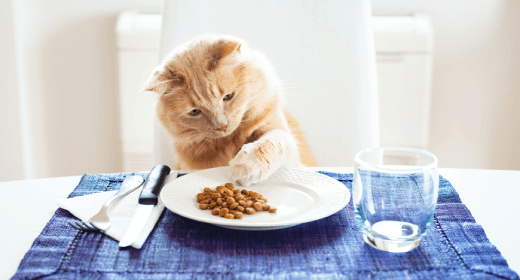
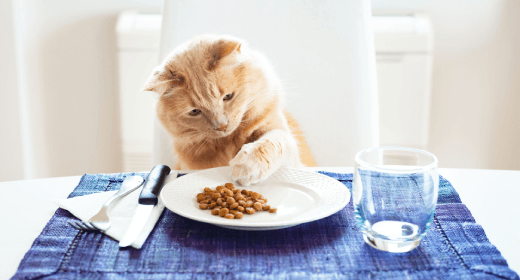
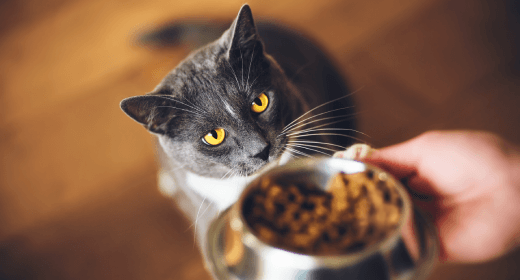
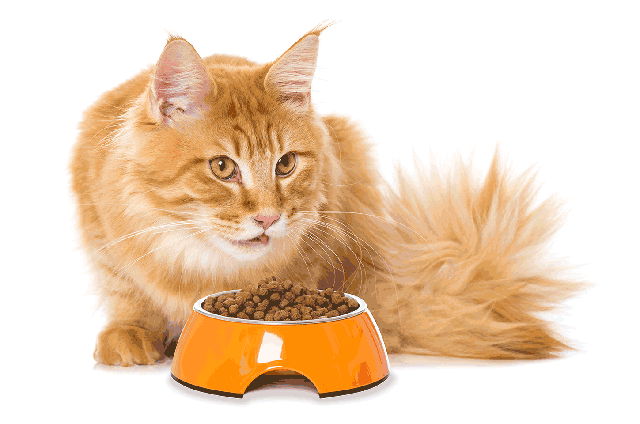
Compared to humans, your cat needs a high-fat, high-protein diet along with other important nutrients. Cats usually eat many small meals throughout the day, so they easily adopt a free choice feeding schedule to maintain their normal body weight. Dry foods, such as IAMS™ PROACTIVE HEALTH™ Healthy Adult with Chicken, are best suited for free choice feeding because they stay fresh for a longer period.
Here are few tips on how to feed a cat:
Wondering what do cats eat ? Cats need nutrients from animal-based protein sources. Providing the vitamins, minerals, proteins, and other components found in a portion of complete and balanced pet food can help your cat live a long and healthy life. It is important to avoid supplementing your cat's diet, as doing so may lead to a variety of health problems.
When selecting cat food, refer to a cat nutrition chart that offers the following nutrients:
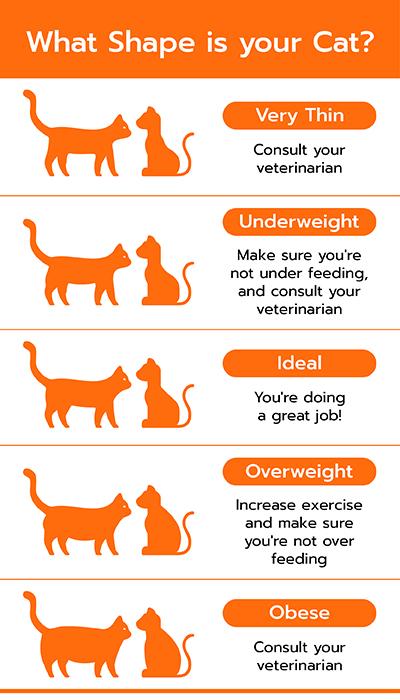
Same time, we recommend you control the amount of food you feed your cat. Even if it is a weight loss-based cat food, the quantity should be checked properly.
The amount to feed your cat depends on its age, size, and activity level. Feeding guidelines that recommend the daily amount of food you may feed your cat are included on all IAMS packages. Start feeding your cat the mentioned amount and adjust according to its needs. Remember to divide the portion accordingly if you feed more than once a day. With that said now, take a look at this chart on how much to feed a cat:
| Weight of cat (kg) | G/day |
|---|---|
| 3 | 45 |
| 4 | 55 |
| 5 | 60 |
| 6 | 70 |
| 7 | 80 |
| 8 | 90 |
IAMS offers a high protein diet food for cats that are either underweight or overweight. The IAMS Indoor Weight and Hairball Care food is made with a formula that is suitable for cats who are either in need of increasing weight or decreasing it. The benefits of this cat diet plan are as follows: