Enter a keyword below to search for articles and products.
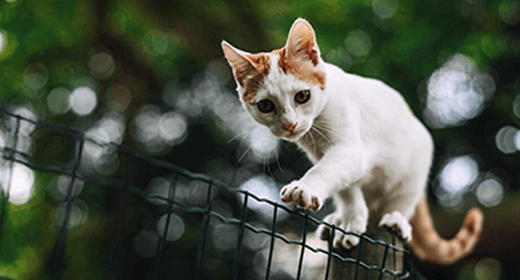
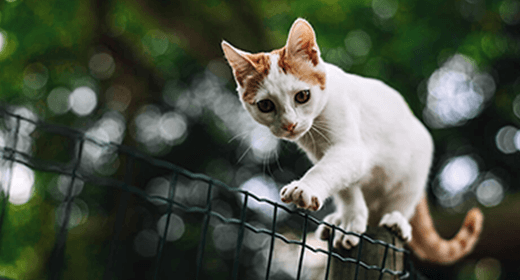
Cats are carnivorous animals who typically depend on meat protein for their regular growth and development. But can kittens eat raw meat? Well, while cats do enjoy feasting on meat from other animals, they should do so only after a certain age. Younger kittens generally do not have the metabolism and capacity to digest raw meat. Hence, pet parents should start a raw diet for kittens only once they turn 3 to 4 weeks old.
Although cats relish their portion of raw meat, feeding it to kittens is a totally different topic. Since kittens are still at a developing stage, they are more sensitive and need additional care. Yet, feeding raw meat to kittens is not an unheard practice. However, uncooked and unprocessed raw meat often carry harmful microbes which may hamper the kitty’s health. Hence, it is not recommended to feed raw meat to kittens.
While there is no evidence that raw meat offers more nutrition than other types of cat food (and vice versa), here are two reasons why kittens shouldn’t eat raw meat:
Raw food is not recommended for cats because it contains bacteria like Salmonella and listeria. These bacteria can make both the pet as well as caregivers sick. And it is no news that food-borne diseases can at times be fatal.
Raw meat often contains small bone pieces and that can be dangerous for the kitten. These pieces can cause intestinal blockage. In fact, they can even cut the insides of your pet’s digestive system. Moreover, bone pieces can also fracture the cat’s teeth. If your cat is an aggressive chewer, feeding raw meat with bones could even break your feline friend’s tooth.
Now, as a cat parent, you might assume that home-cooked food is the best choice for your cat. However, it is a daunting and time-consuming process. You will have to understand cat’s feeding needs to ensure that it meets the daily nutrition quota. Along with protein, our feline family member also needs essential micronutrients like iron sodium, chloride, magnesium, etc. Hence, going for wet cat food products and kibbles is a feasible option. It saves you the effort of cooking food every day while also offering complete nutrition to your pet. Let’s explore the benefits of feeding wet cat food and kibbles to your cat:
Note: Get in touch with your vet to make sure you feed the right quantities of both wet and dry cat food to your pet.
At IAMS, we offer dry cat food and kibbles that are made with premium-quality meat like chicken, tuna, and salmon. Along with being rich in protein, our range of cat food is also loaded with essential vitamins and minerals for cats.
If your cat accidently eats raw meat, take it to your vet as soon as possible. Cats exhibit the following symptoms every time they eat something their system doesn’t accept:
If a cat eats raw meat, it can lead to food-borne diseases, digestive issues, and tooth fracture.
No, raw food is not safe for kittens as it often contains infectious bacteria and small bone pieces that can cause fatal health problems.
Since kittens are still at a growing stage, their immune system is not strong enough to fight harmful bacteria present in raw meat. Hence, it is not recommended to feed any kind of raw meat to kittens.
No. Kittens shouldn’t eat raw chicken as it can cause severe health problems. Since cats are carnivores, they require animal protein for sustenance. Hence, cat parents should opt for wet and/or dry cat food that are developed to support your pet’s overall health.
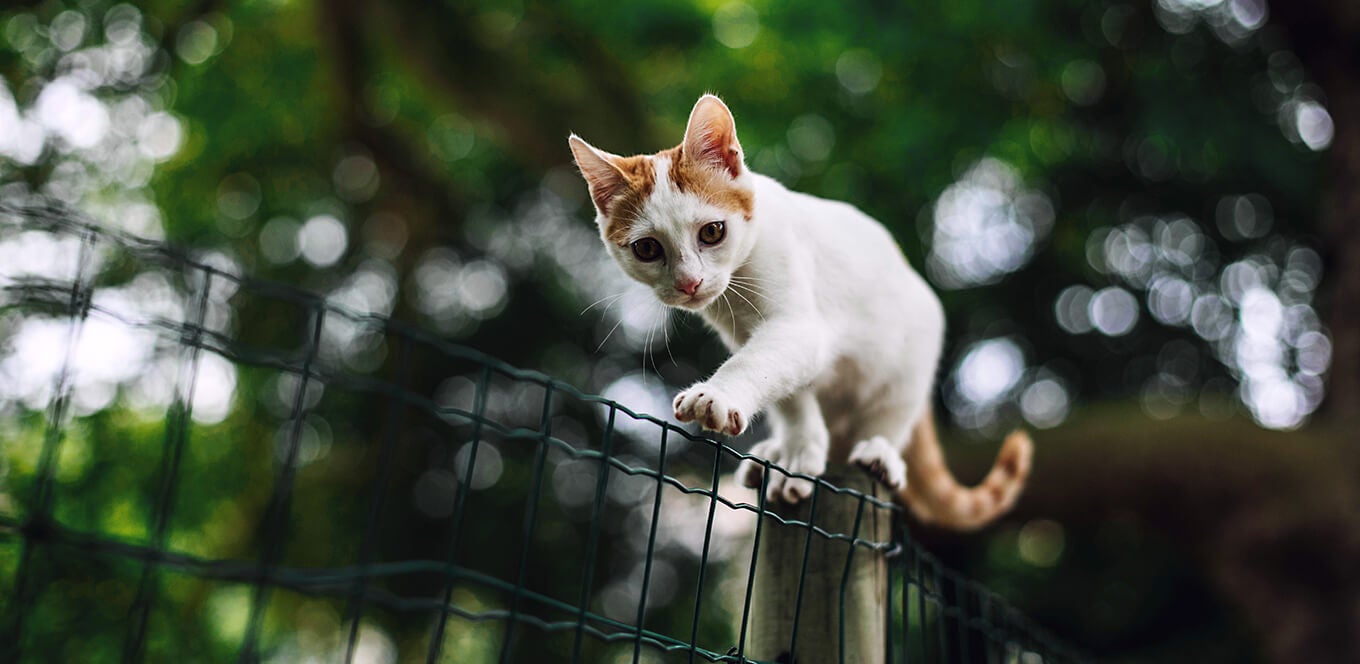
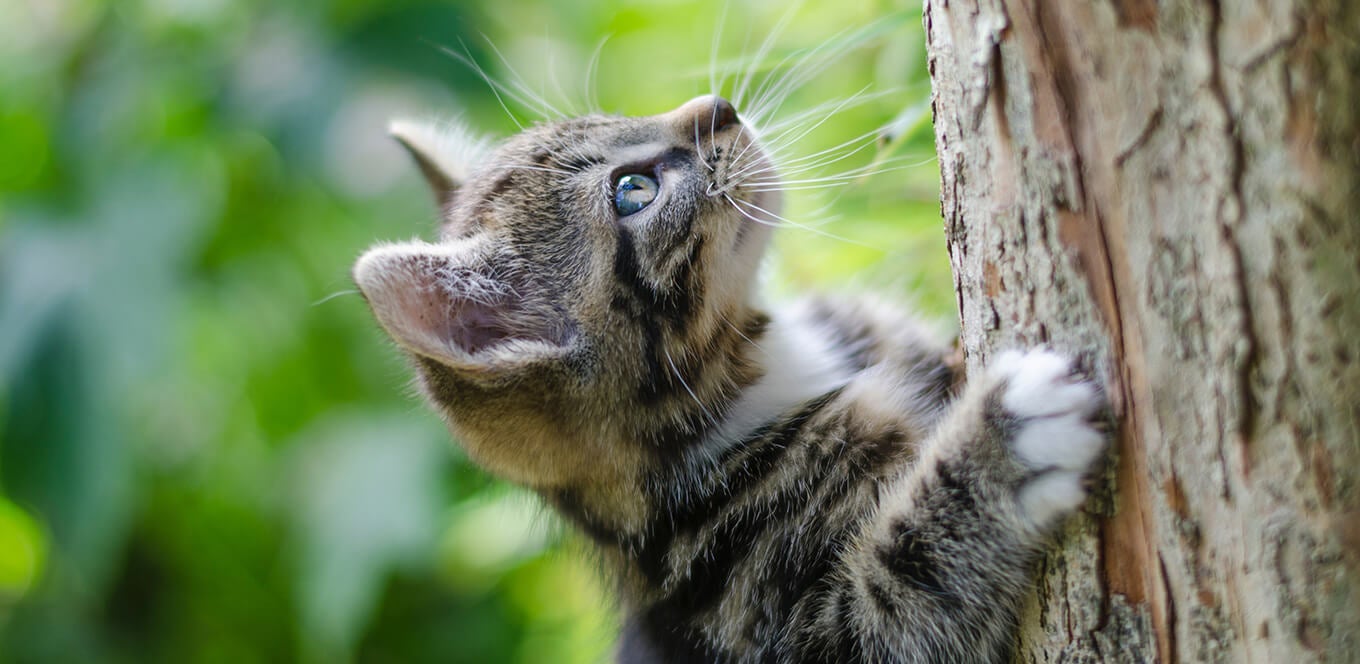
Author: Dr. Siti Zaenab
Most owners understand that protein is one of the key nutrients that cats need to thrive and stay healthy, but what many may not fully realize is just how important it is for their long-term wellbeing. Protein is a cat’s primary energy source, and cats need more protein than other domestic animals like dogs and even people. In order to fuel their bodies and nervous systems, cats require more than 50% of their dietary calories to come from protein.
Cats then break the protein down into 11 specific amino acids, which are also known as essential amino acids, which are not found in cats’ natural systems. These essential amino acids are the building blocks that create new proteins and make glucose for energy. On the other hand, amino acids that are found within cats’ natural systems are called non-essential amino acids, and these are not required in a cat’s diet.
A cat’s diet requires animal protein that contains all the essential amino acids that cats need but are not found in plant proteins. This aligns with the understanding that cats are obligate omnivores, needing meat-based protein to survive.
The slightest deficiencies in any of the essential amino acids can lead to serious health problems for cats. For instance, taurine deficiency can cause a host of problems such as blindness, inadequate immune response, poor growth and poor reproductive function.
Another essential amino acid, arginine, is important to remove ammonia from the cat’s body through urine. Without sufficient arginine content in a cat’s diet, ammonia can build up in the bloodstream, which is toxic for the cat. Additionally, the essential amino acid histidine, is a structural protein that acts as a precursor to a number of neurological compounds such as histamine. Histidine deficiency can result in weight loss, refusal to eat, and may result in cataracts.
Cats can consume their dietary protein and obtain their essential amino acids through animal products like chicken and fish. Chicken has one of the highest biological values of all the meats, making it an excellent protein source for cats. It is also a good source of tryptophan, calcium, potassium, and vitamin B6. Fish is also a highly digestible protein source, and fish like salmon can provide cats with important omega-3 fatty acids.
While natural food options that somewhat fulfil a cat’s protein needs are available, owners these days go the extra mile to deep-dive into research to ensure better lives for their cats. Besides relying on online sources like the Internet, cat owners are also seeking more counsel from vets about their beloved cats’ needs, while also becoming more selective in their decisions and detailed in their questions, which is very encouraging to see as a vet. With this spirit, owners can better understand that their cats require adequate protein to stay healthy.
Along with veterinary guidance, owners are on the look-out for food solutions that contain all the essential protein contents in one place. We are finding that they are increasingly turning to products like IAMS products, which contain protein necessary for a variety of needs, such maintaining a healthy coat, strong muscles, and good digestion. With IAMS products, cats can get their protein needs from chicken with IAMS Healthy Adult with Chicken, with real chicken as its main ingredient, and from fish with IAMS Healthy Adult with Ocean Fish, with real fish as its main ingredient, both aiding in healthy digestion, skin and coat, teeth, and muscles, to name a few.
Owners must ensure that their cats’ diets provide complete and balanced nutrition, a key component of which is adequate protein. This can be achieved through consulting with vets, researching good protein sources, and sharing knowledge with fellow cat owners, among others. With such a concerted effort, cat owners can be assured about keeping their cats as healthy and happy for as long as possible.