Enter a keyword below to search for articles and products.
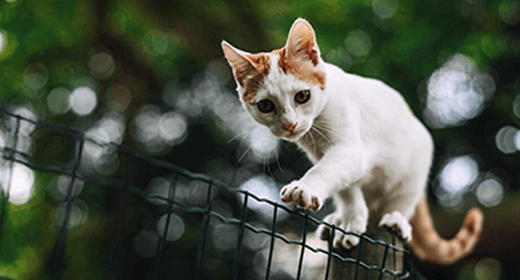
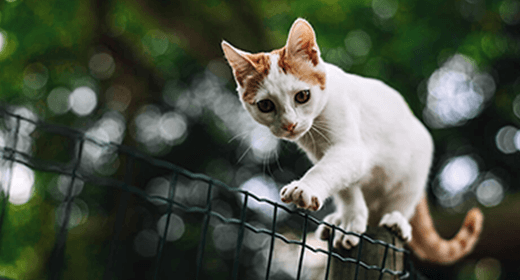
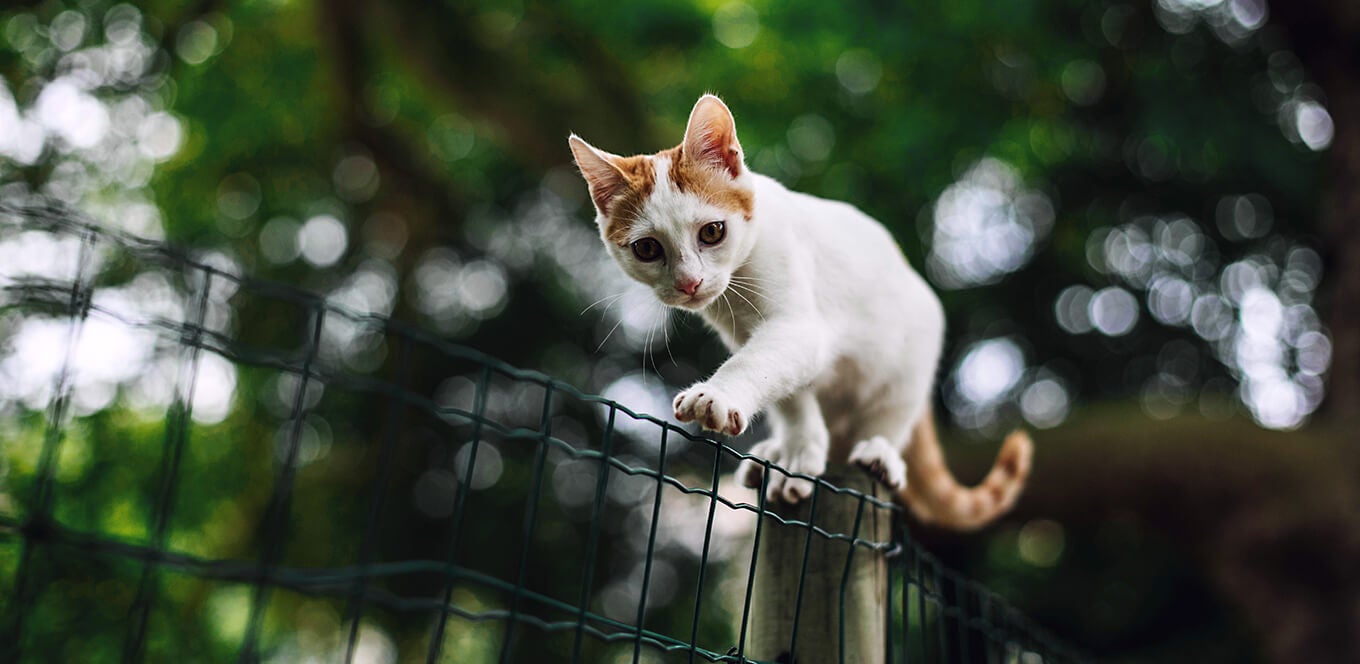
Cats are carnivorous animals who typically depend on meat protein for their regular growth and development. But can kittens eat raw meat? Well, while cats do enjoy feasting on meat from other animals, they should do so only after a certain age. Younger kittens generally do not have the metabolism and capacity to digest raw meat. Hence, pet parents should start a raw diet for kittens only once they turn 3 to 4 weeks old.
Although cats relish their portion of raw meat, feeding it to kittens is a totally different topic. Since kittens are still at a developing stage, they are more sensitive and need additional care. Yet, feeding raw meat to kittens is not an unheard practice. However, uncooked and unprocessed raw meat often carry harmful microbes which may hamper the kitty’s health. Hence, it is not recommended to feed raw meat to kittens.
While there is no evidence that raw meat offers more nutrition than other types of cat food (and vice versa), here are two reasons why kittens shouldn’t eat raw meat:
Raw food is not recommended for cats because it contains bacteria like Salmonella and listeria. These bacteria can make both the pet as well as caregivers sick. And it is no news that food-borne diseases can at times be fatal.
Raw meat often contains small bone pieces and that can be dangerous for the kitten. These pieces can cause intestinal blockage. In fact, they can even cut the insides of your pet’s digestive system. Moreover, bone pieces can also fracture the cat’s teeth. If your cat is an aggressive chewer, feeding raw meat with bones could even break your feline friend’s tooth.
Now, as a cat parent, you might assume that home-cooked food is the best choice for your cat. However, it is a daunting and time-consuming process. You will have to understand cat’s feeding needs to ensure that it meets the daily nutrition quota. Along with protein, our feline family member also needs essential micronutrients like iron sodium, chloride, magnesium, etc. Hence, going for wet cat food products and kibbles is a feasible option. It saves you the effort of cooking food every day while also offering complete nutrition to your pet. Let’s explore the benefits of feeding wet cat food and kibbles to your cat:
Note: Get in touch with your vet to make sure you feed the right quantities of both wet and dry cat food to your pet.
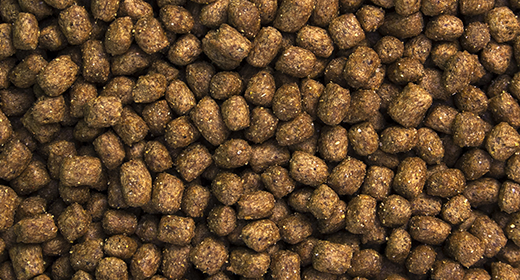
At IAMS, we offer dry cat food and kibbles that are made with premium-quality meat like chicken, tuna, and salmon. Along with being rich in protein, our range of cat food is also loaded with essential vitamins and minerals for cats.
If your cat accidently eats raw meat, take it to your vet as soon as possible. Cats exhibit the following symptoms every time they eat something their system doesn’t accept:
If a cat eats raw meat, it can lead to food-borne diseases, digestive issues, and tooth fracture.
No, raw food is not safe for kittens as it often contains infectious bacteria and small bone pieces that can cause fatal health problems.
Since kittens are still at a growing stage, their immune system is not strong enough to fight harmful bacteria present in raw meat. Hence, it is not recommended to feed any kind of raw meat to kittens.
No. Kittens shouldn’t eat raw chicken as it can cause severe health problems. Since cats are carnivores, they require animal protein for sustenance. Hence, cat parents should opt for wet and/or dry cat food that are developed to support your pet’s overall health.
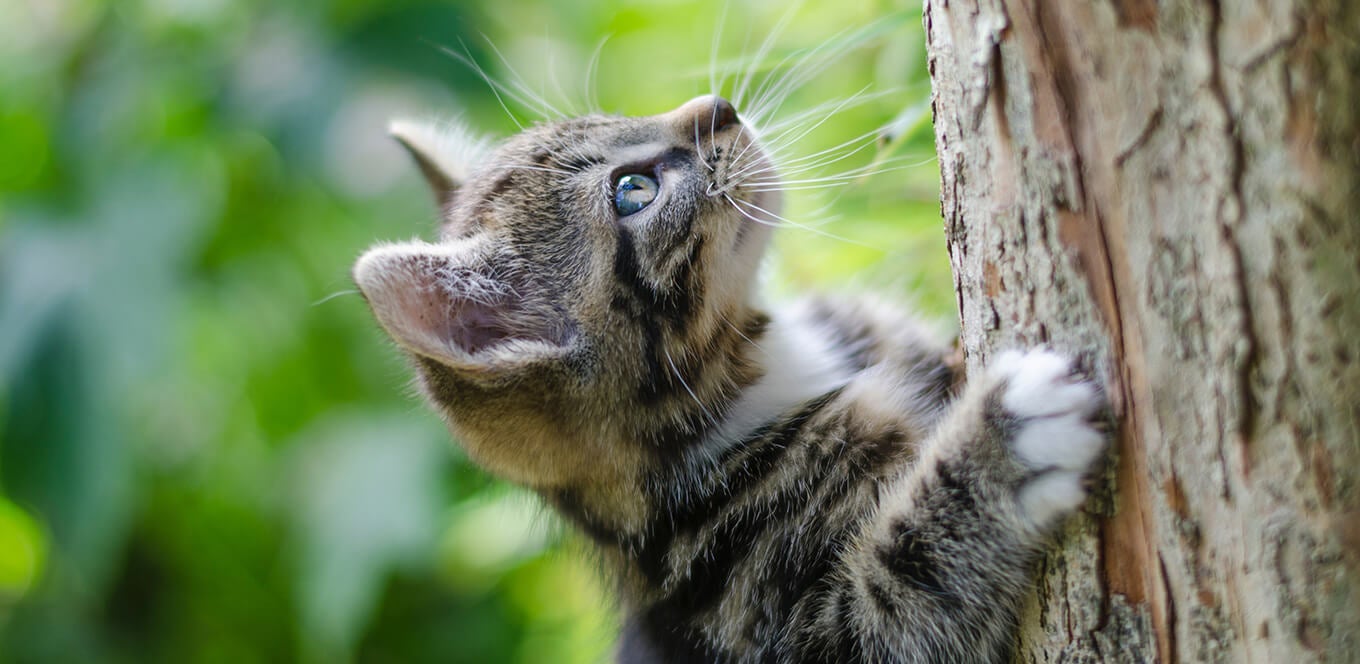
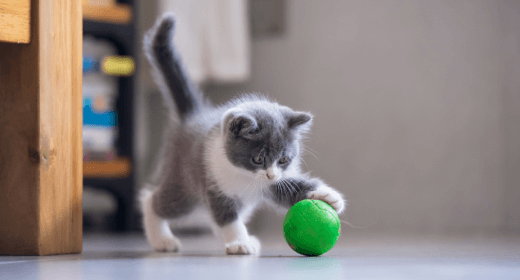
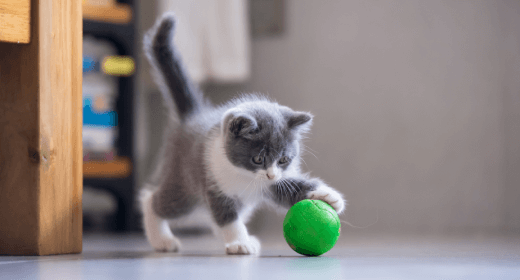
Bringing a new kitten into your home is an exciting time for any pet lover. As your furry little bundle of joy grows and develops, it's important to remember that proper kitten training is essential for its physical and behavioural well-being. In the crucial growing years, a kitten's brain is like a sponge, absorbing information and learning new skills at an incredible speed. With proper guidance and loving touch, you can ensure that your kitten grows into a well-adjusted, happy, and healthy family member. This blog post will share tips to train your kitten and provide them with the best possible start in life.
As a new kitten parent, it's important to understand that kitten training should be a fun and positive experience for you and your furry friend. You can teach your kitten everything from basic commands to good manners with patience, consistency, and a few simple tips. Here are some of our top tips for training your kitten:
Teaching your kitten to sit is the first step in training. Start by holding a treat in front of their nose and slowly moving it up and over their head. As they look up to follow the treat, their bottom should naturally lower to the ground. As soon as they sit, say 'sit' and give them the treat. Repeat this process several times a day until they understand the command.
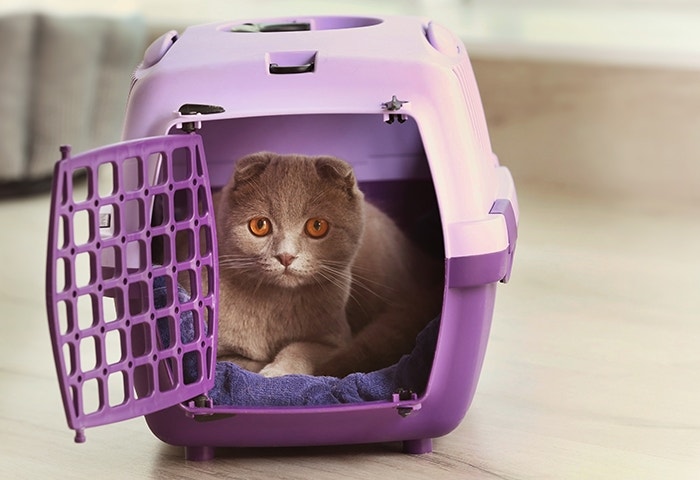
Crate training is an excellent way to provide your kitten with a safe and comfortable space to call their own. Start by placing a soft blanket and a few toys inside the crate. Let your kitten explore the crate on their own kitten food and reward them with treats and praise when they go inside. Over time, you can start closing the door for short periods and gradually increase the duration.
Socialization is an important part of kitten training. Start by introducing your kitten to friends, family, and other pets. Take your fur baby on short car rides and expose it to sights, sounds, and smells. The more it is exposed to different people, animals, and environments, the more confident and well-adjusted it will be as an adult.
Training your kitten to play with toys is a great way to stimulate it mentally and physically. Start by introducing your purrfect pal to various toys and see what interests it the most. Once it is engaged, you two can indulge in fun games like fetch, chase, and tug of war.
Litter training is an essential part of kitten training. Start by placing your kitten in the litter box after meals and naps. When they use the litter box, reward them with treats and praises. Be sure to clean the box regularly and keep it in a quiet, accessible location.
Teaching your kitten proper feeding etiquette is important for its overall health and wellbeing. Start by teaching them to eat from a bowl and not to beg at the table. Be consistent with their feeding schedule and monitor their weight to ensure your cats receive full nutrition.
Teaching kittens to recognize their name is an important step in training. Start by calling their name and rewarding them with treats and praises when they respond. Be consistent with their name and use them as much as possible.
Overall, training your kitten is an ongoing process that requires patience and consistency. Remember to use positive and reward-based training methods. And most importantly, have fun! Make sure to give your kitten lots of love, praises, and treats as they learn and grow.