Enter a keyword below to search for articles and products.
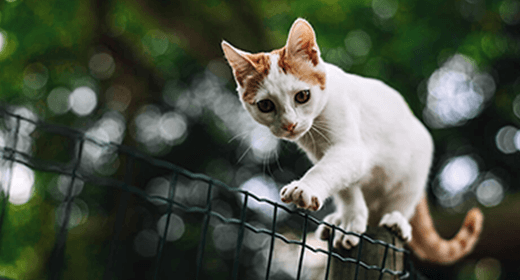
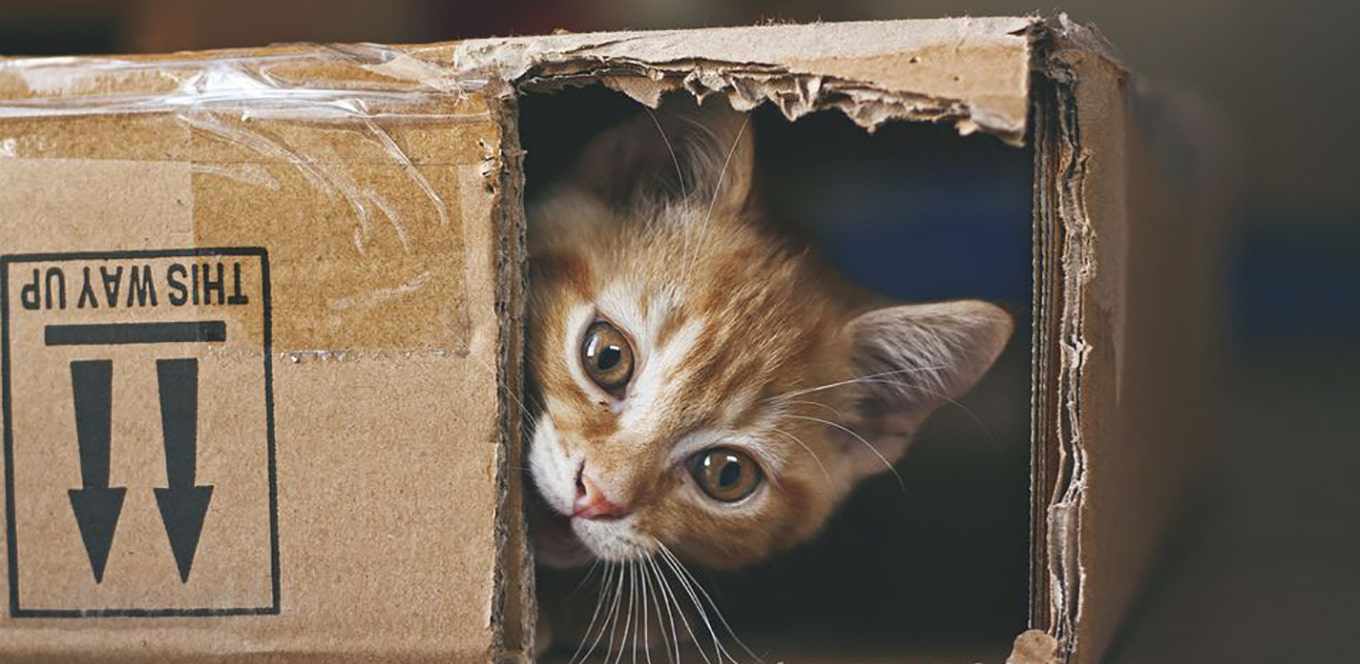
Cats are carnivorous animals who typically depend on meat protein for their regular growth and development. But can kittens eat raw meat? Well, while cats do enjoy feasting on meat from other animals, they should do so only after a certain age. Younger kittens generally do not have the metabolism and capacity to digest raw meat. Hence, pet parents should start a raw diet for kittens only once they turn 3 to 4 weeks old.
Although cats relish their portion of raw meat, feeding it to kittens is a totally different topic. Since kittens are still at a developing stage, they are more sensitive and need additional care. Yet, feeding raw meat to kittens is not an unheard practice. However, uncooked and unprocessed raw meat often carry harmful microbes which may hamper the kitty’s health. Hence, it is not recommended to feed raw meat to kittens.
While there is no evidence that raw meat offers more nutrition than other types of cat food (and vice versa), here are two reasons why kittens shouldn’t eat raw meat:
Raw food is not recommended for cats because it contains bacteria like Salmonella and listeria. These bacteria can make both the pet as well as caregivers sick. And it is no news that food-borne diseases can at times be fatal.
Raw meat often contains small bone pieces and that can be dangerous for the kitten. These pieces can cause intestinal blockage. In fact, they can even cut the insides of your pet’s digestive system. Moreover, bone pieces can also fracture the cat’s teeth. If your cat is an aggressive chewer, feeding raw meat with bones could even break your feline friend’s tooth.
Now, as a cat parent, you might assume that home-cooked food is the best choice for your cat. However, it is a daunting and time-consuming process. You will have to understand cat’s feeding needs to ensure that it meets the daily nutrition quota. Along with protein, our feline family member also needs essential micronutrients like iron sodium, chloride, magnesium, etc. Hence, going for wet cat food products and kibbles is a feasible option. It saves you the effort of cooking food every day while also offering complete nutrition to your pet. Let’s explore the benefits of feeding wet cat food and kibbles to your cat:
Note: Get in touch with your vet to make sure you feed the right quantities of both wet and dry cat food to your pet.
At IAMS, we offer dry cat food and kibbles that are made with premium-quality meat like chicken, tuna, and salmon. Along with being rich in protein, our range of cat food is also loaded with essential vitamins and minerals for cats.
If your cat accidently eats raw meat, take it to your vet as soon as possible. Cats exhibit the following symptoms every time they eat something their system doesn’t accept:
If a cat eats raw meat, it can lead to food-borne diseases, digestive issues, and tooth fracture.
No, raw food is not safe for kittens as it often contains infectious bacteria and small bone pieces that can cause fatal health problems.
Since kittens are still at a growing stage, their immune system is not strong enough to fight harmful bacteria present in raw meat. Hence, it is not recommended to feed any kind of raw meat to kittens.
No. Kittens shouldn’t eat raw chicken as it can cause severe health problems. Since cats are carnivores, they require animal protein for sustenance. Hence, cat parents should opt for wet and/or dry cat food that are developed to support your pet’s overall health.
Understanding and learning how to decipher kitten food product codes will help you choose the right kitten food. While selecting the right ingredients is important, making sure those ingredients are fresh is just as vital to your young cat. Learn how to read the product codes of kitten food packages and cans with our handy guide.
A product code is a series of numbers and letters printed on the outer package of each product a manufacturer produces. This code provides information about when and where the kitten food was made.
As part of the product code, IAMS™ products include a “Best Used By” date, or the date at which the product is no longer considered fresh and should no longer be sold. This date is expressed in “ddmmyy” and “ddmmmyy” formats.
The second line of the product code represents company internal information for use in traceability and inventory control.
Line 1: (ddmmyy) (ddmmmyy)
Example: 040220 04FEB20
Line 2: 60351111## QQQQQQQ
This product should be used before February 4, 2020.
Depending on the production line, pouch products* may have code date information in a single or double line. By recognizing and understanding these codes, customers can make sure they are receiving a fresh product.
Shelf life is the duration, measured in months, during which a properly stored kitten food product maintains its freshness. This means if a product has a 16-month shelf life, it is fresh for up to 16 months from the date of manufacture.
The shelf life for IAMS dry kitten foods is 16 months. All canned formulas have a shelf life of 24 months.
Unopened dry kitten food products are best stored off the floor in a cool, dry place. Open bags of kitten food should be stored in a clean, dry container with a tight seal. Dry kitten food products may also be frozen without loss of nutrients.
Opened wet kitten food products are best kept refrigerated in tightly sealed containers for no more than three days after the container has been opened. Wet products should not be frozen in unopened cans. However, wet kitten foods can be frozen if removed from the container, packed in freezer containers and frozen immediately.
*IAMS has no kitten pouch products at this time.