IAMS PH
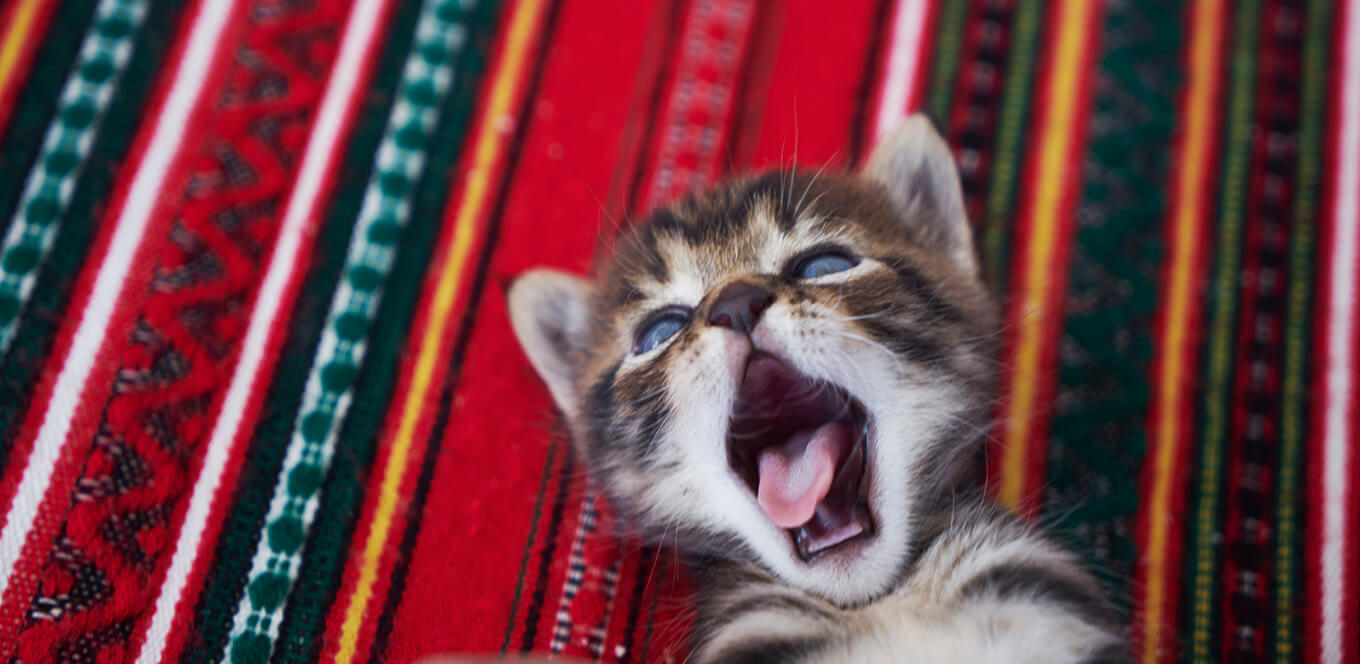
Kitten Basics: Taking Care of Your Kitten’s Oral Health banner
Kitten Basics: Taking Care of Your Kitten’s Oral Health

adp_description_block318
Maintaining Your Kitten's Oral Health: A Guide for New Pet Parents

  • Share

As a new kitten parent, maintaining your pet's oral health is crucial. Teething is one of the most important stages and it is essential to start good oral hygiene practices during this period. A healthy mouth is vital for your kitten's overall wellbeing. It can prevent dental issues such as plaque, tartar, and tooth decay. Not sure how to support your kitten’s oral health during its growth years? This guide will provide you with the knowledge you need to keep your kitten's teeth and gums strong and healthy.


Understanding the development of kitten teeth
 

To ensure proper kitten dental care, it is important to be aware of the stages of your kitten's dental growth. Kittens are born toothless but begin to develop teeth once they turn 2 or 3 weeks old. By 8-12 weeks, they will have all their primary teeth. These baby teeth will eventually be replaced with permanent adult teeth during the teething stage. This can cause discomfort, pain, swelling, or bleeding gums. It is imperative to consult your vet and make this period a little bearable for your little pal.


How to brush your kitten's teeth
 

Want to ensure your kitten's dental health? Here's a step-by-step guide on how to properly brush its teeth:

  1. First, introduce your kitten to a toothbrush and toothpaste. Let them sniff and lick it to become familiar with the taste and sensation. Start by allowing them to play with the toothbrush and toothpaste, and gradually move on to brushing.
  2. Gently lift your kitten's lip and brush their teeth in a circular motion. Make sure to reach all surfaces. Use a soft-bristled brush designed for cats and toothpaste formulated for them.

  3. Use a small amount of toothpaste and make sure your kitten doesn't swallow it.

  4. Reward your kitten with a treat or cuddles after each brushing session to make the experience a positive one for them.

  5. Gradually increase the frequency and duration of brushing once your kitten becomes more comfortable with the process. Remember to be patient and gentle when brushing your kitten's teeth as it may take some time for them to get used to it.


Kitten dental care and prevention
 

Maintaining the dental health of your kitten is crucial for their overall wellbeing. Here are some tips on how to prevent plaque and tartar buildup to keep your kitten's teeth and gums healthy:

  1. Brushing and toothpaste: Regular brushing is the best way to prevent plaque and tartar buildup and should be started early. Buy a tube of toothpaste that is specifically formulated for cats as regular toothpaste can be harmful for them. Brushing your kitten's teeth at least two to three times a week can help to remove plaque and tartar and keep its teeth and gums healthy.
  2. Dental wipes, rinses, and pads: Dental wipes or pads can clean your kitten's teeth and gums. In fact, it is a useful alternative to brushing. Dental rinses can also freshen your kitten's breath and kill bacteria

  3. Dental treats: Providing your kitten with dental treats can also keep their teeth clean and healthy. Look for treats formulated to reduce plaque and tartar. Moreover, avoid cat treats that are loaded with sugar.

  4. Regular vet check-ups: It's essential to have regular check-ups with your vet to ensure that your kitten's teeth and gums are healthy. Your vet can also help you identify any issues that may arise and recommend an appropriate course of action.


Maintaining good oral health is essential for a cat’s overall wellbeing; hence, you must establish oral hygiene habits from its early age. Following the steps outlined in this guide can ensure that your kitten's teeth and gums remain healthy and strong throughout its life. Regular brushing, dental treats, and vet check-ups can help keep your kitten's mouth healthy. With your care and attention, your kitten can enjoy a fresh and healthy mouth for many years! Always consult your veterinarian if you have concerns or questions about your kitten's oral health.

Kitten Basics: Taking Care of Your Kitten’s Oral Health

Frequently asked questions

  1. At what age are kittens teething?
  2. Kittens typically begin teething when they are around 3-4 weeks old. By 6 months of age, a kitten should have a complete set of 30 adult teeth. However, some kittens may take up to 9 months to fully develop their adult teeth.

  3. Do kittens bite a lot when teething?
  4. When kittens are going through the teething process, they may bite more frequently to relieve discomfort and pressure associated with new teeth growing. To help alleviate this behavior, it is important to provide appropriate chew toys and discourage the biting of hands or other inappropriate objects. It's always best to consult with a veterinarian for further advice.


  5. When should you start brushing the kitten's teeth?
  6. It's recommended to brush your kitten's teeth as soon as they develop adult teeth, i.e. when your pet is around 3-4 months old. However, it's important to consult with a veterinarian first to ensure that you are using the right technique and check your kitten's dental health before starting a regular tooth-brushing routine.


  7. How can I keep my kitten's teeth healthy?
  8. To maintain the oral health of your kittens, it is essential to schedule regular dental check-ups with a veterinarian, brush their teeth every day using toothpaste made for cats, and provide them with toys and treats that promote dental hygiene. Additionally, make sure that they are consuming a diet that supports dental health.


  9. Can I keep my cat's teeth clean without brushing?
  10. Yes, it is possible to maintain your cat's dental hygiene without brushing its teeth. This can be done by giving them hard and crunchy food, providing them with chew toys, and scheduling regular dental check-ups and cleanings with a veterinarian. Additionally, it is important to keep an eye on your cat's eating habits and address any dental issues as soon as they arise.


  • How to Care for Your Cat’s Hairball Issues
    How to Care for Your Cat’s Hairball Issues
    adp_description_block429
    Care for Your Cat Hairball Issues

    • Share

    You love your cat. But the sight of watching your cat gag and cough up a hairball is anything but pleasant. Moreover, cat hairball can also cause intestinal blockages, which can lead to serious health issues for your cat. 
     

    So, Is It Common For Cats To Cough-Up Hairballs?

    Cat furball is common, but its seriousness varies from cat to cat. Long-haired breeds, such as Maine Coons and Persians, are more susceptible to developing hairballs. Besides, hairballs are more common in cats who shed excessively or groom themselves obsessively because they swallow a lot of fur. 

    In fact, you may have noticed that your cat didn't have hairballs when it was younger but developed the habit as it grew older. Cats become better groomers and even better at getting rid of fur from their coats with their tongues, resulting in more hairballs for you to clean up. It is this grooming behavior that is linked with the intake of fur.
     

    How Can What A Cat Eats Help?

    Diet can be important in hairball relief for several reasons. The fiber combination of powdered cellulose and beet pulp in IAMS™ hairball formulas help move hair through the digestive tract. IAMS research has shown that cats fed IAMS ProActive Health™ Adult Hairball Care pass 80% more hair in their feces than cats fed a leading premium dry cat food. By helping ingested hair to be passed from the digestive tract, IAMS hairball formulas help reduce the opportunities for hairballs to form. This fiber blend also includes a moderately fermentable component to promote intestinal health. High-quality, animal-based protein and fat, found in IAMS hairball formulas, provide important nutrients for skin and coat health. Maintaining skin and coat health may reduce the risk of excessive shedding, ingestion of hair from grooming, and, consequently, hairball formation.
     

    Symptoms Of Hairballs In Cats

    • Lack Of Appetite

    It's important to treat your cat's lack of appetite, as even a short period of time without food can have a significant influence on your cat's health. A decrease in appetite could suggest that your cat's hairballs have caused an intestinal blockage. It can also be an indication of a range of other issues. But regardless of the underlying cause, it is a problem that must be addressed as soon as possible.

    Lack Of Appetite
     

    • Lethargy

    Fatigue and lethargy are also common signs of a range of health problems in cats. They can, however, arise in conjunction with intestinal clogs. If your cat appears lethargic or weak, it may have a hairball blockage and require medical attention.

    Lethargy
     

    • Constipation

    Keep a watch on your cat's litter box if they are vomiting hairballs frequently. Hairballs and constipation are both signs of a hazardous blockage that should be treated by an emergency veterinarian. Constipation in cats can be fatal on its own. Therefore, this is an issue that needs to be addressed correctly to ensure your cat is healthy.

    Constipation
     

    • Diarrhea 

    This could indicate that something is extremely wrong with your cat's digestive system, especially if it happens frequently. Cats with frequent diarrhea can quickly get dehydrated, so make sure they're getting enough water. Try boosting their liquid intake with wet food until you can get them to the vet.
     

    Treatment And Prevention Of Hairballs

    • Grooming Regularly 

    If your cat is getting constant hairballs, then you should take your cat for regular grooming. The best way to overcome cat hairball issues is by brushing or combing their fur regularly. This way, less fur will wind up in their stomach as hairballs. It will also be a fun way for you to bond with your cat.

    Grooming Regularly 
     

    • Specialized Hairball Food

    Hairball formula or cat food is another remedy to prevent cat hairball. Hairball-reduction cat diets are now available from any pet food company. These high-fiber compositions are meant to promote the health of your cat's coat, reduce shedding, and help hairballs move through the digestive tract in cats.

    Specialized Hairball Food
     

    Using Hairball Product Or Laxative

    There are several cat hairball treatment products available on the market today. The best thing about them is that most of those laxatives are mild that aid in the easy passage of hairballs through the digestive tract.


Close modal