Enter a keyword below to search for articles and products.
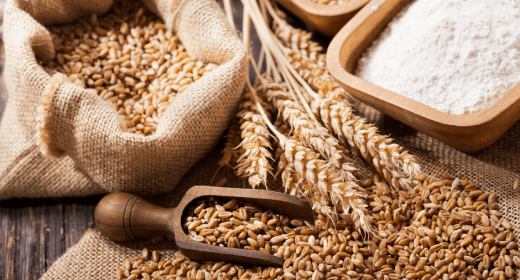
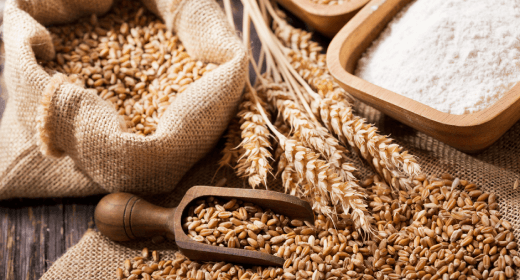
Wheatgrass is the fresh shoots of the wheat plant harvested before the grain sprouts. Although unusual, it is a common meal component for cats. Wheatgrass is rich in protein, carotene, and vitamins A, E, and C, making it an added source of nutrition for cats. Cats often nibble on wheatgrass and leafy greens to improve their digestion as fibres present in these plants aid in smoother bowel movement. However, it is important to ensure that your cat only feeds on organic and pesticide-free wheatgrass.
Generally, all cats that are not allergic to wheatgrass can easily digest and benefit from its nutritional value of it. Wheatgrass for cats is a good source of vitamins, protein, and other essential nutrients. The fibre and selenium help in improving the cat’s gut health. However, you should identify if your kitty is allergic to wheatgrass before letting it nibble on wheatgrass. The following are some signs that will help you identify if your cat is allergic to wheatgrass:
Even if your cat is not allergic to wheatgrass, you must limit its consumption to less than 10% of its total caloric consumption. Wheat for cats is best served every alternate day instead of daily.
While everyone knows wheatgrass for cats is beneficial for digestion, there are various other benefits of wheatgrass as well. The following are some of the many benefits of wheatgrass for cats:
While there are many advantages of wheatgrass and wheat for cats, there are a few considerations and disadvantages as well. Some of the demerits of excessive munching on wheatgrass for cats are as follows:
Most cat parents have a hard time differentiating between cat grass and wheatgrass. If you are one of them, fret not. We will understand the difference between the two in this section.
Cat food brands often market wheatgrass as cat grass. However, you must note that cat grass can be any grass, from barley and oats to wheatgrass and fescue. So, if you see a pack of cat food that says cat grass, check its label. Moreover, ensure that you opt for brands that use organic ingredients.
Now that you know of the benefits of wheatgrass for cats, you can start adding the regulated amount of wheatgrass to their diet. Please consult a veterinarian before deciding to serve wheat or wheatgrass to your feline friend.
If your cat has been munching on wheatgrass or grass more than usual, it might be facing some gastrointestinal issues. It is best to consult a veterinarian to ensure their physical well-being.
Yes, cats can digest baked or cooked wheat products and wheat bran.
Total consumption of wheatgrass for cats should limit to 10% or lesser of their total caloric diet.
Yes, wheatgrass improves indoor cats’ vision, immunity, and oral as well as gastrointestinal health, and helps keep their weight in check.
Cat grass are cereal grasses that cats much on. Wheatgrass is a type of cat grass.
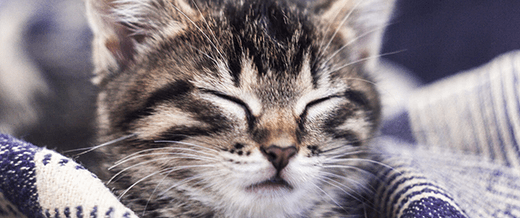
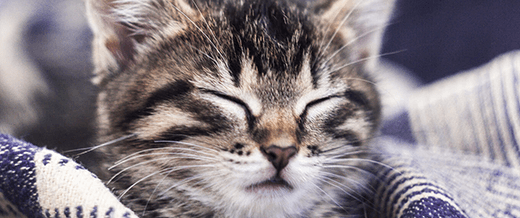
Kittens are super adorable, and it is wonderful to have one as a pet. While it’s fun to have a kitten at home, it’s important to understand your kitten’s various needs during the different stages of its life and take care of it in the right way. ‘How to take care of kittens’ is a question that most first-time kitten owners ask. But taking care of newborn kittens can be quite a hassle-free process if you follow a routine and understand a few do’s and don’ts about kitten care. We, at IAMS, are here to help you with this newborn kitten care routine in every way we can.
Kitty care is extremely important to make sure your kitten grows up to be a healthy cat. While in the kitten stage, it is still trying to get used to the new surroundings. Therefore, we recommend that you be by its side and help the little kitten acclimatize to its new house.
A kitten becomes a part of your family right from day one. But raising a kitten might sound like a strenuous job if you’re a new pet parent, but it isn’t. The whole process can be quite fun and will help you bond with your kitten.
So, you want to know how to take care of a newborn kitten but are confused as to which aspects to keep in mind. Here are some of the most important aspects of looking after a kitten are:
It is very crucial to know how to take care of a newborn kitten as a first-time kitten owner. You might not be aware of the growth stages your little feline friend will go through, but it’s very important to understand them. So, here’s a table that can help you with the same:
| Growth stage | 0-2 weeks (Neonatal) | 2-7 weeks (Socialization) | 7-14 weeks (Most Active Period) | 3-6 months (Ranking Period) | 6-18 months (Adolescence) |
|---|---|---|---|---|---|
| Character traits | Learns to incline towards sounds | Learns to socialize | This is the most active play period of your kitten | In this stage, the kitten gets most influenced by other kittens in their litter or even other animals. | Asserts maximum dominance in this stage. |
| Eyes start to open by this time | Senses of smell and hearing are fully developed by the 4th week | Starts expressing affection through hugging and licking | Starts understanding and asserting ranks on people it lives with. | Exhibits sexual behavior if not spayed. | |
| If the kitten is separated from its mother or siblings, it may tend to get aggressive towards people and other cats. | Sight is fully developed by the 5th week, and they can run and pounce without colliding with obstacles | Can paw, mouth, and hold objects as well | |||
| Starts grooming itself | Also starts chasing its tail and starts pouncing and leaping around | ||||
| Starts developing sleep patterns, motor abilities and interactions |
Tips For 1st-time Cat Owners
Here are a few tips for first-time cat owners on how to take care of a kitten: