Enter a keyword below to search for articles and products.
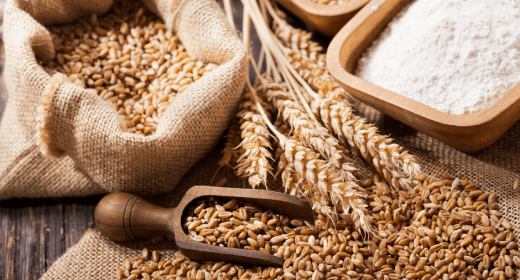
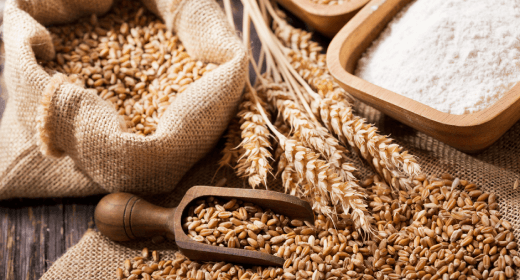
Wheatgrass is the fresh shoots of the wheat plant harvested before the grain sprouts. Although unusual, it is a common meal component for cats. Wheatgrass is rich in protein, carotene, and vitamins A, E, and C, making it an added source of nutrition for cats. Cats often nibble on wheatgrass and leafy greens to improve their digestion as fibres present in these plants aid in smoother bowel movement. However, it is important to ensure that your cat only feeds on organic and pesticide-free wheatgrass.
Generally, all cats that are not allergic to wheatgrass can easily digest and benefit from its nutritional value of it. Wheatgrass for cats is a good source of vitamins, protein, and other essential nutrients. The fibre and selenium help in improving the cat’s gut health. However, you should identify if your kitty is allergic to wheatgrass before letting it nibble on wheatgrass. The following are some signs that will help you identify if your cat is allergic to wheatgrass:
Even if your cat is not allergic to wheatgrass, you must limit its consumption to less than 10% of its total caloric consumption. Wheat for cats is best served every alternate day instead of daily.
While everyone knows wheatgrass for cats is beneficial for digestion, there are various other benefits of wheatgrass as well. The following are some of the many benefits of wheatgrass for cats:
While there are many advantages of wheatgrass and wheat for cats, there are a few considerations and disadvantages as well. Some of the demerits of excessive munching on wheatgrass for cats are as follows:
Most cat parents have a hard time differentiating between cat grass and wheatgrass. If you are one of them, fret not. We will understand the difference between the two in this section.
Cat food brands often market wheatgrass as cat grass. However, you must note that cat grass can be any grass, from barley and oats to wheatgrass and fescue. So, if you see a pack of cat food that says cat grass, check its label. Moreover, ensure that you opt for brands that use organic ingredients.
Now that you know of the benefits of wheatgrass for cats, you can start adding the regulated amount of wheatgrass to their diet. Please consult a veterinarian before deciding to serve wheat or wheatgrass to your feline friend.
If your cat has been munching on wheatgrass or grass more than usual, it might be facing some gastrointestinal issues. It is best to consult a veterinarian to ensure their physical well-being.
Yes, cats can digest baked or cooked wheat products and wheat bran.
Total consumption of wheatgrass for cats should limit to 10% or lesser of their total caloric diet.
Yes, wheatgrass improves indoor cats’ vision, immunity, and oral as well as gastrointestinal health, and helps keep their weight in check.
Cat grass are cereal grasses that cats much on. Wheatgrass is a type of cat grass.
Understanding and learning how to decipher kitten food product codes will help you choose the right kitten food. While selecting the right ingredients is important, making sure those ingredients are fresh is just as vital to your young cat. Learn how to read the product codes of kitten food packages and cans with our handy guide.
A product code is a series of numbers and letters printed on the outer package of each product a manufacturer produces. This code provides information about when and where the kitten food was made.
As part of the product code, IAMS™ products include a “Best Used By” date, or the date at which the product is no longer considered fresh and should no longer be sold. This date is expressed in “ddmmyy” and “ddmmmyy” formats.
The second line of the product code represents company internal information for use in traceability and inventory control.
Line 1: (ddmmyy) (ddmmmyy)
Example: 040220 04FEB20
Line 2: 60351111## QQQQQQQ
This product should be used before February 4, 2020.
Depending on the production line, pouch products* may have code date information in a single or double line. By recognizing and understanding these codes, customers can make sure they are receiving a fresh product.
Shelf life is the duration, measured in months, during which a properly stored kitten food product maintains its freshness. This means if a product has a 16-month shelf life, it is fresh for up to 16 months from the date of manufacture.
The shelf life for IAMS dry kitten foods is 16 months. All canned formulas have a shelf life of 24 months.
Unopened dry kitten food products are best stored off the floor in a cool, dry place. Open bags of kitten food should be stored in a clean, dry container with a tight seal. Dry kitten food products may also be frozen without loss of nutrients.
Opened wet kitten food products are best kept refrigerated in tightly sealed containers for no more than three days after the container has been opened. Wet products should not be frozen in unopened cans. However, wet kitten foods can be frozen if removed from the container, packed in freezer containers and frozen immediately.
*IAMS has no kitten pouch products at this time.