Enter a keyword below to search for articles and products.
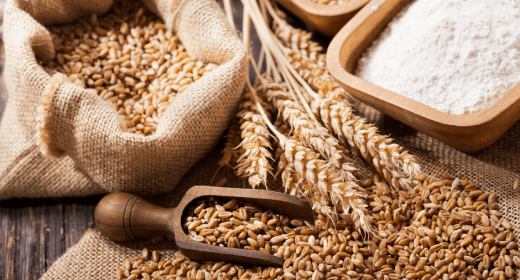
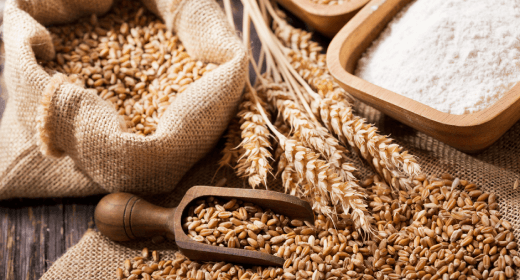
Wheatgrass is the fresh shoots of the wheat plant harvested before the grain sprouts. Although unusual, it is a common meal component for cats. Wheatgrass is rich in protein, carotene, and vitamins A, E, and C, making it an added source of nutrition for cats. Cats often nibble on wheatgrass and leafy greens to improve their digestion as fibres present in these plants aid in smoother bowel movement. However, it is important to ensure that your cat only feeds on organic and pesticide-free wheatgrass.
Generally, all cats that are not allergic to wheatgrass can easily digest and benefit from its nutritional value of it. Wheatgrass for cats is a good source of vitamins, protein, and other essential nutrients. The fibre and selenium help in improving the cat’s gut health. However, you should identify if your kitty is allergic to wheatgrass before letting it nibble on wheatgrass. The following are some signs that will help you identify if your cat is allergic to wheatgrass:
Even if your cat is not allergic to wheatgrass, you must limit its consumption to less than 10% of its total caloric consumption. Wheat for cats is best served every alternate day instead of daily.
While everyone knows wheatgrass for cats is beneficial for digestion, there are various other benefits of wheatgrass as well. The following are some of the many benefits of wheatgrass for cats:
While there are many advantages of wheatgrass and wheat for cats, there are a few considerations and disadvantages as well. Some of the demerits of excessive munching on wheatgrass for cats are as follows:
Most cat parents have a hard time differentiating between cat grass and wheatgrass. If you are one of them, fret not. We will understand the difference between the two in this section.
Cat food brands often market wheatgrass as cat grass. However, you must note that cat grass can be any grass, from barley and oats to wheatgrass and fescue. So, if you see a pack of cat food that says cat grass, check its label. Moreover, ensure that you opt for brands that use organic ingredients.
Now that you know of the benefits of wheatgrass for cats, you can start adding the regulated amount of wheatgrass to their diet. Please consult a veterinarian before deciding to serve wheat or wheatgrass to your feline friend.
If your cat has been munching on wheatgrass or grass more than usual, it might be facing some gastrointestinal issues. It is best to consult a veterinarian to ensure their physical well-being.
Yes, cats can digest baked or cooked wheat products and wheat bran.
Total consumption of wheatgrass for cats should limit to 10% or lesser of their total caloric diet.
Yes, wheatgrass improves indoor cats’ vision, immunity, and oral as well as gastrointestinal health, and helps keep their weight in check.
Cat grass are cereal grasses that cats much on. Wheatgrass is a type of cat grass.
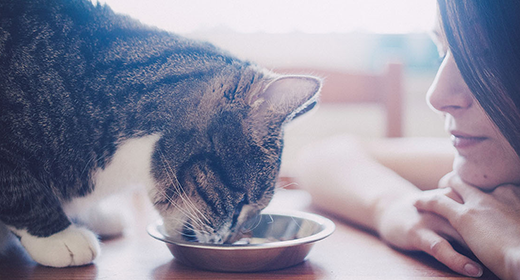
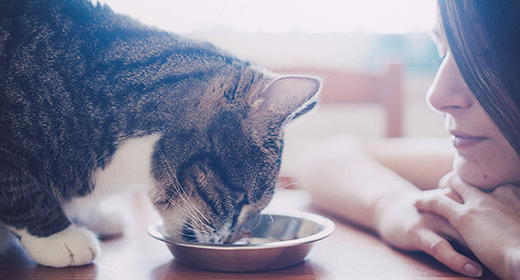
Why move your nearly grown kitten to a premium adult cat food? Because quality counts. It's crucial to continue the superb nutrition she's been getting from a premium kitten food into adulthood. Downgrading to a basic nutrition brand at this stage of her life may upset her digestive system and certainly won't provide her with the same type of nutrition she was raised on.
Think of a baby. When it's time to start giving him solid food, you wouldn't feed your child anything less than the best nutrition you can buy. The same is true for your maturing kitten. She needs the best age-appropriate food there is to help maintain overall health. Premium foods such as IAMS are formulated to meet all her needs and provide additional benefits.
They're specifically designed to provide your cat with a formula that features:
High-quality ingredients
Balanced, optimal levels of protein, fat, moderately fermentable fiber, carbohydrates, vitamins, and minerals, which make costly supplements unnecessary
High-quality recipes and great taste
Standards that meet or exceed Association of American Feed Control Officials standards
Nutrient-dense formulas that are right for each life stage
Product guarantees
What do all of these features add up to? A happy, healthy cat. With premium cat food, you can expect to see these important indicators of good health. They contribute to providing your cat with a long, healthy life:
Exceptional muscle tone
A shiny, luxurious coat
Healthy skin and bones
Clear, bright eyes and clean teeth
Small, firm stools
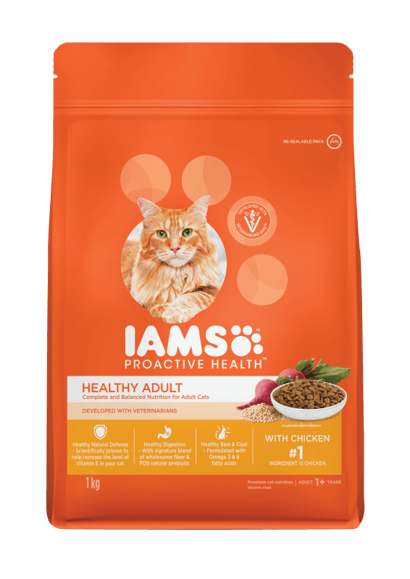
Founded upon decades of research, premium formulas from IAMS help maintain your cat's health and help provide him with the nutrition he needs for a long life. Generic brands simply may not match the level of expertise that goes into every bag of IAMS cat food.
When your cat is about 12 months of age, it's time to change her diet to a premium maintenance formula. When you transition your cat to an adult diet, it's important to monitor her weight and body condition and adjust portions if necessary.
Because cats generally eat only what they need, free-choice feeding is adequate for most cats. (Free-choice makes food available to your cat around the clock and lets her eat when and how much she needs.) Indoor cats that don't get much exercise, however, may overeat if fed free-choice. For them, portion-controlled feeding twice a day is a better routine.
To determine how much food to give your cat, check the recommendations of the pet food manufacturer on the label. Use the guidelines and weigh your cat on a weekly basis. If your cat is gaining or losing weight and shouldn't be, slightly adjust her daily intake and weigh her again the following week.
To avoid intestinal upsets, make the change from a kitten formula to an adult diet over a period of four days with the following method:
Day One: Fill your cat's dish with 75% kitten food and 25% adult food.
Day Two: Mix adult and kitten food in a 50/50 ratio.
Day Three: Feed your cat a mixture that's 75% adult food and 25% kitten food.
Day Four: Switch to 100% adult formula.