IAMS PH
What You Should Know About Changing Your Cat’s Diet

adp_description_block342
Wheatgrass & Wheat For Cats

  • Share

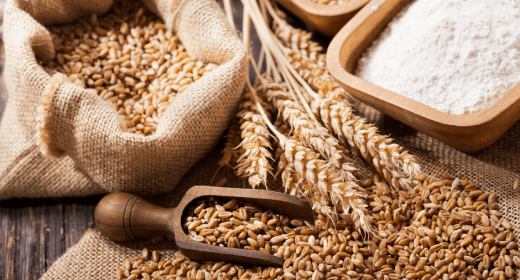
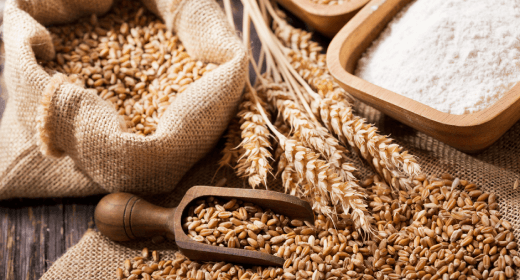
Wheatgrass is the fresh shoots of the wheat plant harvested before the grain sprouts. Although unusual, it is a common meal component for cats. Wheatgrass is rich in protein, carotene, and vitamins A, E, and C, making it an added source of nutrition for cats. Cats often nibble on wheatgrass and leafy greens to improve their digestion as fibres present in these plants aid in smoother bowel movement. However, it is important to ensure that your cat only feeds on organic and pesticide-free wheatgrass.

Is cat wheatgrass suitable for all cats?

Generally, all cats that are not allergic to wheatgrass can easily digest and benefit from its nutritional value of it. Wheatgrass for cats is a good source of vitamins, protein, and other essential nutrients. The fibre and selenium help in improving the cat’s gut health. However, you should identify if your kitty is allergic to wheatgrass before letting it nibble on wheatgrass. The following are some signs that will help you identify if your cat is allergic to wheatgrass:

  1. Excessive drooling
  2. Crusty papules
  3. Shedding
  4. Rashes

Even if your cat is not allergic to wheatgrass, you must limit its consumption to less than 10% of its total caloric consumption. Wheat for cats is best served every alternate day instead of daily.

The benefits of wheatgrass for cats

While everyone knows wheatgrass for cats is beneficial for digestion, there are various other benefits of wheatgrass as well. The following are some of the many benefits of wheatgrass for cats:

  1. Weight loss: Cats are inherently carnivorous animals who hunt their prey in the wild. However, domesticated cats have no need to hunt which has led to a drastic increase in their weight. Snacking on wheatgrass while changing the cat’s diet helps in managing their weight better.
  2. Better immunity: One of the many benefits of wheatgrass for cats lies in its nutritional value. The amount of minerals, vitamins, fibre, and protein present in wheatgrass positively impacts the cat’s immunity system.
  3. Oral health: Cat wheatgrass is a healthier snacking option that cats can nibble on without damaging their teeth. Regular snacks can lead to tooth decaying of the kitty’s tooth. Switching to wheat snacks and wheatgrass can improve their dental and oral health as it is organic and healthier.
  4. Antiaging: Chlorophyll present in wheatgrass is known for being a blood booster. This component present in the wheatgrass works as an antiaging component. Consuming wheatgrass helps increase potent blood and makes your cat look and feel younger.
  5. Healthy kidney: Cats rely more on wheat, wheatgrass, and a greener diet when dealing with digestive and gastrointestinal issues. If you notice your cat munching on wheatgrass for cats then they might be dealing with some gut, digestive, or kidney-related issues. Hence, providing snacks such as wheat for cats helps you identify if your kitty needs a veterinarian’s appointment at the earliest for diagnosing their gastrointestinal and kidney health.
  6. Improved vision: Cat wheatgrass contains vitamins A, E, and C. Vitamin A is closely associated with improving vision. Therefore, munching on cat wheatgrass can improve your cat’s vision.

Disadvantages of wheatgrass for cats

While there are many advantages of wheatgrass and wheat for cats, there are a few considerations and disadvantages as well. Some of the demerits of excessive munching on wheatgrass for cats are as follows:

  1. Cats are carnivorous animals. Snacking on wheatgrass and wheat more than usual can cause harm to their overall health.
  2. Consuming too much wheatgrass can lead to diarrhoea and vomiting. Please consult a veterinarian doctor at the earliest if you notice your kitty excessively vomiting or pooping.

Cat grass vs wheatgrass

Most cat parents have a hard time differentiating between cat grass and wheatgrass. If you are one of them, fret not. We will understand the difference between the two in this section. 

Cat food brands often market wheatgrass as cat grass. However, you must note that cat grass can be any grass, from barley and oats to wheatgrass and fescue. So, if you see a pack of cat food that says cat grass, check its label. Moreover, ensure that you opt for brands that use organic ingredients.

Now that you know of the benefits of wheatgrass for cats, you can start adding the regulated amount of wheatgrass to their diet. Please consult a veterinarian before deciding to serve wheat or wheatgrass to your feline friend.

Frequently asked questions

  1. Why is my cat obsessed with wheatgrass?
  2. If your cat has been munching on wheatgrass or grass more than usual, it might be facing some gastrointestinal issues. It is best to consult a veterinarian to ensure their physical well-being.

  3. Can cats eat whole wheat?
  4. Yes, cats can digest baked or cooked wheat products and wheat bran.

  5. How much wheatgrass can a cat eat?
  6. Total consumption of wheatgrass for cats should limit to 10% or lesser of their total caloric diet.

  7. Is wheatgrass good for indoor cats?
  8. Yes, wheatgrass improves indoor cats’ vision, immunity, and oral as well as gastrointestinal health, and helps keep their weight in check.

  9. Is wheatgrass and cat grass the same?
  10. Cat grass are cereal grasses that cats much on. Wheatgrass is a type of cat grass.

  • cat article detail banner
    cat article detail banner mobile
    adp_description_block384
    4 Kitten Feeding Tips for Raising a Healthy Kitten: A Guide to Feeding and Nutrition

    • Share

    As a new pet parent, one of the most important things you need to understand is how to properly feed your kitten. It is crucial to ensure that your furry friend receives proper nutrition as per the changing needs. In this article, we will provide valuable kitten feeding tips to help new pet parents determine the right amount of food for their kitten, how that amount should change every month, and why it's necessary to continuously evaluate the kitten's feeding needs as they grow. Whether you are a first-time pet parent or simply need a refresher on kitten nutrition, this guide will provide the necessary information to ensure your kitten is well nourished and healthy.


    A comprehensive feeding chart for your kitten's nutritional needs

    As you start to feed your kitten, it's essential to understand how much food they need at each stage of their growth. To help you with this, we have created a feeding chart showing the recommended daily food intake based on a kitty’s age. Here's a quick look at the chart:

    Age

    Ration

    0 to 4 weeks

    Breast feeding

    1 to 6 months

    Feeding with specialized feed for kittens 4-5 times a day

    6 to 12 months

    A gradual decrease in the frequency of feeding

    12 months and further

    Full transfer to the feeding plan for an adult cat: wet food in the morning and evening; dry food and water always available in a bowl

    As you can see from the chart, the recommended daily feeding for kittens can vary greatly depending on their weight and age. Remember that this is a general guide, and your kitten's needs may differ.


    4 kitten feeding tips: How often should you feed your new fur baby?

    When it comes to feeding kittens, it's essential to understand that their nutritional needs change as they grow. Here are a few pointers to keep in mind when it comes to feeding your kitten:

    1. Kittens should be fed three to four small meals daily rather than one or two large meals. This helps maintain their blood sugar levels and prevents them from getting too hungry between meals.
    2. Kittens should be fed a diet high in protein and fat and low in carbohydrates. Wet food is the best option as it contains more protein and moisture than dry food.
    3. Kittens under six months of age should be fed a diet specifically formulated for growth and development. After six months, you can start transitioning them to an adult diet.
    4. Be mindful of the ingredients you are feeding your kitten as some can cause allergic reactions or stomach upset. For example, avoiding foods containing artificial preservatives, fillers, and by-products is ideal for cats.

    When it comes to a feeding schedule, here are 4 kitten feeding tips to keep in mind:

    1. Start with a consistent schedule. For example, feed your kitten at the same time every morning and evening.
    2. Gradually adjust the feeding schedule as your kitten grows. For example, if you start feeding them three small meals per day when they are kittens, you can provide them two meals per day when they are adult cats.
    3. Be flexible with your feeding schedule. Some kittens may need more food than others, and some kittens may be hungrier at certain times of the day.
    4. Keep an eye on your kitten's weight and adjust their feeding schedule as and when required. If your kitten looks thin or skinny, they likely need to be fed more. On the other hand, if your kitten looks overweight or chubby, they likely need to be fed less.

    Properly feeding your kitten is crucial for their overall health and development. Our basic kitten feeding tips include understanding their nutritional needs and providing a balanced diet tailored to their growth stage. Keep in mind that kittens have different dietary requirements than adult cats, so it is recommended to consult with a veterinarian for personalized advice and to ensure your kitten's nutritional needs are met.

    Kitten Basics: 4 Kitten-feeding Tips
    Kitten Basics: 4 Kitten-feeding Tips
Close modal