Enter a keyword below to search for articles and products.


Wheatgrass is the fresh shoots of the wheat plant harvested before the grain sprouts. Although unusual, it is a common meal component for cats. Wheatgrass is rich in protein, carotene, and vitamins A, E, and C, making it an added source of nutrition for cats. Cats often nibble on wheatgrass and leafy greens to improve their digestion as fibres present in these plants aid in smoother bowel movement. However, it is important to ensure that your cat only feeds on organic and pesticide-free wheatgrass.
Generally, all cats that are not allergic to wheatgrass can easily digest and benefit from its nutritional value of it. Wheatgrass for cats is a good source of vitamins, protein, and other essential nutrients. The fibre and selenium help in improving the cat’s gut health. However, you should identify if your kitty is allergic to wheatgrass before letting it nibble on wheatgrass. The following are some signs that will help you identify if your cat is allergic to wheatgrass:
Even if your cat is not allergic to wheatgrass, you must limit its consumption to less than 10% of its total caloric consumption. Wheat for cats is best served every alternate day instead of daily.
While everyone knows wheatgrass for cats is beneficial for digestion, there are various other benefits of wheatgrass as well. The following are some of the many benefits of wheatgrass for cats:
While there are many advantages of wheatgrass and wheat for cats, there are a few considerations and disadvantages as well. Some of the demerits of excessive munching on wheatgrass for cats are as follows:
Most cat parents have a hard time differentiating between cat grass and wheatgrass. If you are one of them, fret not. We will understand the difference between the two in this section.
Cat food brands often market wheatgrass as cat grass. However, you must note that cat grass can be any grass, from barley and oats to wheatgrass and fescue. So, if you see a pack of cat food that says cat grass, check its label. Moreover, ensure that you opt for brands that use organic ingredients.
Now that you know of the benefits of wheatgrass for cats, you can start adding the regulated amount of wheatgrass to their diet. Please consult a veterinarian before deciding to serve wheat or wheatgrass to your feline friend.
If your cat has been munching on wheatgrass or grass more than usual, it might be facing some gastrointestinal issues. It is best to consult a veterinarian to ensure their physical well-being.
Yes, cats can digest baked or cooked wheat products and wheat bran.
Total consumption of wheatgrass for cats should limit to 10% or lesser of their total caloric diet.
Yes, wheatgrass improves indoor cats’ vision, immunity, and oral as well as gastrointestinal health, and helps keep their weight in check.
Cat grass are cereal grasses that cats much on. Wheatgrass is a type of cat grass.
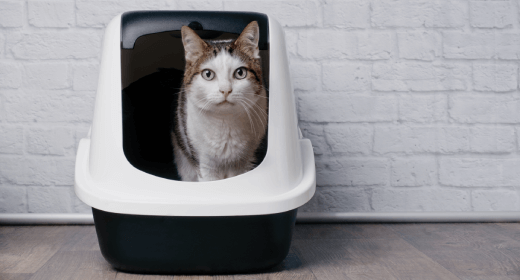
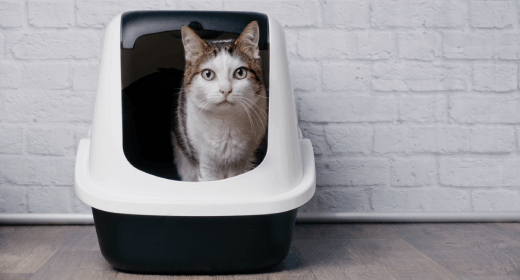
UTI, also known as Urinary Tract Infections, are any infection in the urinary system. Such infections are not common in cats. In fact, not every cat with UTI symptoms has a urinary tract infection. According to NCBI, only one to two percent of cats suffer from urinary tract infections. However, UTIs resemble several other feline diseases; hence, it is imperative to visit a vet for further diagnosis.
Since Urinary Tract Infections can cause severe pain and discomfort, every cat parent must learn about cat UTI symptoms. Here are a few major UTI symptoms in cats:
Blood in the urine
Constant licking of the urinary opening
Crying out while passing urine
Urinating outside the litter box
In order to diagnose UTI in cats, veterinarians first test urine samples. This test helps them detect any bacteria in the urine. Doctors directly draw urine from the bladder with a needle to avoid contamination. Once the urine sample is tested, the vet will then isolate the bacteria to study it further. This step is called the Culture and Sensitivity test. It helps determine the right medicines based on the cat's infection.
First-time infections or acute infections are generally cured using broad-spectrum antibiotics. However, if your cat is suffering from a chronic infection, the vet might recommend additional tests to start bacteria-specific medication.
There are multiple factors that can lead to UTI in cats. Let's explore a few common causes of cat UTI:
Replacement of the urinary catheter
Bladder stone
Issues with the cat's gastrointestinal tract
Although UTI is rare in cats, it's best to take the right measures to prevent it at all costs. Here are a few points on how to prevent UTI in cats:
There are multiple cat UTI home remedies like cranberry juice, apple cider vinegar, bone broth, etc. And most of them are believed to alleviate the symptoms of UTI. However, we do not know if these remedies heal you completely. Hence, it is best to consult a veterinary doctor for cat UTIs. Moreover, in some cases, especially if left untreated, UTIs can be recurrent. The vet will provide the right medication to get rid of the bacteria.