Enter a keyword below to search for articles and products.


What is the first thing that comes to your mind when you hear the word ‘cat’? It's probably a cat covered in smooth and shiny fur, right? Not only does it look majestic, but every time we pet a cat, it also feels like we are running our fingers through silk. A shiny coat is no less than a divine blessing. However, this heaven-sent beauty can lose its shine if you stop taking care of it. While grooming plays a vital role in maintaining healthy cat fur, there are multiple other factors that influence its look and feel. If you are not aware of how to care for shiny cat fur, continue reading. This article covers everything around cat fur health.
If your cat’s fur looks dull, instead of directly jumping on to quick fixes, try understanding its cause. Here are a few common reasons why cat fur loses its shine:
Now that you know the causes of dull cat coats, you can work towards bringing its shine back. Here are a few ways to make cat fur shiny:
Use the right shampoo: Picking the right shampoo is imperative, especially because the wrong ones can strip off a cat’s natural skin oil and damage the fur.
Avoid excessive bathing: Frequent bathing can lead to dry and flaky skin. Hence, do not make your cat take a dip unnecessarily.
Follow a healthy diet: We all know that hair strands are 90% protein. Hence, providing protein-rich meals becomes vital for maintaining a shiny cat coat.
Skin is the largest organ. And with cats, this organ is generally fully covered with fur. They shed and regrow hair strands multiple times in their entire lifetime. However, a poor diet can slow down the regrowth process. Basically, lack of nutrition can eventually lead to bald spots. A diet that not only includes high-quality protein but also vitamins, minerals, good fats, and other nutrients will fast-track the hair growth process, maintain a shiny coat, and strengthen the immune system.
IAMS™ Proactive Health™ Indoor Weight & Hairball Care cat food is loaded with omega-3 and 6 fatty acids to give your cat a shiny and healthy coat. Other essential nutrients like proteins, vitamins, and minerals in this premium cat food support your feline friend’s overall health.
Cats can lose their coat’s shine due to multiple factors. Here are a few common reasons why your cat’s coat is not shiny:
Maintaining a healthy and shiny cat coat boils down to two things – hygiene and nutrition. As a cat parent, you must ensure that your feline friend doesn’t groom itself too frequently. However, you cannot neglect hygiene either. Based on its lifestyle and vet recommendation, make sure that your cat doesn’t over or under groom. Moreover, follow a nourishing diet that is packed with proteins, vitamins, minerals, and omega-3 fatty acids. Not only will it maintain your cat's shiny fur but it will also boost healthy hair regrowth.
Although applying oil on your cat’s fur might not do any harm, it is best to consult your veterinarian regarding the same.
Cats’ fur can say a lot about their overall health. If your feline friend is nourished and healthy from within, it will be reflected through its skin and coat. So make sure that your cat receives nutrients like proteins, vitamins, minerals, and omega-3 fatty acids in the right quantities to help maintain a cat's coat.
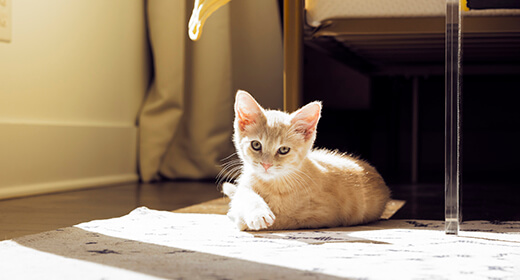
Bringing a new kitten home can be exciting, especially if it is your first time. The day you have been looking forward to has finally arrived and you are ready to take on your responsibilities as a cat parent! However exciting it may be to embark on this journey, a caregiver should not forget to prepare their home for a kitten’s first day and night.
Start establishing a routine during your kitten’s first week at home. For instance, start taking it to the vet, and introduce it to friends, family, and other pets. You should also be fully prepared for its first outings once it is fully vaccinated. Lastly, kitten-proofing your home is highly recommended. Bringing a kitten home is no different than bringing a baby home. As a caregiver, you should put away all hazardous items in the house and create a safe space for your kitten.
For caregivers who are bringing a new kitten home, this article is the ideal read! Here’s what you need to know about introducing a new kitten to your home.
There are multiple things you need to do before getting a kitty into your house. For example, you must find a credible veterinarian in your vicinity. Especially because you have to take your newborn cat to the vet as soon as you adopt it. So, let’s explore other crucial steps to take before bringing a kitten home:
Kittens are tiny and delicate; hence, anything that can hurt or harm them should be put away. Make sure you have set up a sleeping space for your kitten, a food bowl, and a water bowl. Apart from that, place one or more litter boxes around your house depending on the size of your home. Make sure you cover any sharp edges of your furniture and don’t expose your kitten to any dangerous figures. Moreover, keep harmful plants and any toxic substances out of its reach.
For the first few nights, it is normal for kittens to be anxious. It will take some time for a new kitten to get used to its new home. It is also normal for your kitten to cry for the first few nights. You can make this experience better for it by setting up a cozy sleeping space. Once it gets comfortable in the new home, the kitty can even sleep for up to 20 hours a day.
It is not recommended to suddenly change your kitten’s food. Thus, find out what was it being fed by its previous caretaker. Stick to that meal plan for a few days and then gradually start changing your kitten’s diet. The best person to give you any advice on the right diet for kitties is a vet. Visit a veterinarian to receive a comprehensive feeding chart for your feline friend’s diet. For kittens between two to 12 months of age, IAMS Proactive Health Mother And Kitten dry food is ideal. It is loaded with protein, omega-3 fatty acids, vitamins, and minerals to support healthy brain and eye development. This kitten food also contains colostrum and DHA – two essential nutrients that provide immunity and protection against diseases.
Now, let’s take a deep dive into understanding the things that must be done once you have brought the kitty home:
The first step at this stage is to introduce your new feline friend to its new family. Kittens can feel nervous around strangers; hence, familiarizing them with their new family is imperative. Ensure that the atmosphere is calm and not too loud as they tend to get anxious. Your kitten should be handled gently if being picked up by anyone. Give your kitten the space it requires and let it explore the house by itself.
If you have any other pets or more cats, introducing your new kitten to the rest of them is important. After all, they have to coexist and should get along as soon as possible. The best way to make them accustomed to each other is through scent. Keep switching sleep blankets so your pets can get used to being around each other. You can also place one pet’s towel under the other’s food dish. By doing this, all your pets will slowly get used to the new kitten.
Maintaining your kitten’s health is a priority. One of the most important things to do as soon as you bring a new kitten home is to set up a vaccination plan with the vet. Hence, make sure you visit a veterinarian at the earliest. Stay consistent with all vaccination doses for your kitten’s overall well-being. Later on, start taking your pet for regular medical check-ups. The doctor will examine your kitten’s weight, teeth, ears, etc. to gauge its nutritional needs.
Once your kitten starts feeling a little comfortable in your house, it will start exploring the space. If you see your kitten roaming around, it is great news. This means that it has started trusting the people and environment. However, make sure your kitty doesn’t get hurt while exploring its new home. You also don’t want to keep interrupting your pet to protect it from sharp edges. Hence, do not skip on kitten proofing your house. When your kitten gets up to move around, resist the urge to cuddle; let it explore and find the most comfortable spot for itself.
We all know that a new kitten requires some time and space to adjust to its new surroundings. However, once your new feline friend is all settled in, you can start playing basic games with it. For instance, play with a string. Cats love to play hide and seek or peek-a-boo. Start rewarding it with treats when it plays with you. It will soon start trusting you. And when your kitty rubs its body against you, licks your hand, or shows any form of affection, you will know that you have earned its trust.