IAMS PH
Why Nutrition in Cat Food Is Key for Shiny Coat

adp_description_block428
Comprehensive Guide to Maintain a Shiny Cat Coat

  • Share

What is the first thing that comes to your mind when you hear the word ‘cat’? It's probably a cat covered in smooth and shiny fur, right? Not only does it look majestic, but every time we pet a cat, it also feels like we are running our fingers through silk. A shiny coat is no less than a divine blessing. However, this heaven-sent beauty can lose its shine if you stop taking care of it. While grooming plays a vital role in maintaining healthy cat fur, there are multiple other factors that influence its look and feel. If you are not aware of how to care for shiny cat fur, continue reading. This article covers everything around cat fur health.
 

Why isn’t your cat’s coat shiny?

If your cat’s fur looks dull, instead of directly jumping on to quick fixes, try understanding its cause. Here are a few common reasons why cat fur loses its shine:
 

  1. Poor diet

    When it comes to maintaining a cat’s lustrous fur, diet is key. In fact, along with keeping your cat's coat shiny, a balanced and complete diet will also ensure its overall well-being. So, make sure that you go for cat foods that are loaded with proteins, carbohydrates, vitamins, minerals, and fats.
  2. Frequent bathing

    We have all seen our hair get damaged due to excessive washing. But did you know? Cats' fur too loses its charm after frequent bathing. That's because overbathing leads to the loss of natural skin oils that keep your feline friend's coat shiny.
  3. Age

    Cats are pretty self sufficient when it comes to grooming. As a caretaker, you do not have to bathe your purrfect pal regularly to follow basic hygiene. However, old-age affects their flexibility, which hinders cats' grooming sessions. So next time your cat chooses to put its natural grooming equipment to use, make sure you assist it. However, lack of flexibility isn't always a sign of old-age. Overweight cats too cannot reach every area of their body. If your cat is obese, create a healthy weight loss plan with your vet.
  4. Medical issues

    If none of the aforementioned factors have caused lacklustre to your cat's coat, the next plausible reason would be a medical condition. Cats lose their coat's shine due to serious health issues like diabetes, parasites, infections, and allergies. In case you suspect that your cat's dull coat is a sign of illness, consult a vet immediately.

How to make a cat’s fur shiny again?

Now that you know the causes of dull cat coats, you can work towards bringing its shine back. Here are a few ways to make cat fur shiny:

  • Brush the coat regularly: Brushing gets rid of dead strands and stimulates hair follicles. Moreover, it also helps spread natural skin oils to the coat, giving you a shiny cat fur.
  • Use the right shampoo: Picking the right shampoo is imperative, especially because the wrong ones can strip off a cat’s natural skin oil and damage the fur.

  • Avoid excessive bathing: Frequent bathing can lead to dry and flaky skin. Hence, do not make your cat take a dip unnecessarily.

  • Follow a healthy diet: We all know that hair strands are 90% protein. Hence, providing protein-rich meals becomes vital for maintaining a shiny cat coat. 
     

How and why nutrition is important for a cat’s coat and skin?

Skin is the largest organ. And with cats, this organ is generally fully covered with fur. They shed and regrow hair strands multiple times in their entire lifetime. However, a poor diet can slow down the regrowth process. Basically, lack of nutrition can eventually lead to bald spots. A diet that not only includes high-quality protein but also vitamins, minerals, good fats, and other nutrients will fast-track the hair growth process, maintain a shiny coat, and strengthen the immune system.

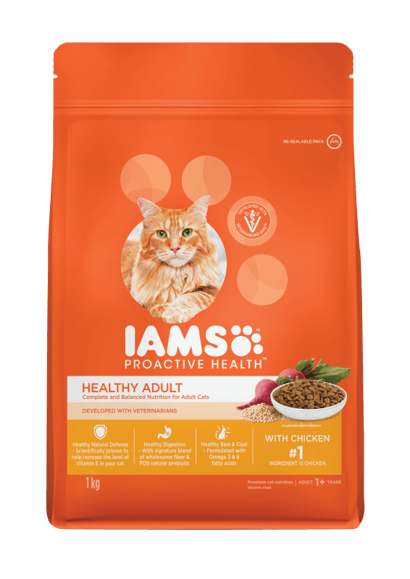
IAMS™ Proactive Health™ Indoor Weight & Hairball Care cat food is loaded with omega-3 and 6 fatty acids to give your cat a shiny and healthy coat. Other essential nutrients like proteins, vitamins, and minerals in this premium cat food support your feline friend’s overall health.


Frequently asked questions

  1. Why is my cat’s fur not shiny?
  2. Cats can lose their coat’s shine due to multiple factors. Here are a few common reasons why your cat’s coat is not shiny:

    • Excessive grooming and bathing
    • Poor diet
    • Wrong shampoo
    • Old age
    • Sudden weight gain
    • Diabetes
    • Allergies
    • Infection

  3. How can I improve my cat’s coat?
  4. Maintaining a healthy and shiny cat coat boils down to two things – hygiene and nutrition. As a cat parent, you must ensure that your feline friend doesn’t groom itself too frequently. However, you cannot neglect hygiene either. Based on its lifestyle and vet recommendation, make sure that your cat doesn’t over or under groom. Moreover, follow a nourishing diet that is packed with proteins, vitamins, minerals, and omega-3 fatty acids. Not only will it maintain your cat's shiny fur but it will also boost healthy hair regrowth.

  5. Can I put oil on my cat’s fur?
  6. Although applying oil on your cat’s fur might not do any harm, it is best to consult your veterinarian regarding the same.

  7. What food helps a cat's coat?
  8. Cats’ fur can say a lot about their overall health. If your feline friend is nourished and healthy from within, it will be reflected through its skin and coat. So make sure that your cat receives nutrients like proteins, vitamins, minerals, and omega-3 fatty acids in the right quantities to help maintain a cat's coat.

  • stomach-issues-in-cats-why-cats-vomit-and-what-to-do-banner
    stomach-issues-in-cats-why-cats-vomit-and-what-to-do-banner
    adp_description_block400
    Stomach Issues in Cats: Why Cats Vomit and What to Do

    • Share

    Stomach Issues


    Every cat owner recognizes the warning signs of an upset feline stomach: the mournful meow, gagging and the heaving retch. But just as suddenly as it began, your cat returns to good health while you’re left scrubbing the carpet.
     

    The scenario is a familiar one for Cynthia Bowen of Cleveland, Ohio. As the owner of four Maine Coons, Bowen has cleaned her share of messes. “It would happen every couple of months or so,' she says. 'Otherwise, they were perfectly healthy.'
     

    Although it's not a pleasant subject, vomiting is something cats seem to do on cue. Many cat owners accept this as a natural part of owning a pet, but it doesn’t have to be that way. Knowing what triggers an upset stomach and what you can do about it will make for a better relationship with your cat.


    Why Cats Vomit

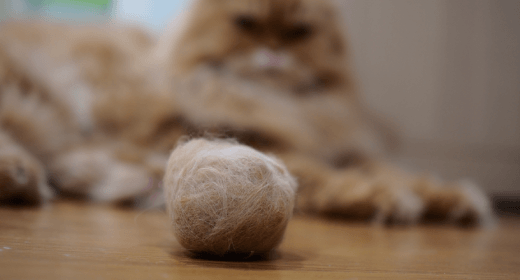
    Many owners attribute their cat’s vomiting to hairballs, but that’s not the only culprit. “It’s careless to assume that most cases of vomiting in cats are due to hairballs,” says Dr. William Folger, a DVM from Houston. Two other frequent causes of an upset stomach are eating too fast and curiosity.


    Eating Too Fast

    Cats sometimes eat too much too fast. When the stomach wall expands too quickly, a signal is sent to the brain to cause regurgitation. In these cases, the mess on your floor is from regurgitation, not actual vomiting. When a cat regurgitates, she brings up fluid and food from her esophagus by opening her mouth — unlike vomiting, which involves gagging and retching.
     

    Regurgitated food is still formed and may smell fermented. “Cats that eat too quickly because they are gluttonous or stressed by food-bowl competition can regurgitate right after eating,” says Dr. Sara Stephens, a DVM from Montana. But don’t assume regurgitation is always a case of eating too quickly. It could be caused by esophageal problems, obstruction of the digestive tract, hairballs or dehydration. If you’ve forced your cat to eat slowly and she still has problems, contact a veterinarian.


    Stomach Issues


    Curiosity

    Grass, carpet and toilet paper are just a few things cats may digest and later vomit. The vomiting is a protective mechanism — nature’s way of cleansing your cat’s system. Sometimes, though, curiosity can lead to more serious problems. String, toy parts and feathers are favorites of playful felines and can lodge in the stomach or intestine, causing repeated vomiting and severe distress. If your cat exhibits these symptoms, take her to a veterinarian immediately. Surgery is often necessary to remove the object.


    When Vomiting in Cats Is Cause for Concern

    Repeated cat vomiting should never be ignored because it can lead to dehydration. But because vomiting is common in cats, how do you know what’s normal? “A general guideline is that if the cat is vomiting one to three times a month, we consider this normal,” says Dr. Folger.
     

    He considers it serious if the vomiting occurs twice daily for two or three days. If your cat stops eating, seems to have stomach pain or retches continuously, or if the vomit is mixed with blood, take her to a veterinarian. And as always, if you’re suspicious that a lingering problem could be harmful to your pet, call your veterinarian. A visit to the office can help relieve your cat’s discomfort and your worries as well.


    Preventing Your Cat from Vomiting

    Often, owners accept their pet’s vomiting as a natural part of their behavior, but just because cats seem to have more than their fair share of stomach issues doesn’t mean you don’t have options.


    Stomach Issues


    Help Your Cat Eat More Slowly

    One simple preventative measure is to get your fast-eating cat to slow down or to simply eat less. Dr. Stephens recommends feeding smaller portions, elevating your cat’s food dish slightly or putting an object, such as a ball, into the dish. The cat will be forced to eat around the ball, thus slowing her intake. If you do this, make sure the ball isn’t small enough to swallow. And you may need to feed cats in a multiple-cat household at different times and places to reduce competitive eating.


    Adjust Your Cat’s Diet

    If simple solutions don’t work, watch your cat’s eating behavior and reactions. Bowen, for example, tried changing her cats’ diets. “Since switching to IAMS™, they rarely throw up,” Bowen says.
     

    “Usually, when you change to a higher-quality diet, there is no problem,” Stephens says. Here are some tips for helping make sure your cat’s food transition is as successful and comfortable as possible:

    • Go slowly. Make the transition gradually to allow your cat time to adjust. “Make sure the cat eats something every day,” Dr. Stephens advises. “A cat that quits eating suddenly can develop liver problems.”
    • Add appeal. Switching from wet to dry food or vice versa should also be done gradually. Many cats find canned food more palatable. If you switch to dry food, add water and warm it slightly for more appeal. Discard uneaten food after 20 minutes to prevent spoilage.
    • Measure up. How much should you feed your cat? Your cat’s age, sex, breed, activity level and overall health need to be taken into consideration. Talk with your veterinarian, and then read the manufacturer’s recommendations. Premium foods like IAMS™ cat foods are more nutrient-dense than many nonpremium diets, so don’t be surprised if the recommended amounts seem low.
    • Pay attention. Beyond careful measuring, also regularly weigh your cat and adjust the feeding amount accordingly after switching to a premium food. Your cat may appear happy if you overfeed her. But over time, she may become overweight.


    If your cat vomits more than three times a month or has chronic stomach issues, you can take several steps to help resolve her discomfort. With your veterinarian’s help and a little effort on your part, your cat’s stomach issues can be a thing of the past.

Close modal