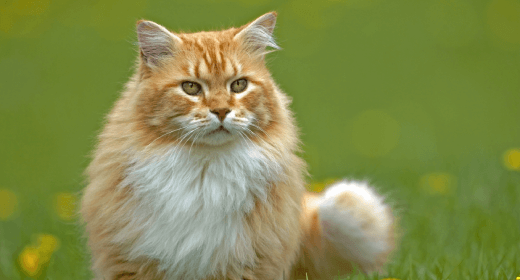
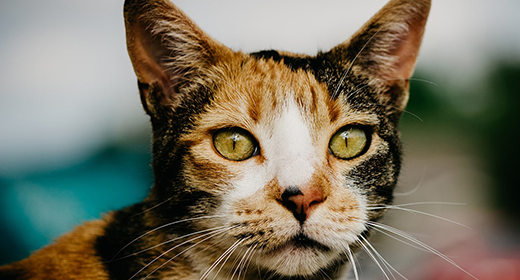
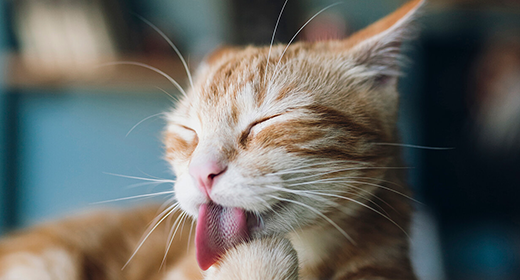
What is the first thing that comes to your mind when you hear the word ‘cat’? It's probably a cat covered in smooth and shiny fur, right? Not only does it look majestic, but every time we pet a cat, it also feels like we are running our fingers through silk. A shiny coat is no less than a divine blessing. However, this heaven-sent beauty can lose its shine if you stop taking care of it. While grooming plays a vital role in maintaining healthy cat fur, there are multiple other factors that influence its look and feel. If you are not aware of how to care for shiny cat fur, continue reading. This article covers everything around cat fur health.
If your cat’s fur looks dull, instead of directly jumping on to quick fixes, try understanding its cause. Here are a few common reasons why cat fur loses its shine:
Now that you know the causes of dull cat coats, you can work towards bringing its shine back. Here are a few ways to make cat fur shiny:
Use the right shampoo: Picking the right shampoo is imperative, especially because the wrong ones can strip off a cat’s natural skin oil and damage the fur.
Avoid excessive bathing: Frequent bathing can lead to dry and flaky skin. Hence, do not make your cat take a dip unnecessarily.
Follow a healthy diet: We all know that hair strands are 90% protein. Hence, providing protein-rich meals becomes vital for maintaining a shiny cat coat.
Skin is the largest organ. And with cats, this organ is generally fully covered with fur. They shed and regrow hair strands multiple times in their entire lifetime. However, a poor diet can slow down the regrowth process. Basically, lack of nutrition can eventually lead to bald spots. A diet that not only includes high-quality protein but also vitamins, minerals, good fats, and other nutrients will fast-track the hair growth process, maintain a shiny coat, and strengthen the immune system.
IAMS™ Proactive Health™ Indoor Weight & Hairball Care cat food is loaded with omega-3 and 6 fatty acids to give your cat a shiny and healthy coat. Other essential nutrients like proteins, vitamins, and minerals in this premium cat food support your feline friend’s overall health.
Cats can lose their coat’s shine due to multiple factors. Here are a few common reasons why your cat’s coat is not shiny:
Maintaining a healthy and shiny cat coat boils down to two things – hygiene and nutrition. As a cat parent, you must ensure that your feline friend doesn’t groom itself too frequently. However, you cannot neglect hygiene either. Based on its lifestyle and vet recommendation, make sure that your cat doesn’t over or under groom. Moreover, follow a nourishing diet that is packed with proteins, vitamins, minerals, and omega-3 fatty acids. Not only will it maintain your cat's shiny fur but it will also boost healthy hair regrowth.
Although applying oil on your cat’s fur might not do any harm, it is best to consult your veterinarian regarding the same.
Cats’ fur can say a lot about their overall health. If your feline friend is nourished and healthy from within, it will be reflected through its skin and coat. So make sure that your cat receives nutrients like proteins, vitamins, minerals, and omega-3 fatty acids in the right quantities to help maintain a cat's coat.
How can you make sure you’re feeding your cat the right food at the right time and in the right quantities? If you’re choosing new cat food, deciding on a feeding schedule, concerned about a food-related health condition, or wondering about supplements or treats, check out our feeding guidelines for cats.
Cats are obligate carnivores, and this means that they cannot survive solely on a plant-based diet as they won’t get all the required nutrients from it. To stay healthy and survive, cats require at least 70% of the nutrients found in animal meat. So, your cat’s diet and choice of food should be prepared accordingly. To start off, you can begin by making a feeding plan for your cats to ensure they get the nutrition they require.
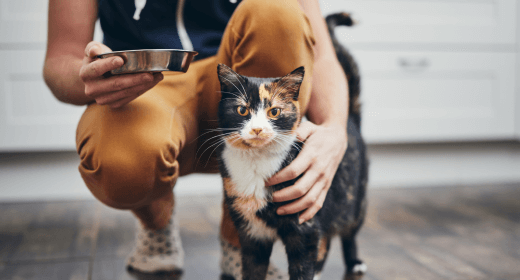
You can divide your cat’s daily diet into two main meals which are spaced no more than 12 hours apart. Alternatively, you can divide the food into multiple meals such as breakfast, lunch, and dinner. However, do ensure that these meals provide the cat with enough calories and other nutrients - not more or less than recommended.
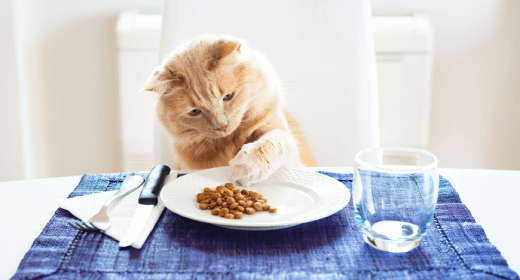
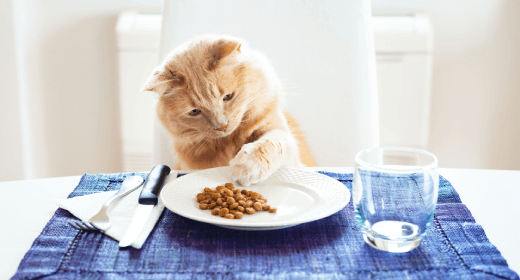
Once your cats are set on a regular feeding schedule, you will slowly begin noticing their usual feeding habits. Habits such as playing with their food, eating alone, and hoarding food are quite normal for cats. So, if you notice any of these, you don’t have to be worried. A few habits that you may have to be mindful of are:
If you notice your cat showing either of these habits, book an appointment with your vet as soon as possible.
Before making a meal plan for your cat, it is important to understand which pet food is right for them. This is because there are a few factors upon which your cat’s basic calorie and nutrient intake depend. While a vet can help you with a detailed cat feeding guide, here is a quick look at factors that you need to keep in mind.
A practical guideline to follow is that kittens should be fed three times a day from weaning (three to six weeks) right up to four months of age. After four months, they should be fed twice a day. Most cats should continue to be fed twice a day throughout their life, although some pets do well with one feeding.
The amount to feed your cat depends on your pet’s age, size and activity level. Feeding guidelines, which list the daily-recommended portion, are included on all IAMS™ packages. Start feeding with this amount and adjust according to your pet’s needs. Remember to divide the portion accordingly if you feed more than once a day.
When changing your cat’s diet, it’s important to introduce the new food slowly. Start by offering your cat’s daily portion in a ratio of 25% new food to 75% old food. During the next three days, gradually increase the amount of new food and decrease the amount of old.
Once you have understood your own cats’ feeding guide based on age and other factors, it is important to figure out what kind of food to pick - wet or dry. Both these types of foods have their unique benefits, and each one can prove necessary for different stages of a cat’s life to fulfil nutritional requirements. Since each of these types of food finds its place in a cat’s feeding guidelines, let’s take a closer look.
Wet food is an excellent treat that can be fed alone or mixed with dry food. Wet food is good for cats for the following reasons:
Dry food comprises kibbles made with ingredients that are generally preferred by cats. Dry food is easier to use to feed cats and can be given with a food dispenser. This type of food also has a longer shelf life. Here are some more benefits of dry food for your feline friend.
The crunchy texture of dry food also promotes healthy teeth and gums and provides overall good oral hygiene
Although our wet cat foods are nutritionally complete and balanced for a cat’s diet, it is not necessary to offer wet food at every feeding. Our dry foods are formulated with high-quality protein sources such as chicken, lamb or fish and contain all the essential nutrients pets need.
You can also consult your vet regarding your cat’s feeding guidelines, and they will make changes if necessary. Also, it is best to consult your vet before making any major changes in your cat’s meals, like adding or switching to raw food diet for cats. Your vet may conduct a nutritional evaluation of your cat to determine what food they require.
No — boredom with food is a human trait. Cats are creatures of habit and usually are content with just one food. Cats generally eat to meet their energy or nutritional needs. They have very short digestive systems, and if their diet is abruptly or constantly changed, digestive disturbances can occur. Also, constant changes can make your pet a finicky eater.
Adding water will not change the nutritional value of dry cat food. However, once moisture is added the food should be eaten relatively soon, and any uneaten portion should be discarded to avoid spoilage. Feeding your cat dry food is usually encouraged because of the benefit to your cat’s dental health.
Cats and dogs have different nutritional requirements and should not eat each other’s food. For example, cats require a much higher level of taurine in their diet. An occasional venture into each other’s bowls will not be harmful but is not recommended on a regular basis.
Our foods are nutritionally complete and balanced. Adding vitamins, minerals or oils can offset the balance the food provides. One of the benefits of feeding a high-quality product is that it has been carefully balanced in proper ratios to provide optimal nutrition, so nothing needs to be added.
Contact the IAMS Pet Care and Nutrition Specialists toll-free at 1-800-675-3849.