IAMS PH
Why Nutrition in Cat Food Is Key for Shiny Coat

adp_description_block118
Comprehensive Guide to Maintain a Shiny Cat Coat

  • Share

What is the first thing that comes to your mind when you hear the word ‘cat’? It's probably a cat covered in smooth and shiny fur, right? Not only does it look majestic, but every time we pet a cat, it also feels like we are running our fingers through silk. A shiny coat is no less than a divine blessing. However, this heaven-sent beauty can lose its shine if you stop taking care of it. While grooming plays a vital role in maintaining healthy cat fur, there are multiple other factors that influence its look and feel. If you are not aware of how to care for shiny cat fur, continue reading. This article covers everything around cat fur health.
 

Why isn’t your cat’s coat shiny?

If your cat’s fur looks dull, instead of directly jumping on to quick fixes, try understanding its cause. Here are a few common reasons why cat fur loses its shine:
 

  1. Poor diet

    When it comes to maintaining a cat’s lustrous fur, diet is key. In fact, along with keeping your cat's coat shiny, a balanced and complete diet will also ensure its overall well-being. So, make sure that you go for cat foods that are loaded with proteins, carbohydrates, vitamins, minerals, and fats.
  2. Frequent bathing

    We have all seen our hair get damaged due to excessive washing. But did you know? Cats' fur too loses its charm after frequent bathing. That's because overbathing leads to the loss of natural skin oils that keep your feline friend's coat shiny.
  3. Age

    Cats are pretty self sufficient when it comes to grooming. As a caretaker, you do not have to bathe your purrfect pal regularly to follow basic hygiene. However, old-age affects their flexibility, which hinders cats' grooming sessions. So next time your cat chooses to put its natural grooming equipment to use, make sure you assist it. However, lack of flexibility isn't always a sign of old-age. Overweight cats too cannot reach every area of their body. If your cat is obese, create a healthy weight loss plan with your vet.
  4. Medical issues

    If none of the aforementioned factors have caused lacklustre to your cat's coat, the next plausible reason would be a medical condition. Cats lose their coat's shine due to serious health issues like diabetes, parasites, infections, and allergies. In case you suspect that your cat's dull coat is a sign of illness, consult a vet immediately.

How to make a cat’s fur shiny again?

Now that you know the causes of dull cat coats, you can work towards bringing its shine back. Here are a few ways to make cat fur shiny:

  • Brush the coat regularly: Brushing gets rid of dead strands and stimulates hair follicles. Moreover, it also helps spread natural skin oils to the coat, giving you a shiny cat fur.
  • Use the right shampoo: Picking the right shampoo is imperative, especially because the wrong ones can strip off a cat’s natural skin oil and damage the fur.

  • Avoid excessive bathing: Frequent bathing can lead to dry and flaky skin. Hence, do not make your cat take a dip unnecessarily.

  • Follow a healthy diet: We all know that hair strands are 90% protein. Hence, providing protein-rich meals becomes vital for maintaining a shiny cat coat. 
     

How and why nutrition is important for a cat’s coat and skin?

Skin is the largest organ. And with cats, this organ is generally fully covered with fur. They shed and regrow hair strands multiple times in their entire lifetime. However, a poor diet can slow down the regrowth process. Basically, lack of nutrition can eventually lead to bald spots. A diet that not only includes high-quality protein but also vitamins, minerals, good fats, and other nutrients will fast-track the hair growth process, maintain a shiny coat, and strengthen the immune system.

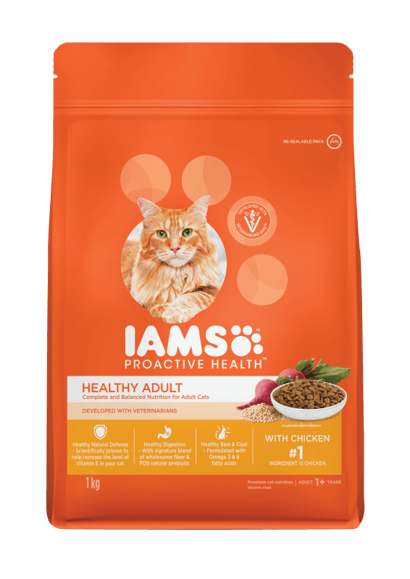
IAMS™ Proactive Health™ Indoor Weight & Hairball Care cat food is loaded with omega-3 and 6 fatty acids to give your cat a shiny and healthy coat. Other essential nutrients like proteins, vitamins, and minerals in this premium cat food support your feline friend’s overall health.


Frequently asked questions

  1. Why is my cat’s fur not shiny?
  2. Cats can lose their coat’s shine due to multiple factors. Here are a few common reasons why your cat’s coat is not shiny:

    • Excessive grooming and bathing
    • Poor diet
    • Wrong shampoo
    • Old age
    • Sudden weight gain
    • Diabetes
    • Allergies
    • Infection

  3. How can I improve my cat’s coat?
  4. Maintaining a healthy and shiny cat coat boils down to two things – hygiene and nutrition. As a cat parent, you must ensure that your feline friend doesn’t groom itself too frequently. However, you cannot neglect hygiene either. Based on its lifestyle and vet recommendation, make sure that your cat doesn’t over or under groom. Moreover, follow a nourishing diet that is packed with proteins, vitamins, minerals, and omega-3 fatty acids. Not only will it maintain your cat's shiny fur but it will also boost healthy hair regrowth.

  5. Can I put oil on my cat’s fur?
  6. Although applying oil on your cat’s fur might not do any harm, it is best to consult your veterinarian regarding the same.

  7. What food helps a cat's coat?
  8. Cats’ fur can say a lot about their overall health. If your feline friend is nourished and healthy from within, it will be reflected through its skin and coat. So make sure that your cat receives nutrients like proteins, vitamins, minerals, and omega-3 fatty acids in the right quantities to help maintain a cat's coat.

  • Feeding Guidelines For Your Cat
    Feeding Guidelines For Your Cat
    adp_description_block231
    How To Take Care Of A Cat?

    • Share

    Cats are known to be solitary creatures and enjoy spending time with themselves. However, as a pet parent, you must ensure that your cat remains healthy. It is advisable to keep an eye on your cat’s behavior to detect a sudden change, even what it eats, and in how much quantity. A regular health checkup is one of the most basic yet essential steps to a cat/kitty care guide. Taking care of cats is comparatively easier than taking care of kittens. A diligently followed routine for cat care can also be quite helpful. So, before we tell you how to take care of cat, here are few dos and don’ts every cat owner must know.

    Do's & Don'ts Every Cat Parent Should Know:

    Here’s your cat care 101 –

    • Medical care -

      Adult cats should be taken to the vet for a complete checkup at least once a year. This will ensure that your cat is in good health and will also catch any disease symptom overlooked by you.
    • Hygiene –

      Hygiene is one of the most basic cat care tips. Cats usually lick and clean themselves, but it is always advisable to bathe your cat every 4-6 weeks. Their crates should also be cleaned regularly to make sure they do not fall sick.
    • Feeding –

      Till the time your kitten is four months old, it can be fed three times a day. Post four months, you can begin the transition to feeding it twice a day. It is still advisable to consult a vet before deciding the frequency of the meals.
    • Dental care -

      Your cat’s dental care is just as important as yours. It is advisable to set a dental care routine right from its kitten phase. You can dip your gloved finger in a little toothpaste made for cats in its mouth to clean their teeth and gums. If your cat’s mouth smells bad, it may be an indication of a disease. So, book an appointment with your vet without any delay.
    • Socializing -

      You can get your cat to socialize too, but you have to keep a few things in mind. You may get down to its level to initiate contact and speak in a calm voice. You may also pat its head to let it get familiarized with your touch.
      Now that you know these cat care tips, let’s understand how you can housetrain your cat.

    Housetraining Your Cat

    Now that you have brought your cat home, the next step is to comfortably settle it in your house. Housetraining might sound like a tedious task, but it isn’t. With a little practise and lots of patience, you can easily housetrain your cat. Some of the most basic things to keep in mind while housetraining your cat include providing a proper litter box, spaying your cat, toilet training and cat proofing the house. Given below are some tips that may help you easily housetrain your cat:

    • Litter box –

      It is advisable to place the litter box in an easily accessible location. You should avoid moving the litter box unless necessary. And even if you have to move it, shift it a few inches every day. Also, keep in mind that your cat will not use a dirty or smelly litter box. Hence, scoop out the solid waste at least once a day and clean it using mild detergents.
    • Cat-Proofing –

      It is important that you keep harmful things out of reach from your cat. First and foremost, tie up all loose cables and wires so that your cat won’t get tangled in them. Make sure candles and other flaming substances are kept at an unobtainable distance from the cat. If you use essential oils frequently, make sure your cats do not come in contact with them either, because certain ingredients in these oils may be toxic for your feline friend.
    • Spaying –

      Spaying your cat has several health benefits and ensures your cat lives a healthy life. You may fix an appointment to spay your kitten when it is as young as eight weeks old. If you have a cat, it is advisable to get it spayed before it reaches five months of age.
    • Toilet Training –

      This is one of the major concerns of all cat parents. Here’s how you can toilet-train your cat with a few simple steps –
      1) Place the cat’s litter box closer to the washroom.
      2) Raise the height of the litter box a little every day.
      3) Slowly, transition your cat to use the actual washroom every time it wants to go.
      4) Give your cat a treat each time it uses the washroom. This will encourage good behavior.

    Common Cat Diseases

    Taking care of your cat’s health comes first in the cat/kitty care guide. Even though cats lick and self-groom themselves, they cannot get better on their own if they contract the following diseases:

    • Vomiting –

      This is one of the most common health issues in cats and is caused by various factors. Hairballs, eating something inedible, or a urinary tract infection are some of the reasons why your cat may be vomiting.
    • Feline Lower Urinary Tract Diseases (FLUTD) –

      Both male and female cats can contract FLUTD and its main cause is obesity or only eating dry food. Some of the symptoms of FLUTD are bloody urine, crying while urinating, straining to pee, licking around the urinary area due to pain, dehydration, and vomiting.
    • Diarrhea -

      Cancer, infection, allergy and bad food can be the causes of diarrhoea. It is advisable to give your cat a lot of fresh water to drink if it has diarrhoea.
    • Tapeworms –

      Tapeworms can cause extreme discomfort to your cat as they reside in its intestines. You can spot tapeworms with your naked eye in your cat’s stools. The symptoms of worms are vomiting and weight loss.
    • Feline Immunodeficiency Virus (FIV) –

      This virus can make the immune cells attack the white blood cells in the cat’s body. This gradually weakens the cat’s immune system. FIV’s symptoms are poor coat condition, persistent diarrhea, seizures, eye problems, lack of appetite, and recurring fever.
      If you notice unaccountable minor changes in your cat, then it is advisable to rush to the vet to rule out any of the above-mentioned diseases and seek proper treatment on time.

    Cat Care Tips for First Time Owners

    ‘How to take care of a cat’ is a question asked by many first-time cat owners, as cats can be difficult to figure out. But with a few careful steps, you can easily take care of your cat. Here are some cat care tips for first-time cat owners:

    • Cats are not easily adaptive to change.

      So, when you bring your cat home for the first time, you need to help it familiarize with the new surroundings by setting up its own space in the house. You can also add a cheery vibe to its crate by adding toys and a blanket.
    • Find a vet you can visit for your cat’s timely checkups.

      It is not advisable to ignore even the smallest recognized change in its health, and it is better to get it checked by the vet.
    • Cats love quality playtime as well.

      We recommend you get adorable toys for your feline friend to play with. You, too, can bond with your cat during this time.
    • Give

      it time to adapt to its new surroundings and the new people around them.
    • Ensure

      you buy healthy cat food for your new friend in advance and set a timetable for its meals.

Close modal