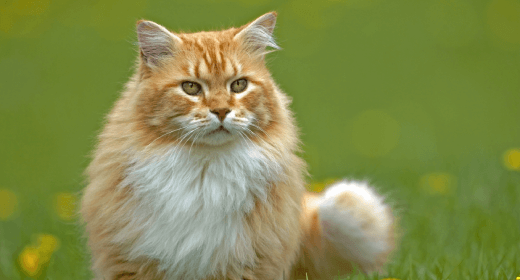
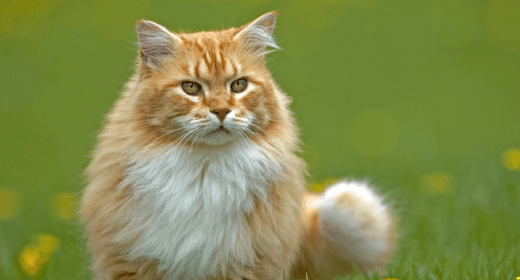
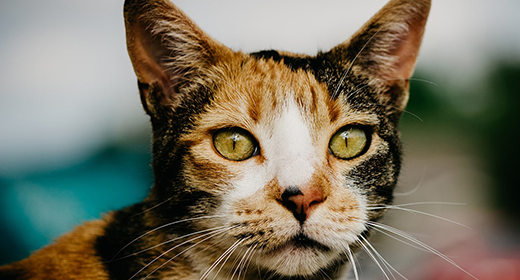
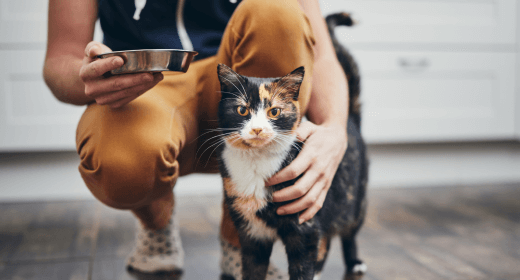
What is the first thing that comes to your mind when you hear the word ‘cat’? It's probably a cat covered in smooth and shiny fur, right? Not only does it look majestic, but every time we pet a cat, it also feels like we are running our fingers through silk. A shiny coat is no less than a divine blessing. However, this heaven-sent beauty can lose its shine if you stop taking care of it. While grooming plays a vital role in maintaining healthy cat fur, there are multiple other factors that influence its look and feel. If you are not aware of how to care for shiny cat fur, continue reading. This article covers everything around cat fur health.
If your cat’s fur looks dull, instead of directly jumping on to quick fixes, try understanding its cause. Here are a few common reasons why cat fur loses its shine:
Now that you know the causes of dull cat coats, you can work towards bringing its shine back. Here are a few ways to make cat fur shiny:
Use the right shampoo: Picking the right shampoo is imperative, especially because the wrong ones can strip off a cat’s natural skin oil and damage the fur.
Avoid excessive bathing: Frequent bathing can lead to dry and flaky skin. Hence, do not make your cat take a dip unnecessarily.
Follow a healthy diet: We all know that hair strands are 90% protein. Hence, providing protein-rich meals becomes vital for maintaining a shiny cat coat.
Skin is the largest organ. And with cats, this organ is generally fully covered with fur. They shed and regrow hair strands multiple times in their entire lifetime. However, a poor diet can slow down the regrowth process. Basically, lack of nutrition can eventually lead to bald spots. A diet that not only includes high-quality protein but also vitamins, minerals, good fats, and other nutrients will fast-track the hair growth process, maintain a shiny coat, and strengthen the immune system.
IAMS™ Proactive Health™ Indoor Weight & Hairball Care cat food is loaded with omega-3 and 6 fatty acids to give your cat a shiny and healthy coat. Other essential nutrients like proteins, vitamins, and minerals in this premium cat food support your feline friend’s overall health.
Cats can lose their coat’s shine due to multiple factors. Here are a few common reasons why your cat’s coat is not shiny:
Maintaining a healthy and shiny cat coat boils down to two things – hygiene and nutrition. As a cat parent, you must ensure that your feline friend doesn’t groom itself too frequently. However, you cannot neglect hygiene either. Based on its lifestyle and vet recommendation, make sure that your cat doesn’t over or under groom. Moreover, follow a nourishing diet that is packed with proteins, vitamins, minerals, and omega-3 fatty acids. Not only will it maintain your cat's shiny fur but it will also boost healthy hair regrowth.
Although applying oil on your cat’s fur might not do any harm, it is best to consult your veterinarian regarding the same.
Cats’ fur can say a lot about their overall health. If your feline friend is nourished and healthy from within, it will be reflected through its skin and coat. So make sure that your cat receives nutrients like proteins, vitamins, minerals, and omega-3 fatty acids in the right quantities to help maintain a cat's coat.
High fiber cat food has become a mainstay for many cats with gastrointestinal problems. But why is fiber so crucial for cats?
Fiber is a type of carbohydrate that isn't digested by a cat's gastrointestinal tract. It is important for cat health because it provides bulk to move food through. Some types of fiber can be fermented (broken down by bacteria) in the system. This process creates short-chain fatty acids (SCFA), which are an important energy source for the cells lining the intestinal tract.
Thus, understanding the various types of fiber and when to include fiber in a cat's nutrition plan is crucial. High-fiber cat food often contains a combination of soluble and insoluble fibers that aid gastrointestinal health and improve stool quality. Some of these fiber elements are also known as prebiotics, which are nutrients (mostly fermentable fibers) that help the good bacteria in the intestines grow.
Soluble fiber for cats, such as gums and pectins, are the best at absorbing water. These fibers are typically highly fermentable and provide the required energy source. Adding such soluble fibers to your cat’s diet can help it maintain a healthy colonic mucosa and boost immune function in the lower intestine.
Insoluble fibers, such as lignin or cellulose, have a variety of therapeutic properties and can be utilised in your cat’s meal to promote its gastrointestinal health.
Today, people are more aware of fiber and its role in their diet. Studies showing the beneficial effects of higher fiber levels in humans influence the way many people think about their own food and that of their pets. Some manufacturers now apply the recommendations of human nutritionists and make high-fiber diets for cats, but cats have a much shorter digestive tract than we do. And unlike humans, cats are carnivorous, so their nutritional needs are better satisfied with meat rather than plant matter. Therefore, cats have different dietary needs than humans. For more than 60 years, companion animal nutritionists at IAMS™ have been studying diets to meet the special nutritional needs of cats.
Furthermore, fiber-rich cat food benefit cats suffering from GI illnesses of the large intestine. Fiberous food can assist in preserving their GI motility and water balance. This is turn helps prevent constipation and diarrhea in cats.
IAMS Company research shows the optimal crude fiber level for healthy cat’s ranges from 1.4% to 3.5%. At these levels, nutrient breakdown is maximized. In unique situations, such as hairballs, higher fiber levels may be beneficial.
An important characteristic of fiber is its fermentability, or how well it can be broken down by bacteria in the intestine. This breakdown produces short-chain fatty acids, which provide energy to the intestines. Fiber varies in fermentability. Fiber sources used in pet foods include cellulose, which is poorly fermentable; beet pulp, which is moderately fermentable; and gums and pectin, which can be highly fermentable. Research has shown that moderate levels of moderately fermentable fiber, such as beet pulp, provide the benefits of energy for the intestinal lining and bulk, without the negative effects of excessive stool or gas and, therefore, are beneficial in cat diets.
High moisture, protein, and minimum carbohydrate matter are all key ingredients in high fiber cat diets. Here are some benefits of high-fibrous food for your cat:
Cats with medical issues can also greatly benefit from high-fiber foods. For instance, high-fiber wet cat food might help overweight cats in reducing overeating and lowering their risk of obesity. What’s more is, adding fibrous food to your cat’s meal will also help your pet eliminate more nitrogen through their stool, thus sparing the kidneys. In fact, many dietary fibers inhibit nutrient absorption qualities, which help to lessen the rate at which the GI tract assimilates glucose, thereby keeping the blood sugar levels stable.
High levels of poorly fermentable fiber are used in some weight-reduction pet foods to dilute the calories in a serving. IAMS Company research shows that high fiber levels can make it harder to digest other nutrients in the food and, in turn, reduce the nutritional quality of a cat's diet. Your cat making more trips to the litter box can be a result.
Low fibrous food contains nutrients such as electrolytes and B-vitamins that aid recuperation in cats. This type of food is usually recommended by veterinarians for cats who are prone to having a quick onset of GI disturbance. Therefore, when choosing a meal for your cat, always visit a veterinarian. If your cat is on a high-fiber diet, their veterinarian should keep an eye on them to ensure that their fiber-responsive symptoms are under control.
When choosing a pet food, fiber is an important consideration, but remember that the needs of cats are not the same as those of humans. A moderate level of moderately fermentable fiber, such as beet pulp, provides proven nutritional benefits for cats. Cat diets containing high levels of poorly fermentable fiber dilute calories and deprive cats of the nutrients they need.
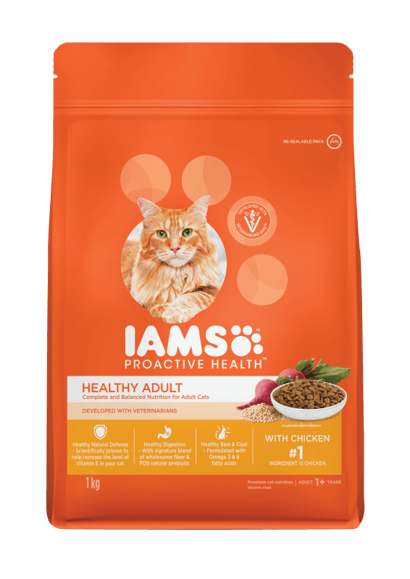
All IAMS products are made with levels of moderately fermentable fiber needed to promote intestinal health. And all IAMS foods, such as IAMS ProActive Health™ Adult Original with Chicken, contain the moderately fermentable fiber system, which is the exclusive property of IAMS Company and is protected by U.S. Patent No. 5,616,569 for Pet Food Products Containing Fermentable Fibers and Process for Treating Gastrointestinal Disorders.