Enter a keyword below to search for articles and products.
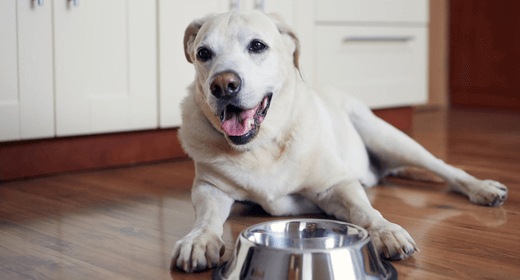
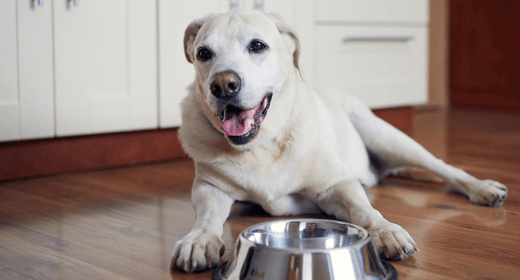
One of the most important things you can do is to feed your senior dog a diet formulated for his age featuring nutritional breakthroughs developed by the geriatric research team at The IAMS™ Company. As the years take their toll, a complete, well-balanced diet can help older dogs maintain health and ideal body weight, maximize their ability to stay healthy, and promote and maintain muscle tone and digestive health.
To call a dog 'old,' one mustn't consider chronological age, but rather physiological condition. Aging begins when the body's systems start to slow down when cells deteriorate faster than the body can repair them. Though the process is different for every animal (large and giant breeds tend to age faster than smaller breeds), dogs are generally considered seniors beginning at around 7 years (5 years for large and giant breeds). If you feed your dog a diet designed to address the nutritional needs of his age, you can best maintain your dog's overall health and well-being. As your dog ages, detecting and addressing signs of wear and tear or disease early might help your dog adjust more readily to his condition.
How your dog ages has much to do with genetics and environment, but nutrition plays an equally important role. The quality of the food and its ability to maintain and nourish your dog's cells can slow or delay the effects of aging and help promote a long, healthy life. As your dog ages and his systems become less efficient, he relies increasingly on the food you provide to make up for his body's shortfalls. According to Michael Hayek, PhD, a research nutritionist at The IAMS Company who specializes in geriatric nutrition, 'Aging dogs need the same nutrients as younger dogs; however, the quantity or the way the nutrients are provided may change.'
Dr. Hayek advises not waiting until you see signs of aging in your dog to consider the proper diet. Feeding a high-quality, premium diet throughout your dog's life is the best way to help him age gracefully. When your dog reaches the golden years, choose IAMS for nutrition suited to this stage of life. 'Good nutrition starts early,' says Dr. Hayek. 'It should be viewed as proactive health care because it may be a deterrent to aging later on.'
If your dog already exhibits signs of aging, look for a high-quality, balanced maintenance food that caters to his changing metabolism. When you're shopping for a formula that's right for your older dog, look for and compare these important features:
High-quality animal protein. Just like us, as dogs grow older, they naturally tend to lose lean body mass (muscle). High-quality protein becomes increasingly significant by providing the essential amino acids your dog needs to minimize the loss of lean body tissue. By nature, dogs are carnivores, and they do best on high-quality, animal-based proteins from sources such as chicken or lamb. Some people believe that aging dogs should be fed less protein to prevent or minimize kidney disease. However, the evidence is just not there. Reduced protein has a significant effect only after a certain level of renal dysfunction occurs. Signs of renal dysfunction include an increase in water consumption and increased urination. If you're concerned about your dog's renal health, your veterinarian can run tests to assess the level of renal function and recommend appropriate treatments if they are needed.
'If your dog is generally in a state of good health,' explains Dr. Hayek, 'protein should not be restricted. Rather, it should be available for building those all-important muscle reserves.' Some studies have shown that a diet of high-quality protein might actually help improve kidney function, and no research has indicated that low-protein diets slow the progression of renal damage in dogs.
Lower fat. Less-active, older dogs need fewer calories. Look for a food that's low in fat compared to our other adult formulas, but don't eliminate fat completely or feed a food that doesn't have enough fat. Pick a formula with at least 10% fat. Older dogs still need essential fatty acids. The inclusion of omega-3 fatty acids helps a senior dog maintain a proper fatty-acid balance as the body's fatty-acid synthesis naturally decreases.
Moderately fermentable fiber. The goal of fiber is to help maintain optimal intestinal health. 'You want to aim for consistent stools,' explains Dr. Hayek. The goal is to promote digestibility and the ability to process food and absorb nutrients. At the same time, fiber levels should promote and maintain a healthy intestinal tract, which often can be problematic for older dogs. A fiber level of no more than 5% is appropriate for seniors to maintain an optimal intestinal environment for a healthy gut, which helps result in excellent nutrient absorption and small, firm stools. IAMS includes dried beet pulp, a patented fiber source, in all of its foods to make elimination easier and regular. According to Dr. Hayek, if you've been feeding your dog properly all along, fiber requirements shouldn't change.
Fructooligosaccharides (FOS) are a unique fiber source. FOS is a moderately fermentable fiber which can help maintain a healthy intestinal environment.
Antioxidants. These help maintain balance within the body by ridding it of harmful compounds called free radicals, which increase as a dog ages. Antioxidants fend off free radicals and help protect cell membranes and DNA. To maintain your older dog's immune-system response, feed a formula with important antioxidant nutrients such as vitamin E and beta-carotene.
Vitamins and minerals. A high-quality, nutritionally balanced dog food should include all of the essential nutrients in the proper proportions. Some say that vitamin and mineral supplements are necessary as a dog's systems age. The fact is that, unless your veterinarian specifically identifies a deficiency, vitamin and mineral supplements are unnecessary and, in some cases, might do more harm than good by creating an unhealthy imbalance.
Balanced feeding is vital as a dog ages, but it's just as essential throughout his life. The longer and more consistently you feed him a healthy diet for his life stage, such as IAMS ProActive Health™ Senior Plus, the greater his chances of living a long, healthy life. As your dog reaches the senior years for his breed or size, remember these tips:
Finally, Dr. Hayek points out that there's still much to learn about canine geriatric nutrition. For now, realize that every animal ages at a different rate and in different ways. Monitor your dog and especially watch for changes after 7 years of age (5 years for large and giant breeds). With the help of your veterinarian and responsible pet food manufacturers, your pet can live to a comfortable, healthy old age.
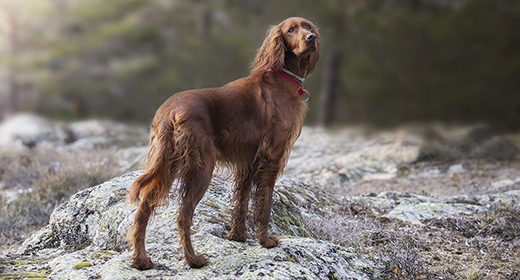
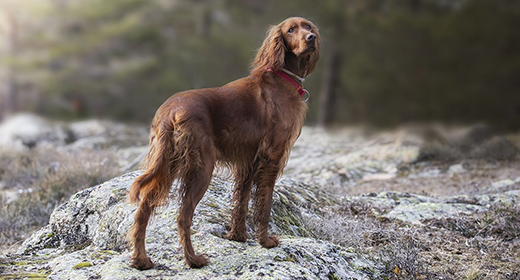
Many factors influence the overall health of your dog’s skin and coat: His diet and grooming schedule, the presence of parasites and seasonal changes can all play a role. Whether your dog is prone to skin issues or you want to ensure your pup’s health for years to come, you’ll need to keep a few key things in mind.
Regular veterinary checkups will ensure that your dog is disease- and parasite-free. Flea-bite allergy and external parasites, such as mange, are primary causes of hair loss and skin problems.
In addition to scheduling checkups, check your dog’s hair and skin at least once a week for signs of fleas (flea dirt or bites), mange or other skin conditions, and hair loss.
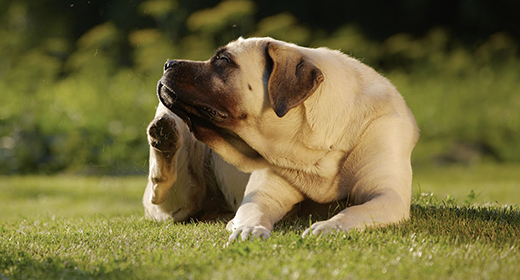
If your dog’s skin seems thick or scaly or lacks elasticity, or if you notice hair loss, these signs might indicate a nutritional deficiency. Check with your veterinarian, and try feeding him a premium food. It will usually take between six and eight weeks after a diet change to see results. If your pet continues to scratch and chew his skin, consult a veterinarian.
When looking for a dog food that will promote good skin and coat health, keep the following in mind:
What's the best thing you can do for your dog’s skin and coat health? Feed a high-quality food packed with protein, such as IAMS™ ProActive Health™ Adult MiniChunks. Dogs are best fed as carnivores: They need protein and thrive on diets rich in animal-based protein sources. Additionally, their hair is actually 95% protein! Although coat growth varies by breed, the combined growth of all the hair can add up to 100 feet per day in some dogs. This means that nearly 30% of the animal’s daily protein requirement is used just for coat growth during some seasons.
Premium pet foods are carefully formulated to be complete and balanced, which means the food includes all of the nutrients your pet needs. Ingredients in premium foods are highly digestible so your dog's body uses the nutrients efficiently. Less costly foods might contain lower-quality proteins. Though a bag of premium food may cost a bit more than other brands, you might be able to feed less, which minimizes the cost difference.
It’s easy to spot a healthy-looking dog: He has a gleam in his eye, a bounce in his step and a glossy, healthy coat. That glow is a reflection of your dog’s overall health and a good gauge of what’s going on inside and outside.
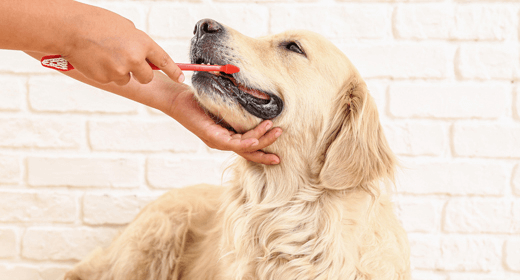
Regular grooming helps take care of the “outside” by removing loose hair, dirt and mats, and distributing skin oils. Grooming lets you check your pet closely, catching any skin problems early. Plus, your dog will love the attention!
As dogs age, their skin might become more sensitive. Select a mild dog shampoo for your older dog. Shampoos made from coconut or palm oils are the mildest. Unusual or “doggy” odors can signal disease, so if odors persist, contact your veterinarian. Do not use human shampoos because they are often too harsh for a dog’s skin.
When bathing your dog, be sure to rinse him thoroughly. Residue left on the skin can be irritating. You might want to follow the shampoo with a hair conditioner to control static electricity and add extra body or sheen.
During the summer, pay close attention to your dog’s skin and coat. Many dogs shed a winter coat and others face flea problems, so it’s a good time to evaluate your dog’s skin and coat condition to nip any problems in the bud.
Attention to your dog's coat and skin from the inside out will produce a healthy, lively dog that is a joy to look at — and a pleasure to live with — every day!