Enter a keyword below to search for articles and products.


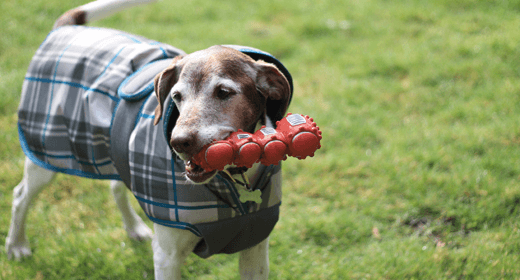
Does your mature dog sniff at his bowl and walk away instead of digging in? You may think he’s just being picky, but it’s important to keep an eye on how much he’s eating — especially if he’s a senior. While age-related diminishment of the senses of smell and taste may account for some of his disinterest in food, appetite loss can also indicate a serious medical problem.
“It’s important to give your dog enough calories because weight loss can be debilitating to senior pets,” says Wendy Brooks, D.V.M., who warns that a loss in appetite should be mentioned to your vet. A good rule of thumb: If your pet hasn’t eaten in a day, make a visit to the vet. Here are six ways to entice your canine friend with a nourishing meal.

Many animals find canned food more palatable because they like the taste and texture, Brooks says. You can top their favorite dry food with room-temperature wet food.
Dogs like a warm or room-temperature (not hot or cold) meal. Avoid serving him day-old wet food from the refrigerator, and keep his food away from heat. Another reason he might not be eating: It's too hot outside.
Dogs prefer consistency when it comes to their food. Don't change every day, but try a new flavor, such as lamb or chicken, and see if he responds (it may trigger his sense of smell). To avoid an upset stomach, introduce a new food by mixing it with his old food in equal increments each day.
Common mature-dog health issues, such as arthritis or joint pain, can make it difficult for him to access his bowls. Keep food and water where he spends most of his time. Put a water bowl on all floors of the house, too.
Older pets are at a higher risk of dehydration. Provide a clean bowl with fresh water at all times. It will help prevent disease, such as a kidney condition, and aid in digestion.
Dogs are people pleasers. If you see him eating, give him a little verbal reward. He'll know it makes you happy and will repeat the behavior.
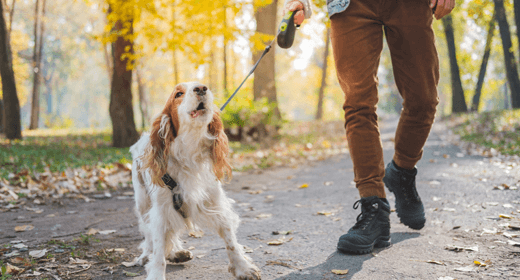
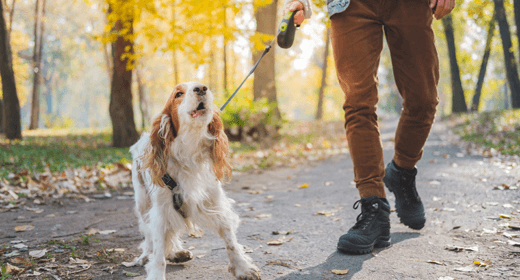
Barking is your dog’s way of communicating. We often observe dogs barking at people and things to grab attention. It is a normal dog behaviour that is often a reflex for expressing emotions related to anxiety, aggression, or boredom. Different types of barks emote different moods and feelings of the dog. Dogs also bark to stop others from entering their territory.
Even though dogs bark to communicate their emotions, excessive barking can cause disturbance to pet parents. In such situations, pet caregivers often look for ways to teach barking on command to their fur babies. If you too want to learn how to stop a dog from barking in the right manner, then read the following.
Dogs often bark to claim territory, express emotions, and communicate with others. However, sometimes, dogs might not know how to control their barking habits. Teaching your pooch to stop barking unnecessarily makes them calmer by sharpening their natural instincts. While barking is a norm for dogs, barking on command is a skill that you easily teach your fur baby. Follow the below points to learn how to teach your dog to stop barking.
The following are a few things you can try to teach your dog to stop barking on command:
Though these tricks will train your canine companion to control its barking habits, you must know that barking is a reflex instinct for dogs. Hence, it is imperative to stay consistent and regular when training a dog. It often takes time for dogs to learn commands and control their instinct to bark. However, with regular practice and consistent effort, you can eventually stop your dog from barking at will.