Enter a keyword below to search for articles and products.
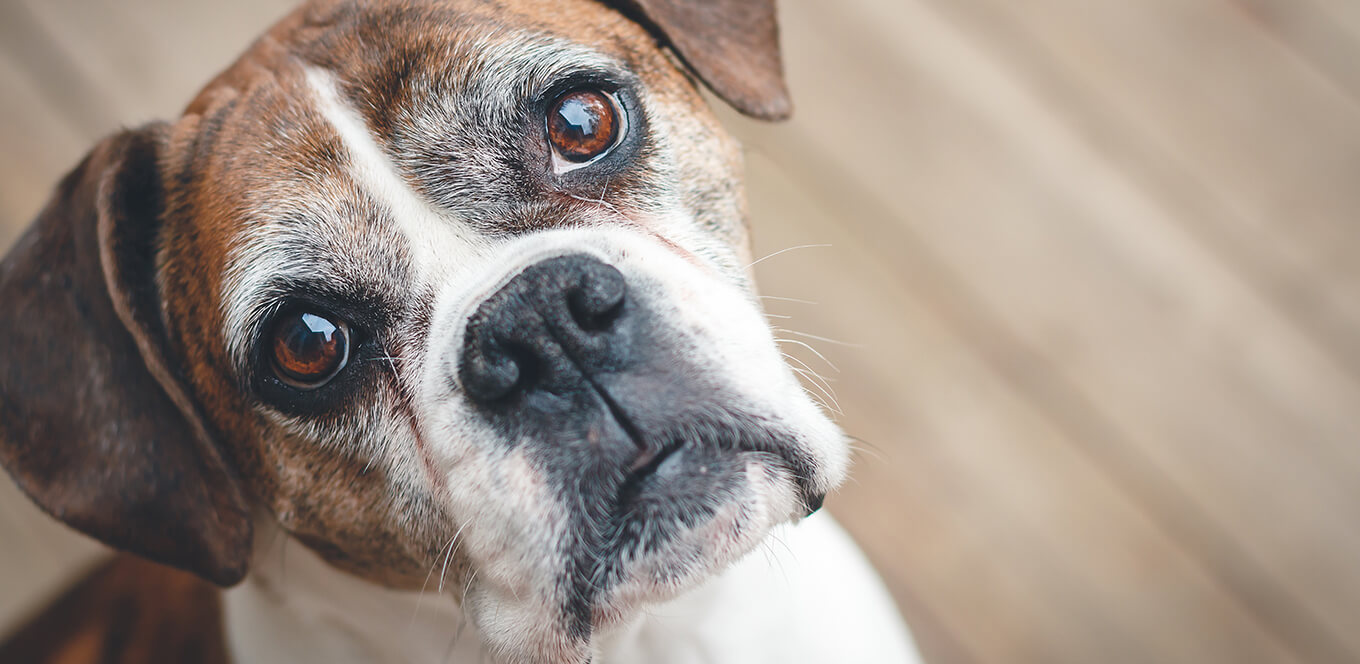
Does your mature dog sniff at his bowl and walk away instead of digging in? You may think he’s just being picky, but it’s important to keep an eye on how much he’s eating — especially if he’s a senior. While age-related diminishment of the senses of smell and taste may account for some of his disinterest in food, appetite loss can also indicate a serious medical problem.
“It’s important to give your dog enough calories because weight loss can be debilitating to senior pets,” says Wendy Brooks, D.V.M., who warns that a loss in appetite should be mentioned to your vet. A good rule of thumb: If your pet hasn’t eaten in a day, make a visit to the vet. Here are six ways to entice your canine friend with a nourishing meal.
Many animals find canned food more palatable because they like the taste and texture, Brooks says. You can top their favorite dry food with room-temperature wet food.
Dogs like a warm or room-temperature (not hot or cold) meal. Avoid serving him day-old wet food from the refrigerator, and keep his food away from heat. Another reason he might not be eating: It's too hot outside.
Dogs prefer consistency when it comes to their food. Don't change every day, but try a new flavor, such as lamb or chicken, and see if he responds (it may trigger his sense of smell). To avoid an upset stomach, introduce a new food by mixing it with his old food in equal increments each day.
Common mature-dog health issues, such as arthritis or joint pain, can make it difficult for him to access his bowls. Keep food and water where he spends most of his time. Put a water bowl on all floors of the house, too.
Older pets are at a higher risk of dehydration. Provide a clean bowl with fresh water at all times. It will help prevent disease, such as a kidney condition, and aid in digestion.
Dogs are people pleasers. If you see him eating, give him a little verbal reward. He'll know it makes you happy and will repeat the behavior.


In the realm of pet care and canine health, vitamin B for dogs emerges as one of the most important. While they might not always garner as much attention as other nutrients, the impact of vitamin B on your dog's well-being is profound. From supporting energy metabolism to promoting a healthy coat, the B-complex vitamins play a crucial role in keeping your furry friend in top-notch condition. Join us as we delve into the world of vitamin B for dogs, exploring its multifaceted benefits and uncovering the sources that can contribute to your pup's overall vitality.
Vitamin B is a group of water-soluble vitamins, including B1 (thiamine), B2 (riboflavin), B3 (niacin), B5 (pantothenic acid), B6 (pyridoxine), B7 (biotin), B9 (folate), and B12 (cobalamin). These act as coenzymes, partnering with enzymes to facilitate critical biochemical reactions that drive cellular processes. For instance, they are pivotal in the breakdown of nutrients, ensuring that the energy derived from food is efficiently utilized by your dog's body. Additionally, B-complex vitamins are key players in the synthesis of neurotransmitters, aiding in the transmission of signals between nerve cells and supporting cognitive function. While dogs can produce some B vitamins internally, a well-rounded diet with external sources ensures they receive optimal levels, fortifying their biological functions and contributing to a vibrant and energetic life.
Absolutely, dogs not only can but should have vitamin B as an integral component of their dietary intake. While dogs possess the capability to internally synthesize certain B vitamins, such as B3 and B6, others like vitamin B12 for dogs must be sourced from their diet. This dietary supplementation is crucial as these vitamins play pivotal roles in metabolic functions, nerve health, and the synthesis of essential biomolecules. Ensuring a consistent and balanced intake of vitamin B is a proactive measure to support your dog's overall health, contributing to its vitality.
Certainly, vitamin B is exceptionally beneficial for dogs. Each B vitamin plays a distinctive role in supporting various facets of your dog's health, encompassing crucial functions such as energy production, cognitive well-being, and the maintenance of a glossy coat. Dogs experiencing deficiencies in specific B vitamins might manifest symptoms such as lethargy, lackluster coat condition, and, in severe cases, neurological issues. Prioritizing the incorporation of an appropriate amount of vitamin B into your dog's diet is pivotal for sustaining its vitality, promoting optimal organ function, and ensuring they lead a vibrant and active life.
In the often-underestimated landscape of canine nutrition, the B-complex vitamins emerge as silent yet vital allies. Before we unravel their diverse benefits, ranging from promoting energy metabolism to supporting skin and coat health, let us delve into the crucial role of vitamin B for puppies and dogs in their overall well-being.
B vitamins play a key role in converting food into energy. Thiamine (B1), riboflavin (B2), niacin (B3), pantothenic acid (B5), and pyridoxine (B6) contribute to the metabolic processes that provide energy for your dog's daily activities. A well-regulated energy metabolism ensures that your canine companions maintain an optimal level of activity and vitality throughout their daily routines.
B vitamins are essential for maintaining a healthy nervous system. They play a role in nerve function and help prevent neurological issues in dogs. Ensuring a sufficient intake of B vitamins promotes not only a robust nervous system but also contributes to improved cognitive function, fostering a sharper and more alert companion.
Biotin (B7) is particularly known for its role in promoting skin and coat health. A biotin deficiency can lead to skin problems and a dull coat. Incorporating biotin-rich foods into your dog's diet not only enhances its appearance but also contributes to overall well-being, ensuring a radiant and healthy coat.
Vitamin B9 and vitamin B12 benefits for dogs include the formation of red blood cells, which are vital for oxygen transport throughout the body. Adequate levels of these B vitamins contribute not only to your dog's physical endurance but also support its overall cardiovascular health, ensuring efficient oxygenation of tissues.
Several B vitamins, including folate and cobalamin, are involved in cell division, contributing to the growth and maintenance of tissues. This intricate role in cell division highlights the importance of B vitamins in the ongoing repair and renewal processes within your dog's body, promoting longevity and sustained health.
Ensuring your dog receives an ample supply of B-complex vitamins involves incorporating a variety of nutrient-rich foods into its diet. Here are some canine-friendly options:
In the nutritional narrative for our canine friends, the B-complex vitamins are heroes, weaving a tale of energy, vitality, and overall well-being. As you curate meals, let the B vitamins take center stage, offering not just nourishment but a key ingredient in the recipe for a thriving, tail-wagging companion.