Enter a keyword below to search for articles and products.
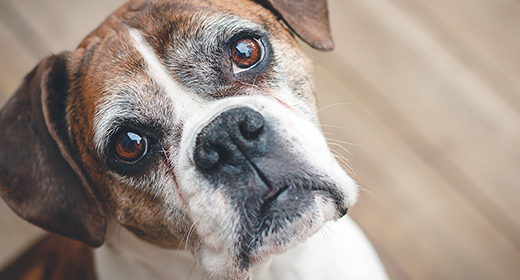
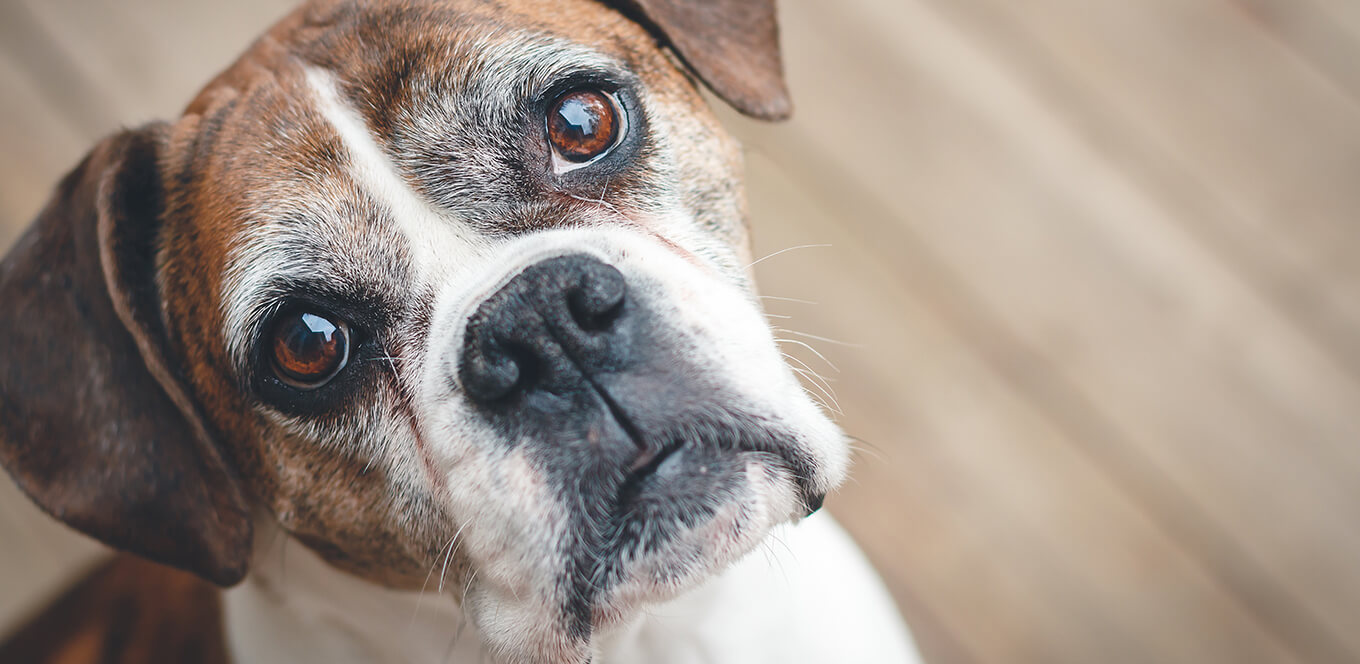
Does your mature dog sniff at his bowl and walk away instead of digging in? You may think he’s just being picky, but it’s important to keep an eye on how much he’s eating — especially if he’s a senior. While age-related diminishment of the senses of smell and taste may account for some of his disinterest in food, appetite loss can also indicate a serious medical problem.
“It’s important to give your dog enough calories because weight loss can be debilitating to senior pets,” says Wendy Brooks, D.V.M., who warns that a loss in appetite should be mentioned to your vet. A good rule of thumb: If your pet hasn’t eaten in a day, make a visit to the vet. Here are six ways to entice your canine friend with a nourishing meal.
Many animals find canned food more palatable because they like the taste and texture, Brooks says. You can top their favorite dry food with room-temperature wet food.
Dogs like a warm or room-temperature (not hot or cold) meal. Avoid serving him day-old wet food from the refrigerator, and keep his food away from heat. Another reason he might not be eating: It's too hot outside.
Dogs prefer consistency when it comes to their food. Don't change every day, but try a new flavor, such as lamb or chicken, and see if he responds (it may trigger his sense of smell). To avoid an upset stomach, introduce a new food by mixing it with his old food in equal increments each day.
Common mature-dog health issues, such as arthritis or joint pain, can make it difficult for him to access his bowls. Keep food and water where he spends most of his time. Put a water bowl on all floors of the house, too.
Older pets are at a higher risk of dehydration. Provide a clean bowl with fresh water at all times. It will help prevent disease, such as a kidney condition, and aid in digestion.
Dogs are people pleasers. If you see him eating, give him a little verbal reward. He'll know it makes you happy and will repeat the behavior.


As a pet parent, it's hard to hear your furry friend crying. It can be due to separation anxiety, fear, or illness and can be frustrating to deal with. This article will provide practical tips on stopping your puppy from crying and help them feel more comfortable and secure. We will guide you through establishing a routine and using calming aids to help your puppy stop crying and live a happier, more peaceful life.
Crying in puppies can vary depending on their age. Older puppies may cry because they are experiencing separation anxiety, are bored, or need to go outside. Meanwhile, newborn puppies cry because they are hungry, uncomfortable, or need warmth. Pay attention to why your puppy cries, so you can provide it with the right care and comfort.
If you are wondering why your pup is crying and how to put a stop to it, the key is to understand the underlying reasons. By gaining this knowledge, you can take the appropriate steps to address the problem and silence the crying. Keep reading to learn more about stopping your pup's tears.
As delicate and helpless beings, newborn puppies rely on their mothers or caregivers to provide for their basic needs. When hungry, cold, or sick, they often cry out in distress, it is like their tiny voice is seeking help. It can be heart-wrenching to hear their cries as they struggle to communicate their needs.
At this stage, the puppies must receive proper care and attention for survival. This may involve giving them warm, nutritious milk from their mothers or finding a suitable substitute if the mother cannot feed them. Providing the puppies with the necessary care will ensure their health and well-being.
In certain situations, puppies may need to receive medication or other forms of treatment to help them recover from an illness or infection. This can be a delicate and complex process, requiring close monitoring and expert knowledge to ensure that puppies receive the appropriate level of care.
As puppies grow older, they often become more vocal when they need to go outside to play or relieve themselves. This can manifest in whining or barking at the door and scratching at it with their paws to grab someone's attention. While this behavior is natural for puppies, it can be frustrating for their caregivers, particularly when they are trying to get some rest or focus on work.
As a pet parent, providing enough exercise and mental stimulation is important to keep your puppy happy and engaged. If your older puppy is crying or whining, it could signify that they are bored and need entertainment. They may start pacing or circling the room, looking for something to do. If you notice your puppy exhibiting these behaviors, consider taking them for a walk or providing them with a fun new toy to play with.
As puppies grow older, they may become restless and cry when they are tired or ready for bed. This is typical behavior among puppies, but it can be disruptive for the pet parent. To help your pup settle down for the night, try implementing a bedtime routine and providing a comfortable, cozy bed for it to sleep in. This will not only help your puppy feel more at ease but also allow you to get a good night's rest.
As a responsible pet parent, it's crucial to identify the reasons behind your puppy's crying and take appropriate steps. Whether it's hunger, fear, or loneliness, addressing these underlying causes can create a happier and more comfortable environment for your furry friend. By understanding the root causes of your puppy's crying, you can also provide your canine companion with necessary support and affection to help them feel loved and at ease. Here are some common reasons why puppies may cry:
Suppose your puppy is crying and showing other symptoms of illness. In that case, it could be due to several reasons, ranging from a respiratory infection to a more severe condition such as parvo or distemper. Keep an eye on your puppy's behavior and pay attention to any changes that may indicate a health problem, so you can act quickly and prevent any potential complications. It is crucial to take your furry friend to the vet as soon as possible for a proper diagnosis and treatment, especially if the crying continues or is accompanied by other signs of discomfort or distress.
As puppies have small stomachs, they require more frequent meals than adult dogs. It's important to provide them with regular, balanced meals and snacks throughout the day to ensure their well-being and happiness. If your puppy is crying and has not eaten in a while, it may be asking for food.
If your puppy is crying, it may be because they feel lonely and neglected. To prevent this, spend quality time with your pup daily. Engage in activities like playing, training, and bonding with them to create a strong, positive relationship and prevent feelings of loneliness.
Puppies overflow with energy and require significant stimulation to stay content and healthy. If your furry friend is crying and appears restless or fidgety, it could be because they are bored and need something to do. Provide your puppy with various toys, games, and activities to keep them entertained and focused.
Suppose your puppy is crying and appears frightened. In that case, it may be because of loud noise, a scary situation, or even a sudden change in their environment. To help calm them down, try speaking softly, offering a treat, or playing soothing music. If the fear continues, seeking the assistance of a professional trainer or behaviorist may be necessary to help your puppy overcome its anxiety.
If your puppy is used to being around other dogs or people and is suddenly left alone for long periods of time, they may become lonely and cry. To prevent this, consider providing your puppy with a companion like another dog or a stuffed animal. Additionally, ensure your puppy has regular opportunities to socialize and interact with others to prevent loneliness and unhappiness.
Consoling a crying puppy can be a challenging and emotional task. Still, making your furry friend feel safe and loved is essential. Here are a few tips to help comfort a crying puppy:
To successfully comfort a crying puppy, it is crucial to have patience and an understanding of what may be causing distress. Once the source of the crying is determined, providing the appropriate support and can help stop its tears and give the puppy a feeling of safety. If needed, seeking advice from a professional can also be beneficial in these situations.