Enter a keyword below to search for articles and products.
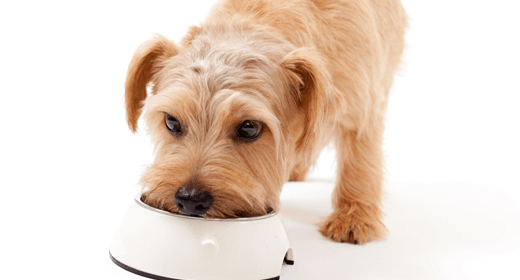
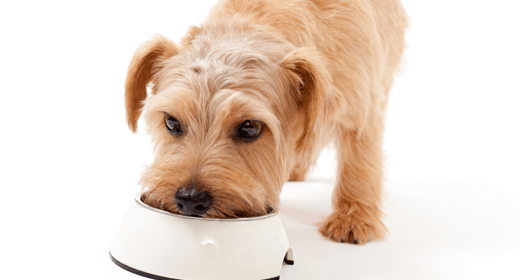
Nutrients such as protein, fat, vitamins, and minerals are important players in the skin and coat health of dogs. To understand the role of these nutrients, it is necessary to start by understanding skin and hair.
The purpose of skin and hair is to block things from leaving (such as water or heat) or entering (such as viruses and bacteria) the body.
The hair coat is composed almost entirely of protein. If the animal's diet doesn't contain adequate protein quantity and quality, hair may fall out, or become dry, weak and brittle.
Skin is made up of squamous cells, flat cells tightly packed together. These cells have tough membranes that are composed of proteins and fats. Without proper amounts of these nutrients, cell membranes weaken, allowing water to escape and bacteria and viruses to enter more easily.
Proteins are found in both animal-based and plant-based ingredients. Animal-based proteins contain all the essential amino acids dogs need, whereas plant-based proteins may contain only some essential amino acids. Animal-based proteins help dogs achieve optimal health.
Fats can also be found in both animal-based and plant-based ingredients. They are incorporated into skin cells as fatty acids. There are two essential fatty acids for skin and coat health. Linoleic acid maintains skin and coat condition in dogs. Without enough linoleic acid dogs may experience dull, dry coat, hair loss, greasy skin and increased susceptibility to skin inflammation.
Both of these essential fatty acids are omega-6 fatty acids and are found in animal tissues like chicken fat. Linoleic acid is also found in some vegetable oils, such as corn and soybean oils.
Most commercial dog diets contain more than adequate amounts of omega-6 fatty acids. Because these fatty acids can be converted to compounds that increase susceptibility to skin inflammation, it is important to balance the amount of omega-6 fatty acids in the diet with omega-3 fatty acids, which reduce susceptibility to inflammation.
Omega-3 fatty acids are found in oils from fish and some plants (canola and flax).
IAMS research has found that combining fat sources in the diet at a ratio of 5-10 omega-6 fatty acids to 1 omega-3 fatty acid results in excellent skin and coat health.
Vitamins and minerals are essential for the development of healthy skin and hair coat. The best way to provide these nutrients is through a complete and balanced diet containing appropriate amounts of essential vitamins and minerals rather than through supplements.
| Vitamin or Mineral | Importance to Skin and Coat Health |
| Vitamin A | Necessary for growth and repair of skin |
| Vitamin E | Protects skin cells from oxidant damage |
| Biotin | Aids in the utilization of protein |
| Riboflavin (B2) | Necessary for fat and protein metabolism |
| Zinc | Necessary for fat and protein metabolism |
| Copper | Involved in tissue pigment and protein synthesis |
Diet is often believed to be a factor when changes in skin and coat condition are noticed. The most common causes of these changes, however, are season and life stage.
As cold weather approaches, most dogs grow a thick coat to help keep heat in and cold air out. As the weather begins to warm up, they shed the thick, heavy coat.
Most puppies are born with soft fuzzy hair, but as they age, a coarser coat grows. Pregnant or lactating dogs also may experience a change in coat condition or hair loss. And, as with humans, the hair on dogs may thin out and become coarser and white as they reach their senior years.
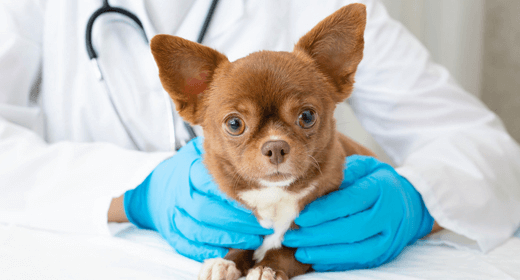
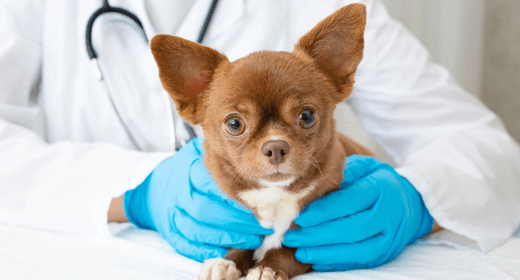
Population control is as essential for pets as it is for humans. Overpopulation by unwanted kindle of kittens or puppies is difficult to manage by caregivers. Many newborn young kittens and puppies are either put up for adoption or sent to an animal shelter. Besides, reproduction can be a tedious journey for your furry friend. Hence, it is better to get them spayed and neutered at the right time.
Spaying and neutering are medical procedures performed on dogs to stop their reproduction process. Dog neutering and spaying is one the essential medical procedures for providing care to your fur baby. There are many benefits of neutering and spaying your canine friend. To understand more about this helpful medical procedure, read the following.
A neutered or spayed dog cannot reproduce as their heat cycle is eliminated. Dog neutering is a medical procedure performed on male dogs while spaying is performed on female dogs. Veterinarian surgeons perform a surgical procedure to remove ovaries and uterus from female dogs. Besides population control, spaying also prevents uterine infections and breast cancer in female dogs. Whereas neutering is a similar procedure performed on male dogs. Neutered dogs undergo surgery for removing both testicles and associated structures. Male neutered dogs are generally believed to be more well-behaved and calmer. The surgery also stops their breeding acts such as humping and the urge to run away.
Getting your dog spayed and neutered is essential for their psychological and physical well-being and behavior. Yet, when to spay a dog and when to neuter a puppy is a common query amongst pet caregivers. Well, it is best to get your pooch neutered or spayed at the earliest. It is best to get your fur baby neutered or spayed before it develops breeding instincts. Undergoing the procedure between 4 and 6 months is suggested. Most breeds of dogs reach redevelopment maturity around 6 months of age, yet some breeds can easily be neutered or spayed until 9 months or even after they turn over a year old. Hence, your pooch’s breed and size decide how soon it needs to be spayed or neutered.
There are numerous reasons to opt for spaying and neutering for pets. By undergoing spaying and neutering procedures, pets can achieve better physical and psychological health. Neutered and spayed dogs are known to have better hormonal balance as their reproductive organs are removed which helps in neutralizing their breeding instincts. Mentioned below are a few more reasons why you should get your pets neutered and spayed.
It is necessary to take some preventive measures to build trust and assurance before getting your pooch neutered or spayed. The following are a few things you should do to prepare your canine friend before getting it neutered/ spayed.
Neutering or spaying can typically take anywhere between 20 to 90 minutes depending on the size, breed, and health of your pooch. As a pet parent, you need to ensure the best care and support for your fur baby to ensure its complete and stress-free recovery post-surgery. Puppies and dogs often take up to 10 to 14 days to recover after getting neutered or spayed. The following are a few things you should do to ensure your puppy recovers well after getting neutered or spayed.
Managing the population is essential for strays as well as pets. When you get your pets neutered and spayed, you eliminate their chances of contributing to the overpopulation of dogs. Besides, spaying and neutering also help in managing your pooch’s aggression and urge to run away by controlling their hormones and making them calmer. Neutering and spaying also save your pooch from falling prey to infections and fatal illnesses like cancer. Hence, it is best to get your canine friend neutered or spayed at the earliest by consulting a vet.