IAMS PH
Why Is Fiber in Your Dog's Food?

adp_description_block171
Importance of Fiber in Dog Food

  • Share

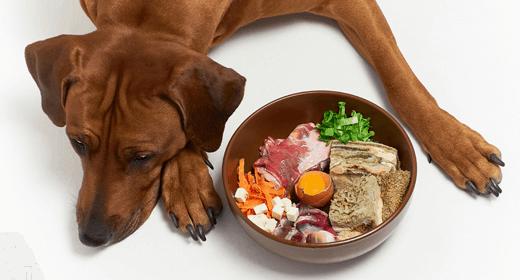
Your pooch’s diet defines its overall health and well-being. What it eats contributes to the amount of energy it has throughout the day. As a caregiver, it becomes your responsibility to provide the correct amount of nutrition and nourishment to your fur baby. Understanding the various components of your pet’s diet helps in providing them with the right nourishment.
 

Although everyone knows dogs need protein, carbohydrates, fat, vitamins, and minerals; did you know your canine friend also requires fiber in their diet? Even though fiber is not completely digestible it is an essential part of your pooch’s diet. High-fiber dog food aids in better digestion and bowel movement. Soluble fiber for dogs helps them in absorbing water. This type of fiber then gets fermented in their intestines to release fatty acids for better gut health. Other than soluble fiber, dogs also require insoluble fiber for better water absorption and digestion.
 

Benefits of high fiber dog food

Fiber in dog food helps the dogs digest their food better. Proper digestion equates to better bowel movement and good gut and gastrointestinal health. Your canine friend’s food should contain at least 2-4% fiber to assist their gut health’s growth and development. Besides, fiber for dogs acts as an absorbing substance that collects excess water and acids. Given below are a few other benefits of fiber for dogs.

  • Useful for treating constipation and diarrhea: Apart from absorbing extra water and acid, the insoluble fiber also helps in cleaning your pet’s gut tract. This makes their bowel movement better. Consuming the right amount of fiber also helps maintain your dog’s anal gland issues. Smaller breeds of dogs are more likely to suffer from these issues. The fiber in dog food makes it easier for stool to pass smoothly without any added effort. Hence, reducing the chances of your pet developing gastrointestinal and anal gland illnesses.
  • Weight management: Many breeds of dogs are meant for outdoor life; the lack of proper activity may lead to obesity in such breeds. Pet caregivers often worry about their fur baby being overweight because of the countless hours spent indoors with little to no activity. In such cases, high-fiber dog food is suggested alongside regular walks and playtime to manage the pooch’s weight. The fiber allows your fur baby to digest more food and aid in controlling its calorie intake.
  • Manages blood-sugar levels: Some types of fiber are slow to digest. This helps in maintaining blood sugar levels in dogs. Slow digestion of fiber stops sudden rise in blood sugar levels. Dogs that consume high-fiber dog food often have lower blood-sugar fluctuations and hence have lesser chances of suffering from diabetes

Is too much fiber bad for dogs?

On average dogs need only 2-4% fiber in their daily diet. Anything beyond this measure can be considered excessive fiber consumption for dogs. While fiber is needed for better gut and gastrointestinal health, too much fiber for dogs can be a topic of concern. Given below are a few issues that may occur because of excessive fiber consumption.

  • Gas: Fiber is not completely digestible. Hence, even though limited consumption of fiber helps in eliminating gut-related problems, too much fiber can lead to gastrointestinal problems and increase gas and acidity issues.
  • Diarrhea: While soluble fiber manages water content in the body, insoluble fiber can lead to digestive issues when consumed in excess. Frequent urge to pass stool and diarrhea are some known side effects of consuming too much fiber.

Even if is fiber bad for dogs is a common query, the conclusion is fiber is needed for better digestion and gut health of your pooch. However, excess fiber consumption can lead to certain stomach and gut-related issues, while eating little to no fiber is also not a good choice. Avoiding fiber altogether can lead to the anal gland diseases and gut illness. Hence, as a pet parent, you must ensure your canine friend is provided with the right amount of fiber in their daily diet. Besides fiber dogs also need adequate amounts of protein, carbohydrates, and fat in their diet for consistent growth and development.

Frequently asked questions

  1. Is fiber good for dogs?
  2. Yes, dogs need some amount of fiber in their diet to digest their food and absorb excess water.

  3. How much fiber should dog food have?
  4. On average dogs need to consume at least 2-4% fiber per meal. While their daily fiber consumption should not be anything more than 10%.

  5. What happens if a dog eats too much fiber?
  6. As fiber is not completely digestible, consuming too much fiber can lead to diarrhea and gas issues in dogs.

  7. Does fiber make dogs poop more?
  8. Yes, fiber consumption can increase your pet’s urge to poop or make them poop more as fiber helps in removing excess water, acid, and other undigested components from your pet’s body.
  • Is Your Dog Panting a Lot? Understanding When It's Normal and When to Worry
    Is Your Dog Panting a Lot? Understanding When It's Normal and When to Worry
    adp_description_block59
    Is Your Dog Panting a Lot? Understanding When It's Normal and When to Worry

    • Share

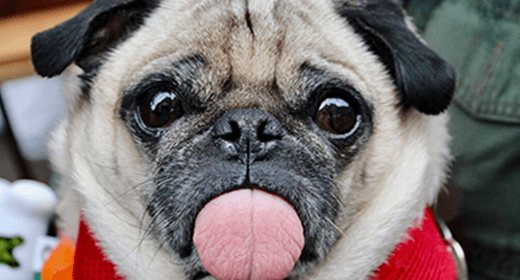
    We all adore the sight of our furry friends panting, tongues lolling out in playful exhaustion after a spirited game of fetch or on a warm, sunny afternoon. But have you ever stopped to wonder about the deeper meaning behind this seemingly simple act? What does it tell us about our dog's health and well-being?
     

    While we may find dog panting endearing, it serves a far more crucial purpose than just a cute quirk. Panting is an essential element of canine physiology, playing a vital role in regulating body temperature and communicating emotional states. Knowing the different types of dog panting and their underlying causes can be crucial in providing the best care for our beloved companions.
     

    Understanding your dog's panting

    Dogs pant to regulate their body temperature, a mechanism similar to how humans sweat. While some panting is normal, excessive or unusual panting can be a sign of an underlying health issue.
     

    Normal panting:

    • Frequency: At rest, a healthy dog typically takes about 15 to 35 breaths per minute.
    • Intensity: The panting should be shallow and quiet, with minimal tongue lolling.
    • Context: Panting is expected after exercise, play, excitement, or in hot weather.
    • Duration: Once the cause of the panting is addressed (e.g., they cool down or calm down), the panting should subside.

    Concerning panting:

    • Excessive: If your dog is breathing fast i.e., 40 breaths per minute at rest or even when slightly active, it's a red flag.
    • Heavy: When the dog is breathing heavy, the panting is deep and labored, with pronounced tongue lolling and drooling.
    • Unusual: Panting occurs in situations where it doesn't usually happen, such as when your dog is relaxed in a cool environment.
    • Persistent: The panting doesn't subside despite addressing the possible causes, or it's accompanied by other symptoms like lethargy, vomiting, or loss of appetite.

    Causes of dog panting

    Understanding why your dog pants is crucial for their health and well-being. While we've previously discussed how panting is their primary cooling mechanism, there's more to the story than just regulating body temperature.
     

    Physical reasons for panting

    • Heat regulation: As mentioned, panting helps dogs cool down after exercise, play, or during hot weather. By evaporating moisture from their tongue and respiratory tract, they bring their internal temperature back to a comfortable level.
    • Pain or discomfort: Excessive panting can be a sign of pain or discomfort due to an injury, illness, or other medical condition. Pain elevates heart rate and body temperature, triggering the panting reflex.
    • Respiratory issues: Allergies, asthma, kennel cough, and other respiratory conditions can make it difficult for your dog to breathe, leading to increased panting as they strive for more oxygen.

    Emotional reasons for panting:

    • Excitement: When your dog is excited, their heart rate and breathing increase naturally. This manifests as panting, especially during playtime, greetings, or anticipation of a favorite activity.
    • Stress or anxiety: Dogs experience stress and anxiety in various situations, leading to panting as a coping mechanism. Be aware of other behavioral changes like pacing, drooling, or tail tucking.
    • Fear or phobias: Loud noises, thunderstorms, and unfamiliar environments can trigger fear or phobias, leading to excessive panting, trembling, and attempts to hide.

    What should you do when your dog is breathing heavy?

    Seeing your beloved furry friend struggling to breathe can be a harrowing experience. But before jumping to conclusions, it's important to stay calm and assess the situation. Here's what you can do when your dog is panting heavily:
     

    Analyze the environment:

    • Recent activities: Have they been engaging in strenuous activity like playing fetch, running, or intense exercise?
    • Temperature and climate: Is it a hot day? Are they exposed to direct sunlight?
    • Stressful environment: Are there loud noises, unfamiliar people, or other factors that might be causing anxiety?

    If any of these factors are present, the panting is likely a normal physiological response to regulate their body temperature or manage stress. In this case, simply provide your dog with a cool, quiet space, offer fresh water, and allow them to rest.
     

    Observe your dog's behavior:

    • Intensity: Is the panting shallow and quiet, or is it deep and labored?
    • Frequency: How many breaths are they taking per minute?
    • Tongue lolling: Are they lolling their tongue excessively and drooling?
    • Additional symptoms: Are there any other concerning signs like lethargy, vomiting, or loss of appetite?

    Pay close attention to any deviations from their normal breathing patterns. Excessive panting in dogs, especially at rest or in a cool environment, may indicate an underlying medical condition and warrants further investigation.
     

    Provide comfort and hydration:

    • Cool down: Move your dog to a cooler area with shade and good air circulation.
    • Fresh water: Ensure they have access to clean, fresh water at all times.
    • Calm environment: Create a quiet and comfortable space where they can relax without distractions.

    These initial steps can help alleviate panting caused by heat or stress.
     

    When to see a vet for your dog's panting?

    While dogs naturally pant for various reasons, like regulating their body temperature or expressing excitement, excessive or unusual panting can be a sign of an underlying health issue. Knowing when to seek veterinary attention is crucial to ensure your furry friend's well-being.
     

    Here's when you should be concerned about your dog's panting:

    • Accompanying symptoms: If your dog's panting is accompanied by other concerning symptoms like lethargy, loss of appetite, vomiting, diarrhea, coughing, pale gums, excessive drooling, weakness, or unusual behavior, prompt veterinary attention is essential.
    • Excessive panting: If your dog's panting is deep, labored, and accompanied by exaggerated tongue lolling, it could indicate a serious medical condition. Don't delay seeking professional help.
    • Continuous panting: Panting that persists even when your dog is at rest, in a cool environment, or after addressing the initial cause (e.g., exercise, heat) requires veterinary evaluation.
    • Unrelenting panting: If the panting doesn't subside within a reasonable timeframe or even worsens despite your efforts to provide comfort and address environmental factors, it's crucial to seek professional advice.

    Panting is a natural and essential part of a dog's physiology, but it's crucial to differentiate between normal panting and signs of distress. By understanding the reasons behind your dog's panting and knowing when to seek help, you can ensure they live a happy, healthy life.

    Why Do Dogs Pant?
    Why Do Dogs Pant?
    Why Do Dogs Pant?
Close modal