Enter a keyword below to search for articles and products.
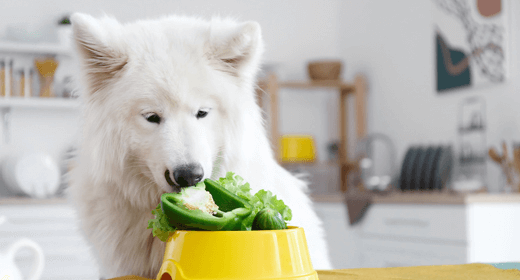
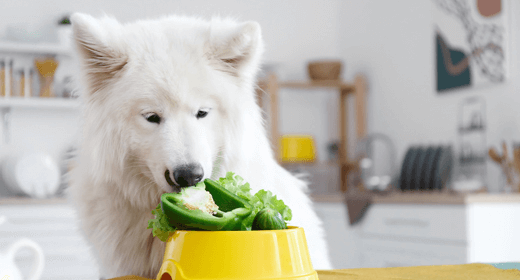
Your pooch’s diet defines its overall health and well-being. What it eats contributes to the amount of energy it has throughout the day. As a caregiver, it becomes your responsibility to provide the correct amount of nutrition and nourishment to your fur baby. Understanding the various components of your pet’s diet helps in providing them with the right nourishment.
Although everyone knows dogs need protein, carbohydrates, fat, vitamins, and minerals; did you know your canine friend also requires fiber in their diet? Even though fiber is not completely digestible it is an essential part of your pooch’s diet. High-fiber dog food aids in better digestion and bowel movement. Soluble fiber for dogs helps them in absorbing water. This type of fiber then gets fermented in their intestines to release fatty acids for better gut health. Other than soluble fiber, dogs also require insoluble fiber for better water absorption and digestion.
Fiber in dog food helps the dogs digest their food better. Proper digestion equates to better bowel movement and good gut and gastrointestinal health. Your canine friend’s food should contain at least 2-4% fiber to assist their gut health’s growth and development. Besides, fiber for dogs acts as an absorbing substance that collects excess water and acids. Given below are a few other benefits of fiber for dogs.
On average dogs need only 2-4% fiber in their daily diet. Anything beyond this measure can be considered excessive fiber consumption for dogs. While fiber is needed for better gut and gastrointestinal health, too much fiber for dogs can be a topic of concern. Given below are a few issues that may occur because of excessive fiber consumption.
Even if is fiber bad for dogs is a common query, the conclusion is fiber is needed for better digestion and gut health of your pooch. However, excess fiber consumption can lead to certain stomach and gut-related issues, while eating little to no fiber is also not a good choice. Avoiding fiber altogether can lead to the anal gland diseases and gut illness. Hence, as a pet parent, you must ensure your canine friend is provided with the right amount of fiber in their daily diet. Besides fiber dogs also need adequate amounts of protein, carbohydrates, and fat in their diet for consistent growth and development.
Yes, dogs need some amount of fiber in their diet to digest their food and absorb excess water.
On average dogs need to consume at least 2-4% fiber per meal. While their daily fiber consumption should not be anything more than 10%.
As fiber is not completely digestible, consuming too much fiber can lead to diarrhea and gas issues in dogs.
Yes, fiber consumption can increase your pet’s urge to poop or make them poop more as fiber helps in removing excess water, acid, and other undigested components from your pet’s body.
Dogs are goofy and cute animals that do the strangest things at times. We have all noticed puppies and dogs roll in the mud, lick their paws, or even sniff other dogs. Yet, the most disturbing sight is to witness a dog eating poop. Yes, dogs often try to eat their own poop, and at times another animal’s poop as well. This strange habit of dogs can be very worrisome to its caregivers, but why do dogs eat poop? Is there a valid reason for dogs to eat poop? Also, what happens if dogs eat poop? Well, there are numerous reasons to why dogs eat poop. Read the following to know more about this condition and why it occurs.
Coprophagia is a medical issue that conditions dogs to eat poop. It is a common condition and is believed to affect at least one in six dogs at a serious level, while at least one in four dogs have been caught trying to eat poop. This condition often occurs because of a decrease in the absorption of essential nutrients. Limited nutrients cause gastrointestinal issues which sometimes lead to coprophagia. A dog suffering from coprophagia finds their own as well as other animal’s stool appealing and appetizing. If you have noticed your dog eating poop or sniffing poop, then you should try to understand the reason for it before the condition exceeds.
Although coprophagia can cause dogs to eat poop, what causes this condition? Why do dogs eat their own poop because of coprophagia? Read the following to understand the various hypothesis that may be contributing to your pooch’s poop-eating habit.
If your dog eats poop there are chances of it suffering from numerous health concerns. Poop is simply waste that might carry harmful pathogens which can cause illness and uneasiness if consumed. Your pet might suffer from gastroenteritis, vomiting, decreased appetite, nausea, intestinal parasites, and diarrhea after consuming poop. Hence, it is necessary to identify the root cause of this habit and treat it at the earliest. Given below are a few steps that you can take to control and eventually stop your dog’s poop-eating habit.
Although coprophagia seems like a very serious condition, it is a very common condition. As mentioned previously one out of six dogs suffer from this condition, but with a little guidance and training, you can easily get it to stop consuming unpleasant hazardous things like garbage and poop. You should also try changing your dog’s food to more nutritious and nourishing food with high protein content, the right amount of fiber, and other nourishing elements like vitamins and minerals. However, if they continue eating poop, then you should visit a veterinarian doctor to get the condition diagnosed and treated at the earliest.