Enter a keyword below to search for articles and products.
Your pooch’s diet defines its overall health and well-being. What it eats contributes to the amount of energy it has throughout the day. As a caregiver, it becomes your responsibility to provide the correct amount of nutrition and nourishment to your fur baby. Understanding the various components of your pet’s diet helps in providing them with the right nourishment.
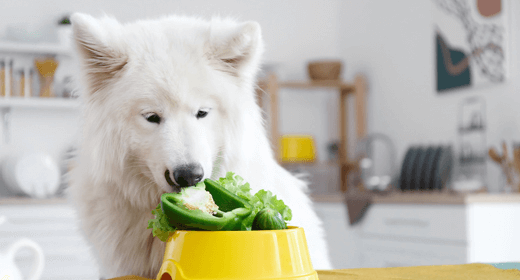
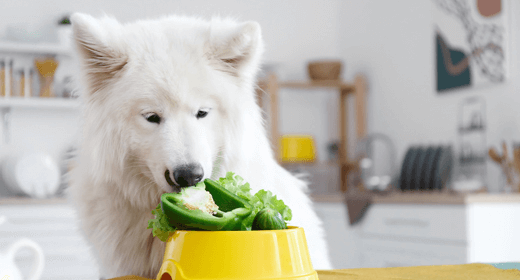
Although everyone knows dogs need protein, carbohydrates, fat, vitamins, and minerals; did you know your canine friend also requires fiber in their diet? Even though fiber is not completely digestible it is an essential part of your pooch’s diet. High-fiber dog food aids in better digestion and bowel movement. Soluble fiber for dogs helps them in absorbing water. This type of fiber then gets fermented in their intestines to release fatty acids for better gut health. Other than soluble fiber, dogs also require insoluble fiber for better water absorption and digestion.
Fiber in dog food helps the dogs digest their food better. Proper digestion equates to better bowel movement and good gut and gastrointestinal health. Your canine friend’s food should contain at least 2-4% fiber to assist their gut health’s growth and development. Besides, fiber for dogs acts as an absorbing substance that collects excess water and acids. Given below are a few other benefits of fiber for dogs.
On average dogs need only 2-4% fiber in their daily diet. Anything beyond this measure can be considered excessive fiber consumption for dogs. While fiber is needed for better gut and gastrointestinal health, too much fiber for dogs can be a topic of concern. Given below are a few issues that may occur because of excessive fiber consumption.
Even if is fiber bad for dogs is a common query, the conclusion is fiber is needed for better digestion and gut health of your pooch. However, excess fiber consumption can lead to certain stomach and gut-related issues, while eating little to no fiber is also not a good choice. Avoiding fiber altogether can lead to the anal gland diseases and gut illness. Hence, as a pet parent, you must ensure your canine friend is provided with the right amount of fiber in their daily diet. Besides fiber dogs also need adequate amounts of protein, carbohydrates, and fat in their diet for consistent growth and development.
Yes, dogs need some amount of fiber in their diet to digest their food and absorb excess water.
On average dogs need to consume at least 2-4% fiber per meal. While their daily fiber consumption should not be anything more than 10%.
As fiber is not completely digestible, consuming too much fiber can lead to diarrhea and gas issues in dogs.
Yes, fiber consumption can increase your pet’s urge to poop or make them poop more as fiber helps in removing excess water, acid, and other undigested components from your pet’s body.
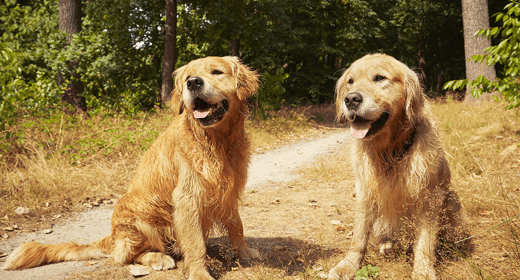
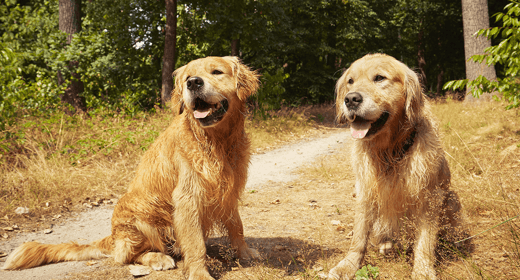
Whether your dog is a big sweetie, a big weirdo or a big athlete, here’s what you need to know about taking care of your big dog.
First, all big dogs start out as little dogs. But pretty soon they grow up — and so does their appetite, their toys, their dog bowls, the vet bill and their need for speed.
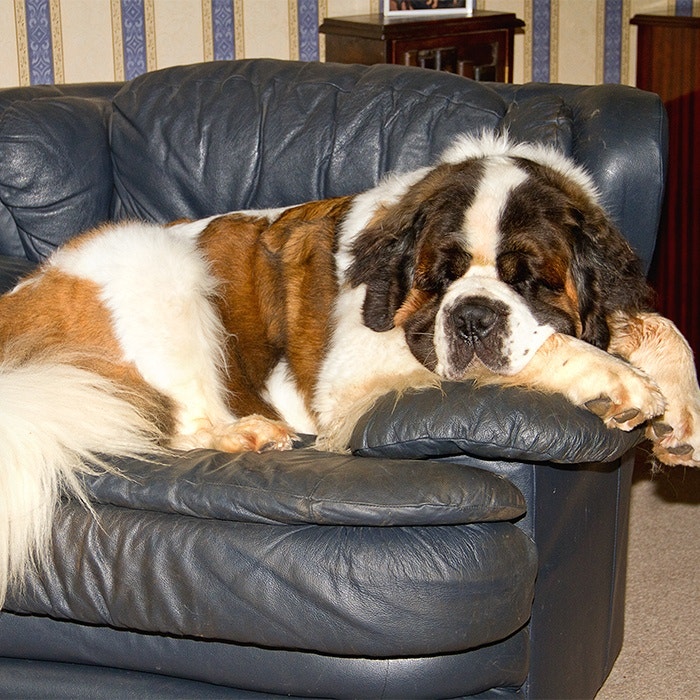
He started to grow.
And pretty soon
he was bigger than
the recliner.
Sometimes it can take more than two years for them to reach their full size.
And you won’t like to think about it too much, but their life spans are shorter, too: about 10 to 12 years.
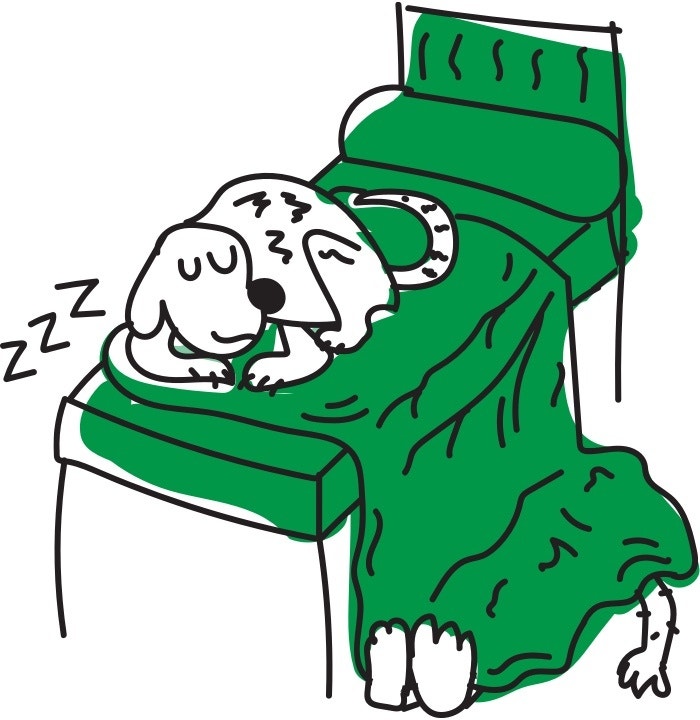
No wonder
you'll let him push
you off the bed
at night.
If a large dog gets too much food as a pup, they’re at a higher risk of growing too quickly, which can cause joint trouble.
For large breeds, being overweight is especially problematic. All that extra weight can be a lot for the joints to carry around.
Keep your good old dog healthy by practicing portion control and feeding nutritious food like IAMS™ Mature Adult Large Breed.
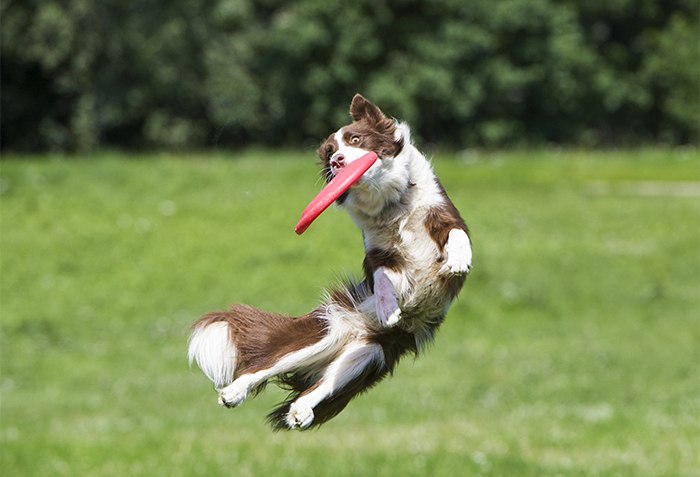
How will she catch
a screaming
15-mile-an-hour
Frisbee in midair
if she has knee trouble.
Back in the day, large-breed dogs were especially energetic. They were working dogs, herders, hunters, cart pullers and people protectors.
Who are we to deny their evolution?
Make sure your dog gets exercise every day.
How do you accomplish this? Walk, walk and more walk. And add in some running, jumping, chasing, hiking, fetching, dog-park visiting, swimming and even agility courses.
Repeat this mantra:
'I am the alpha.'
When it comes to training, think of it this way: The bigger the dog, the harder it is to hide behavior problems. And if you can’t control your super-sized soulmate, they could inadvertently cause damage or hurt someone.
Living large is all
about biting the
wind and living
that sweet,
sweet life.