Enter a keyword below to search for articles and products.
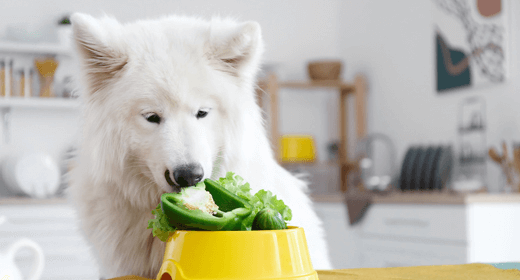
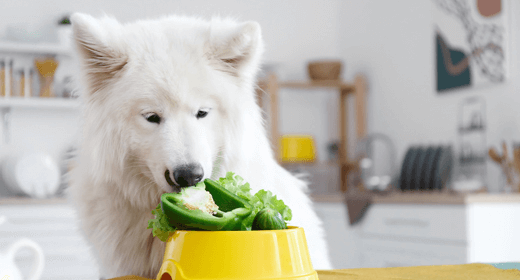
Your pooch’s diet defines its overall health and well-being. What it eats contributes to the amount of energy it has throughout the day. As a caregiver, it becomes your responsibility to provide the correct amount of nutrition and nourishment to your fur baby. Understanding the various components of your pet’s diet helps in providing them with the right nourishment.
Although everyone knows dogs need protein, carbohydrates, fat, vitamins, and minerals; did you know your canine friend also requires fiber in their diet? Even though fiber is not completely digestible it is an essential part of your pooch’s diet. High-fiber dog food aids in better digestion and bowel movement. Soluble fiber for dogs helps them in absorbing water. This type of fiber then gets fermented in their intestines to release fatty acids for better gut health. Other than soluble fiber, dogs also require insoluble fiber for better water absorption and digestion.
Fiber in dog food helps the dogs digest their food better. Proper digestion equates to better bowel movement and good gut and gastrointestinal health. Your canine friend’s food should contain at least 2-4% fiber to assist their gut health’s growth and development. Besides, fiber for dogs acts as an absorbing substance that collects excess water and acids. Given below are a few other benefits of fiber for dogs.
On average dogs need only 2-4% fiber in their daily diet. Anything beyond this measure can be considered excessive fiber consumption for dogs. While fiber is needed for better gut and gastrointestinal health, too much fiber for dogs can be a topic of concern. Given below are a few issues that may occur because of excessive fiber consumption.
Even if is fiber bad for dogs is a common query, the conclusion is fiber is needed for better digestion and gut health of your pooch. However, excess fiber consumption can lead to certain stomach and gut-related issues, while eating little to no fiber is also not a good choice. Avoiding fiber altogether can lead to the anal gland diseases and gut illness. Hence, as a pet parent, you must ensure your canine friend is provided with the right amount of fiber in their daily diet. Besides fiber dogs also need adequate amounts of protein, carbohydrates, and fat in their diet for consistent growth and development.
Yes, dogs need some amount of fiber in their diet to digest their food and absorb excess water.
On average dogs need to consume at least 2-4% fiber per meal. While their daily fiber consumption should not be anything more than 10%.
As fiber is not completely digestible, consuming too much fiber can lead to diarrhea and gas issues in dogs.
Yes, fiber consumption can increase your pet’s urge to poop or make them poop more as fiber helps in removing excess water, acid, and other undigested components from your pet’s body.


Just like humans, dogs too need constant care and support throughout their lifetime. We all know puppies need more attention and care; however, did you know? Adult dog health is also equally important. In fact, dogs’ health is the primary responsibility of every pet parent. Providing the right nutrition and health care largely contributes to your pooch’s health. Keeping the four-legged angel away from the harmful pathogens, germs, and unhygienic surroundings is also a prime responsibility of every caregiver. A dog’s behavior, mood, and diet can say a lot about its baby’s health and fitness. Hence, as a dog parent, you must keep a close eye on your pet’s behavioral changes.
There are many signs that help pet caregivers keep a tab on their canine companion’s health. Given below are a few signs to look for to understand your dog’s health and fitness status:
Knowing about the symptoms of a sick dog helps caregivers identify and treat their pooch’s medical condition in time. Given below are a few signs and symptoms that might help you recognize any dog illness:
Maintaining your pet’s health is an essential part of caring for them. Visiting a vet is necessary for getting your pooch vaccinated and regularly checked. Veterinarian doctors also prepare diet charts and suggest health supplements for your dog depending on its health requirements. In conclusion, looking for signs of sickness and constantly inspecting your dog's physical and psychological well-being ensures that your furry friend is hale and hearty.