Enter a keyword below to search for articles and products.
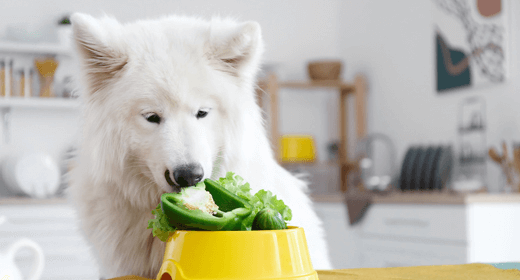
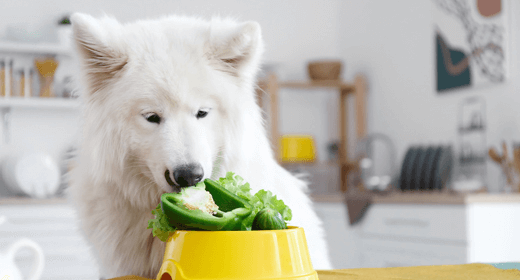
Your pooch’s diet defines its overall health and well-being. What it eats contributes to the amount of energy it has throughout the day. As a caregiver, it becomes your responsibility to provide the correct amount of nutrition and nourishment to your fur baby. Understanding the various components of your pet’s diet helps in providing them with the right nourishment.
Although everyone knows dogs need protein, carbohydrates, fat, vitamins, and minerals; did you know your canine friend also requires fiber in their diet? Even though fiber is not completely digestible it is an essential part of your pooch’s diet. High-fiber dog food aids in better digestion and bowel movement. Soluble fiber for dogs helps them in absorbing water. This type of fiber then gets fermented in their intestines to release fatty acids for better gut health. Other than soluble fiber, dogs also require insoluble fiber for better water absorption and digestion.
Fiber in dog food helps the dogs digest their food better. Proper digestion equates to better bowel movement and good gut and gastrointestinal health. Your canine friend’s food should contain at least 2-4% fiber to assist their gut health’s growth and development. Besides, fiber for dogs acts as an absorbing substance that collects excess water and acids. Given below are a few other benefits of fiber for dogs.
On average dogs need only 2-4% fiber in their daily diet. Anything beyond this measure can be considered excessive fiber consumption for dogs. While fiber is needed for better gut and gastrointestinal health, too much fiber for dogs can be a topic of concern. Given below are a few issues that may occur because of excessive fiber consumption.
Even if is fiber bad for dogs is a common query, the conclusion is fiber is needed for better digestion and gut health of your pooch. However, excess fiber consumption can lead to certain stomach and gut-related issues, while eating little to no fiber is also not a good choice. Avoiding fiber altogether can lead to the anal gland diseases and gut illness. Hence, as a pet parent, you must ensure your canine friend is provided with the right amount of fiber in their daily diet. Besides fiber dogs also need adequate amounts of protein, carbohydrates, and fat in their diet for consistent growth and development.
Yes, dogs need some amount of fiber in their diet to digest their food and absorb excess water.
On average dogs need to consume at least 2-4% fiber per meal. While their daily fiber consumption should not be anything more than 10%.
As fiber is not completely digestible, consuming too much fiber can lead to diarrhea and gas issues in dogs.
Yes, fiber consumption can increase your pet’s urge to poop or make them poop more as fiber helps in removing excess water, acid, and other undigested components from your pet’s body.


Low-cost food might be better for your wallet, but it can be a raw deal for your dog, because he may not get the nutrition he needs. Premium foods, such as IAMS™ ProActive Health™ Smart Puppy Original , make sense both nutritionally (because of consistent, high-quality ingredients) and economically because they provide:
The investment in a premium food might initially cost more per bag, but because these high-quality formulas are high in nutrient density, your dog may need less food, which can offset the higher cost per unit of weight. On a cost-per-feeding basis, look at how much you feed each day as opposed to how much the bag costs, because nutrient and energy density will generally be lower for a low-cost food compared with premium foods.
With budget-priced formulas, the emphasis is on production and ingredient costs. Two bags of the same least-cost formulated food can have different ingredients and/or levels of ingredients. Plus, those ingredients may vary significantly in digestibility. This means, simply, that you may need to feed more just to equal the nutrition offered by a smaller amount of a premium dog food formula.
High-quality, complete, and balanced premium dog foods such as the IAMS brands are specifically designed to provide your dog with a food that has:
To determine how much food to give your dog, check the daily feeding recommendations set by the pet food manufacturer and read the label. To calculate portion sizes, divide the total daily recommended amount by the number of times (usually two for adult dogs) you plan to feed your dog.
To tell if your dog is at a healthy weight, move your hands along his sides. If you can feel his ribs, he's about right. Or, look down at him when you're directly above him. You should be able to see a waistline.
If he's gaining or losing a lot of weight, slightly decrease or increase his daily intake and weigh him in another week. If you have specific concerns about your dog's weight, talk to your veterinarian. He or she can assess your dog's needs and make a feeding recommendation.
Once you've decided on a premium formula, you have another choice to make: dry or moist. And what about biscuits?
Premium dry dog food gives you the best value and convenience, while fortifying your dog with high-quality nutrition. Premium dry foods come in a number of bag sizes and formulas suited to size, life stage, and activity level. Dry food also helps keep teeth clean, and it stays fresh for a long time if you store it properly.
Wet foods from IAMS provide 100% complete nutrition. IAMS ProActive Health Puppy Biscuits make great treats and rewards and can add taste variety to your new dog's diet.