Enter a keyword below to search for articles and products.
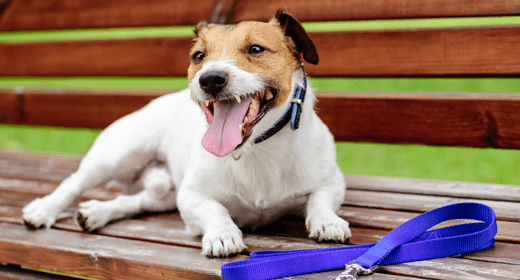
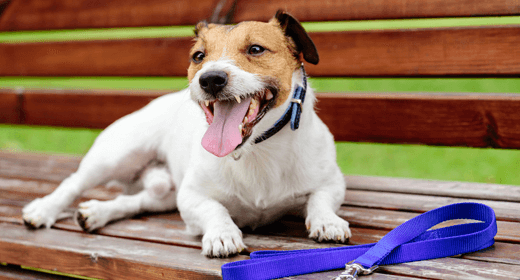
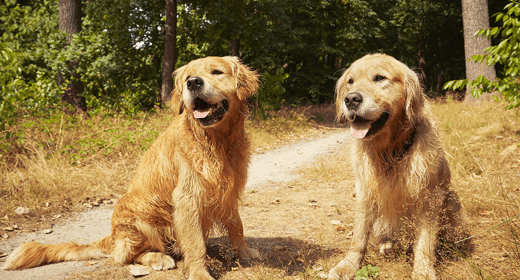
We all adore the sight of our furry friends panting, tongues lolling out in playful exhaustion after a spirited game of fetch or on a warm, sunny afternoon. But have you ever stopped to wonder about the deeper meaning behind this seemingly simple act? What does it tell us about our dog's health and well-being?
While we may find dog panting endearing, it serves a far more crucial purpose than just a cute quirk. Panting is an essential element of canine physiology, playing a vital role in regulating body temperature and communicating emotional states. Knowing the different types of dog panting and their underlying causes can be crucial in providing the best care for our beloved companions.
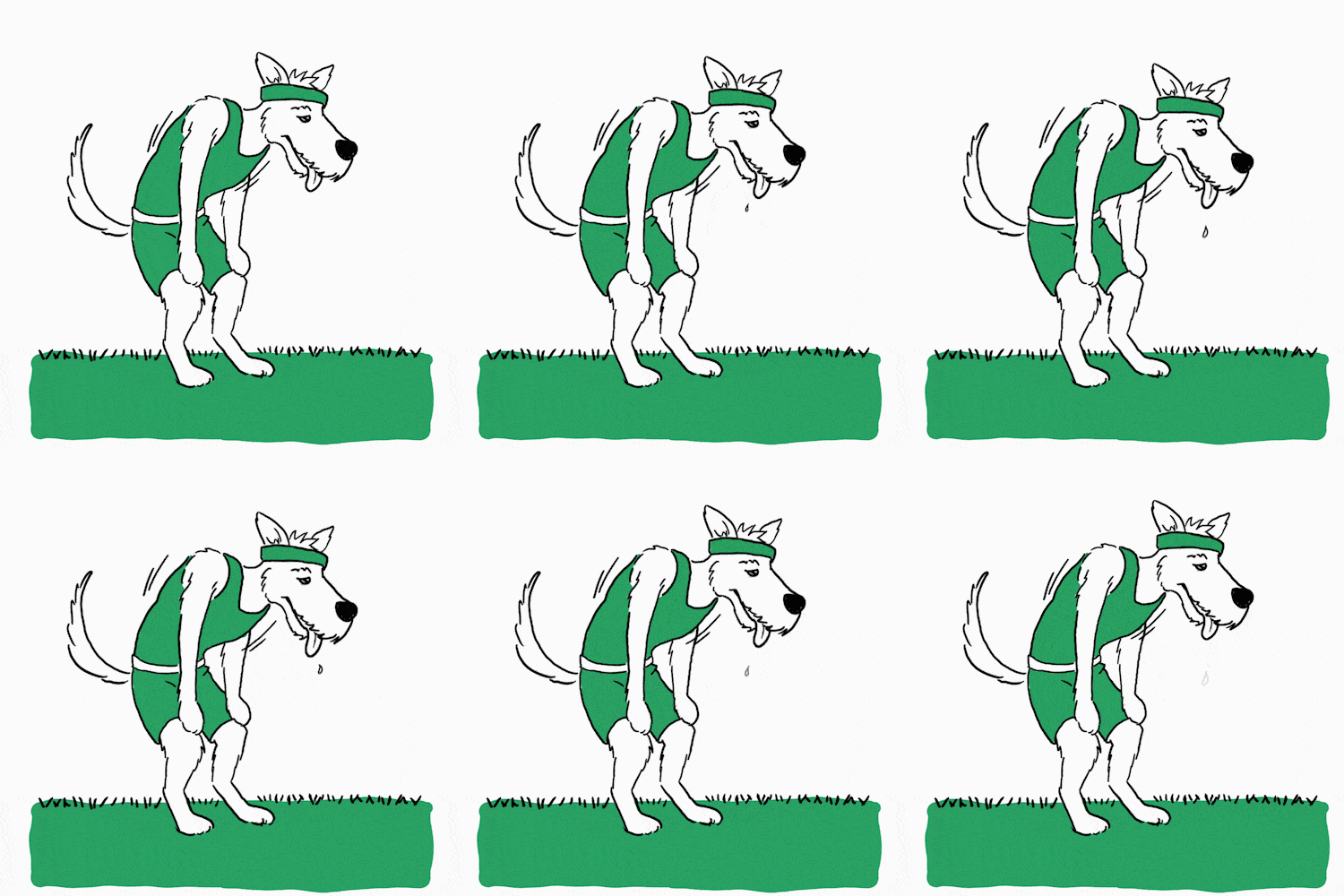
Dogs pant to regulate their body temperature, a mechanism similar to how humans sweat. While some panting is normal, excessive or unusual panting can be a sign of an underlying health issue.
Understanding why your dog pants is crucial for their health and well-being. While we've previously discussed how panting is their primary cooling mechanism, there's more to the story than just regulating body temperature.
Seeing your beloved furry friend struggling to breathe can be a harrowing experience. But before jumping to conclusions, it's important to stay calm and assess the situation. Here's what you can do when your dog is panting heavily:
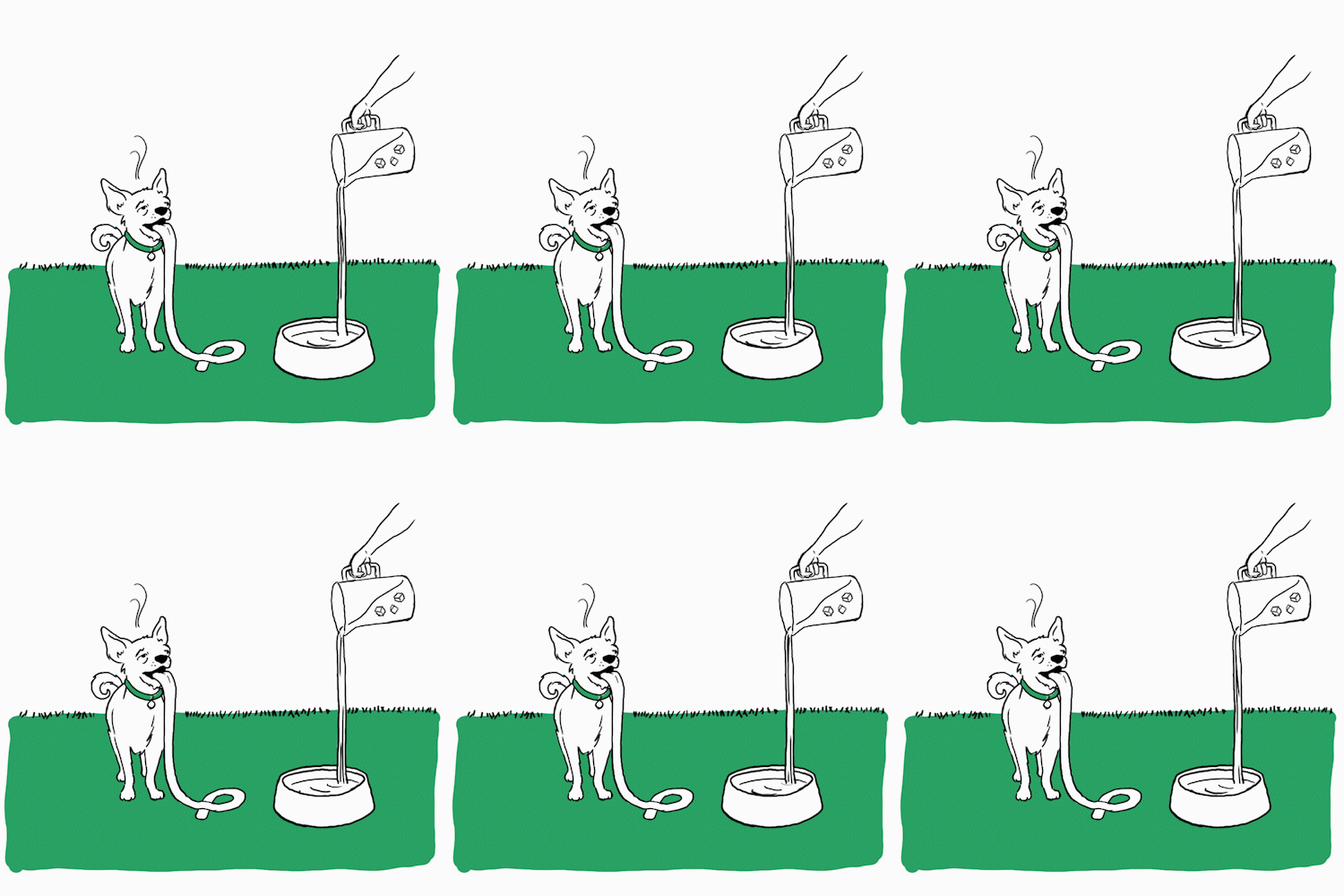
If any of these factors are present, the panting is likely a normal physiological response to regulate their body temperature or manage stress. In this case, simply provide your dog with a cool, quiet space, offer fresh water, and allow them to rest.
Pay close attention to any deviations from their normal breathing patterns. Excessive panting in dogs, especially at rest or in a cool environment, may indicate an underlying medical condition and warrants further investigation.
These initial steps can help alleviate panting caused by heat or stress.
While dogs naturally pant for various reasons, like regulating their body temperature or expressing excitement, excessive or unusual panting can be a sign of an underlying health issue. Knowing when to seek veterinary attention is crucial to ensure your furry friend's well-being.
Here's when you should be concerned about your dog's panting:
Panting is a natural and essential part of a dog's physiology, but it's crucial to differentiate between normal panting and signs of distress. By understanding the reasons behind your dog's panting and knowing when to seek help, you can ensure they live a happy, healthy life.
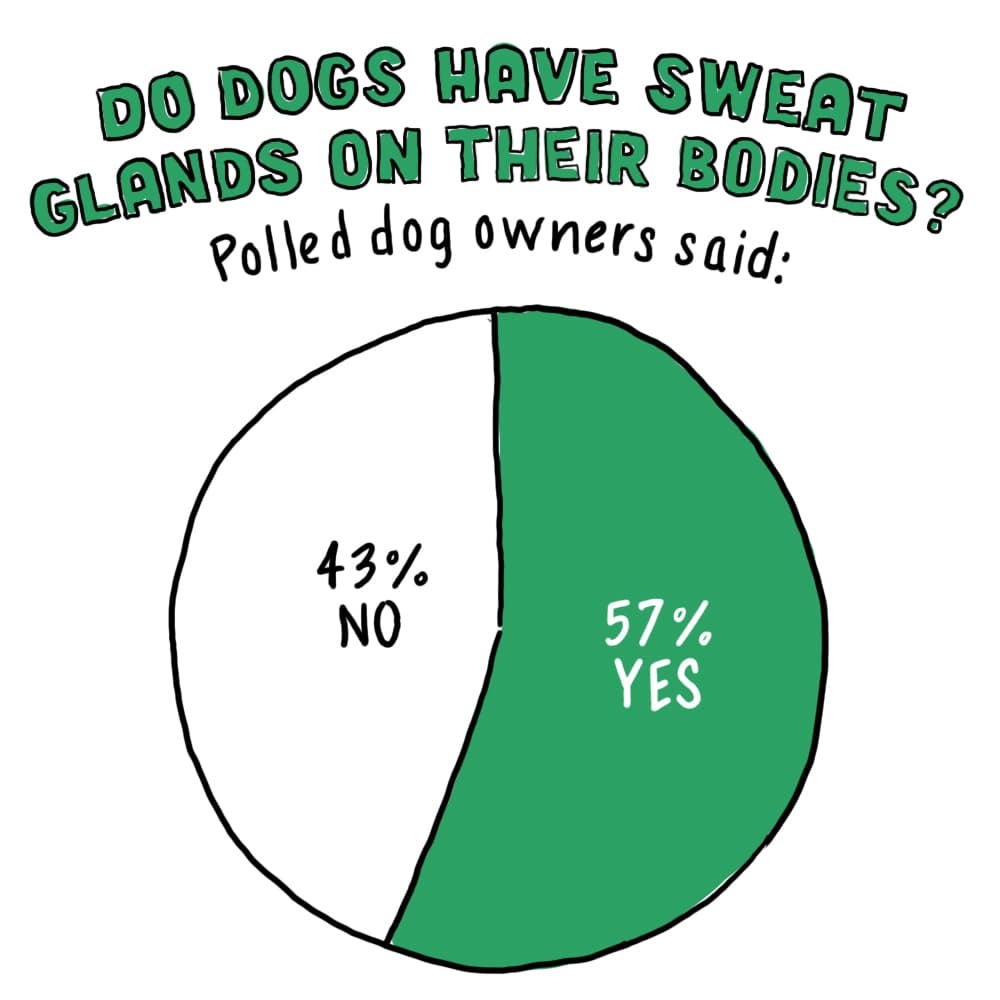
Dogs pant primarily to regulate their body temperature. Since they can't sweat through their skin like humans, they release heat by panting, which involves rapid breathing that helps to cool their body.
If your dog is breathing fast while resting, it could be a sign of distress or an underlying health issue. Normal panting is usually seen after exercise or in hot weather, but fast breathing at rest might indicate a problem and should be checked by a vet.
Concern arises when panting is excessive, continuous, or happens during rest. Look for accompanying signs like lethargy, reluctance to move or eat, and changes in gum color. In such cases, it's best to consult a veterinarian.
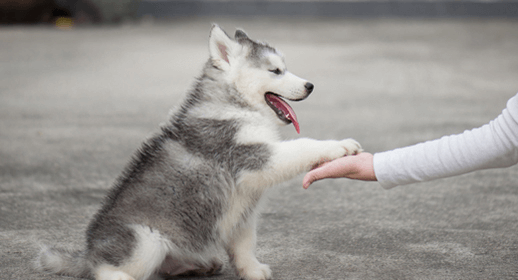
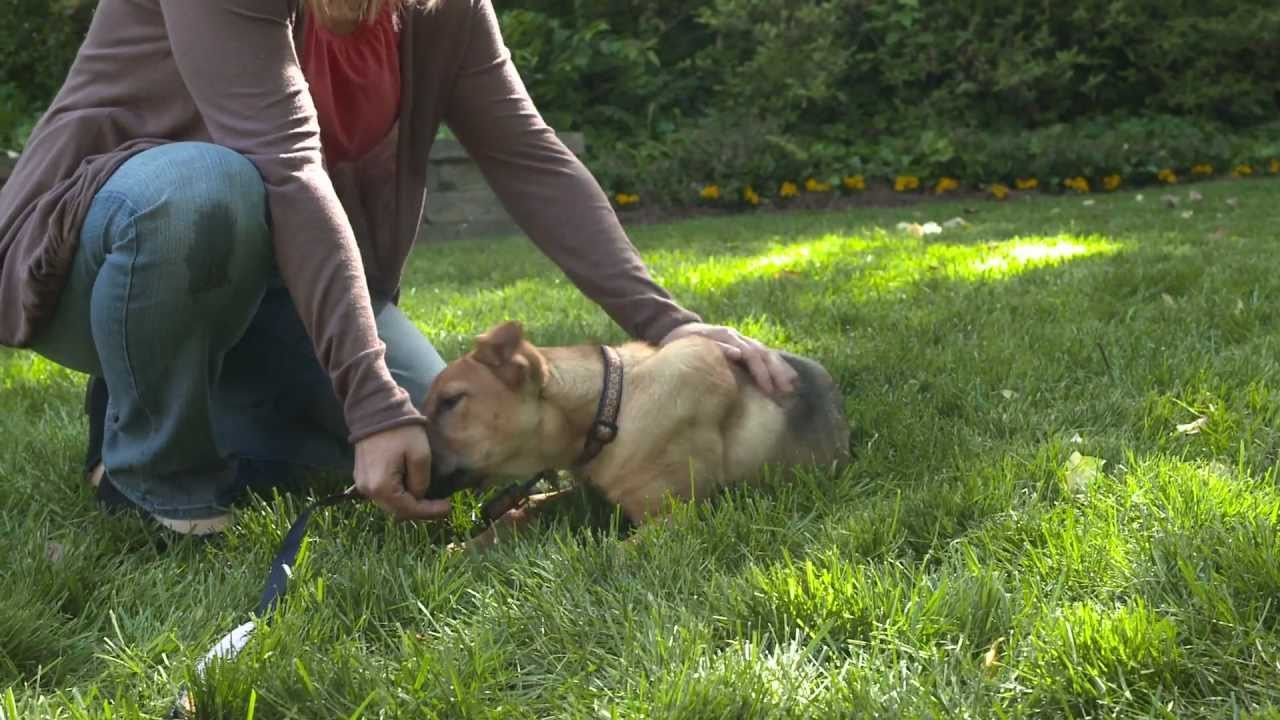
Join Expert Dog Trainer Kathy Santo as she goes through the basics of puppy obedience training. She’ll show you how to train your puppy to follow three basic commands: “sit”, “lie down”, and “stay. Then she’ll discuss how proper nutrition plays an important role in the overall training process.
Hi, I'm Kathy Santo with IAMS, and today we're going to discuss basic puppy obedience training. Obedience training is one of the best things you can do for you and your puppy. So this video will focus on the three basic commands: sit, lie down, and stay. A puppy can learn a great deal, even as early as seven weeks of age, if learning is fun and presented in the form of play. To establish a positive rapport with your puppy and prevent many future problems, start training a few days after your puppy settles in. A relationship based on friendship and trust will ensure that he tries hard to win you praise and approval. Before giving a word command to your puppy, speak his name to get his attention. Then speak a one word command, such as stay, sit, come, or heel. Your puppy won't respond to commands until he knows his name. Don't get impatient. The quickest way to teach your puppy his name is to reward him every time he looks at you. Always train when your puppy is hungry, lonely, or bored. When all his needs are met, he won't be as motivated to do as you say. For example, training right before meals will help him associate his meal with a reward for the training, and also make him more interested in the treat you use in your training session. Also, remember to use motivation, not negative reinforcement. Reinforce desired behaviors by offering toys, food, and praise, so the puppy wants to obey. Different dogs value different rewards. Some may think a tennis ball is the best thing in the world, while another puppy may find a tennis ball meaningless, but would do nearly anything for the chance to have a treat. Never use physical punishment on a young puppy, as you may scar him both mentally and physically. Also, refrain from calling your dog to come to you for punishment, because this will teach your dog not to come on command. Dogs can feel human emotions, so stay relaxed, firm, and confident. Be sure to keep any frustration out of the tone of your voice. And if you feel yourself becoming frustrated, take a break. Your dog can sense this, and will start to associate training with your unhappiness. Most puppies, like young children, enjoy learning, but have short attention spans. Training sessions should be frequent and short to prevent your dog from becoming bored. 10 to 15 minute sessions, two or three times a day, is ideal. The first command I'm going to show you is sit. Your puppy's on the leash, and you're sitting on the ground with a leash under your legs, so he can't take a field trip away from you. Hold your hand high over his head with the reward in it. Your dog will look up at the reward. Use your other hand to gently guide your dog into a sitting position, and say in a clear, firm, tone, 'sit,' while still holding the reward in the air above the dog's head. When your dog sits, give them the treat, and verbally praise him. The second command I like to teach is lie down. Have your dog sit. Let him know you have the treat, but don't give it to him. Slowly lower your hand with the treat to the floor to bring your pup's nose close to the ground. When he starts to follow it, say 'lie down.' Once he's fully on the floor, you can give him the treat. Repeat saying lie down and rewarding correct behavior. Now for stay. Have your dog sit. Let him know you have the treat, but don't give it to him. Go in front of your puppy, raise your open hand, and say 'stay' firmly, so your puppy can associate your open hand with what he's learning. Start to move away from your puppy while occasionally repeating the stay command. Start with only a few seconds of staying at a time, and then move to slightly longer amounts. Always come back and reward your puppy if he follows instructions. The last thing I'd like to talk about is nutrition, and its implications on puppy training. Good nutrition leads to a healthy dog with higher quality of poop, and more predictable and balanced behavior, so he's easier to train. Make sure your puppy is getting the well balanced diet he needs for optimal development. For more information on puppy nutrition, watch the video 'What is the best puppy food for your puppy?' I'm Kathy Santo with IAMS, and I hope that you found this helpful as you welcome your new addition into your family.