IAMS PH
Why Do Dogs Eat Poop?

adp_description_block466
Why do Dogs Eat Poop?

  • Share

Dogs are goofy and cute animals that do the strangest things at times. We have all noticed puppies and dogs roll in the mud, lick their paws, or even sniff other dogs. Yet, the most disturbing sight is to witness a dog eating poop. Yes, dogs often try to eat their own poop, and at times another animal’s poop as well. This strange habit of dogs can be very worrisome to its caregivers, but why do dogs eat poop? Is there a valid reason for dogs to eat poop? Also, what happens if dogs eat poop? Well, there are numerous reasons to why dogs eat poop. Read the following to know more about this condition and why it occurs.
 

Why do dogs like to eat poop?

Coprophagia is a medical issue that conditions dogs to eat poop. It is a common condition and is believed to affect at least one in six dogs at a serious level, while at least one in four dogs have been caught trying to eat poop. This condition often occurs because of a decrease in the absorption of essential nutrients. Limited nutrients cause gastrointestinal issues which sometimes lead to coprophagia. A dog suffering from coprophagia finds their own as well as other animal’s stool appealing and appetizing. If you have noticed your dog eating poop or sniffing poop, then you should try to understand the reason for it before the condition exceeds.
 

Why do dogs eat their own poop?

Although coprophagia can cause dogs to eat poop, what causes this condition? Why do dogs eat their own poop because of coprophagia? Read the following to understand the various hypothesis that may be contributing to your pooch’s poop-eating habit.

  • Motherly instinct: Most new and nursing momma pooches are found eating their puppies’ poop. Female furballs often do this to keep their kennel clean after their little one has littered the area. Your pet might eat its puppies’ poop to protect it from predators that might follow the poop’s smell. This condition can easily be controlled by always keeping your fur ball’s bed and kennel clean. You can install a puppy pee pad that can be regularly changed and cleaned to ensure the newborns are in sanitary conditions. Keeping the mother dog and puppies in a clean and tidy environment can immediately stop their willingness to eat poop.
  • Finds poop tasty: Poop is basically digested food. Therefore, one of the reasons for your dog to eat poop could be they simply find other animals’ stool more appetizing. If you notice your pooch trying to eat certain animal poops such as rabbits, cats, cows, etc. then they might like the taste of digested plants. In such cases, you can always consult their vet and get a preferred dog food prescription that might help in curbing your pet’s cravings.
  • Going through anxiety: One of the reasons your dog prefers eating poop could also be linked to anxiety. Dogs often get anxious because of new surroundings, unfamiliar sounds, and other similar reasons. Anxiety can lead to dogs getting involved in displacement behavior such as eating poop. At such times pet parents should try to identify the cause of anxiety and resolve the issue to control coprophagia.
  • Lack of nutrition: Sometimes dogs might feast on a stool to make up for the nutrition they are lacking. Feeding your pet, a nutrition deficit diet can lead them to eat poop. Indigestion, underfeeding, lack of vitamins and minerals, and parasites are some other reasons that might cause a lack of nutrition and an increase in the dog's urge for eating poop.
  • Need for attention: Dogs are also notorious for seeking attention with unusual activities. Your canine friend might do the most absurd thing to get some extra attention. Eating their own poop or others' poop can be one such act. In such situations, you can easily get your pooch to give up the habit by training it and giving it some extra love and attention.

What happens if dogs eat poop?

If your dog eats poop there are chances of it suffering from numerous health concerns. Poop is simply waste that might carry harmful pathogens which can cause illness and uneasiness if consumed. Your pet might suffer from gastroenteritis, vomiting, decreased appetite, nausea, intestinal parasites, and diarrhea after consuming poop. Hence, it is necessary to identify the root cause of this habit and treat it at the earliest. Given below are a few steps that you can take to control and eventually stop your dog’s poop-eating habit.

  • Training: It is easy to train your dogs to follow a certain command or pattern. Therefore, getting your dog to stop eating poop can also be taught through training. You can simply train them to not eat poop by using a stern and commanding voice each time they try to eat stool. However, ensure to treat them with their favorite treat each time they listen to you. Follow this activity regularly until they stop trying to eat poop. Training a dog can sometimes take weeks, so you need to be patient and consistent while training.
  • Redirecting attention: If your pet eats poop to seek attention or out of anxiety, then you can easily get it to stop by giving them some attention. Starting a game of fetch, offering their favorite toy or treat, or simply calling their name are some ways to distract your pooch from consuming stool.
  • Make poop less appealing: Keep the pooch away from the general toilet area and use a commanding tone every time they try to get needed poop. This will make them stay away from poop to avoid trouble. Making poop less appealing and treating it like a hazard can make your furball eventually stay away from poop. Potty training your dog and clean up soon after they have done the deed also helps in controlling their urge to eat poop.

Although coprophagia seems like a very serious condition, it is a very common condition. As mentioned previously one out of six dogs suffer from this condition, but with a little guidance and training, you can easily get it to stop consuming unpleasant hazardous things like garbage and poop. You should also try changing your dog’s food to more nutritious and nourishing food with high protein content, the right amount of fiber, and other nourishing elements like vitamins and minerals. However, if they continue eating poop, then you should visit a veterinarian doctor to get the condition diagnosed and treated at the earliest.

Frequently asked questions

  1. Is dog eating poop normal?
  2. Yes, it is dogs who often eat poop because of various reasons ranging from anxiety to lack of nutrition. At least one in six dogs consume poop, but this habit can be controlled by taking the right measures.

  3. Can dogs get sick from eating poop?
  4. Yes, poop is bodily waste that contains a lot of harmful germs, undigested food, and other harmful substances. Dogs can suffer from nausea, digestive issues, vomiting, and diarrhea because of eating poop.

  5. How do I clean my dog's mouth after eating poop?
  6. If your dog has eaten poop, then you can do the following things to clean its mouth.
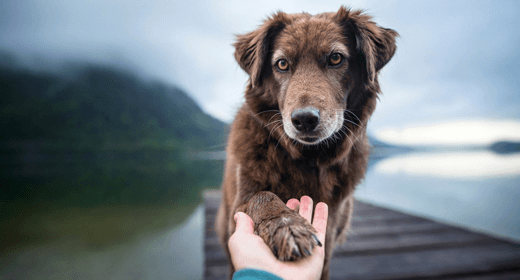
    • Wipe their mouth with a clean cloth.
    • Use a dog toothbrush to remove dirt.
    • Offer a dental stick to chew on. This will help get rid of the unpleasant stink and impurities.
    • Lastly, offer it food and water to wash away the unpleasant stench.
  • Keeping Your Dog Safe from Fleas and Ticks
    Keeping Your Dog Safe from Fleas and Ticks
    adp_description_block90
    Keeping Your Dog Safe from Fleas and Ticks

    • Share

    Dogs bring us immense joy and companionship, and we naturally want them to live happy and healthy lives. However, a hidden threat lurks in the shadows, capable of jeopardizing the health of our furry friends: infestations of fleas and ticks. These tiny parasites, barely visible to the naked eye, pose a significant danger, requiring our vigilance and prompt action to protect the ones we love.
     

    Lifecycle of fleas and ticks

    To effectively protect your dog, it's crucial to understand the lifecycles of these parasites.
     

    Fleas:

    Fleas have a four-stage life cycle:

    • Egg: Adult female fleas lay eggs on your dog after feeding. These eggs are tiny, white, and fall off into the surrounding environment, often carpets, bedding, and cracks in the floor.
    • Larva: After hatching, the flea larvae become small, worm-like creatures that feed on organic matter in their environment.
    • Pupa: Larvae eventually spin a protective cocoon and enter the pupal stage. This stage can be dormant for months, making them difficult to eliminate.
    • Adult: Adult fleas emerge from the pupae, ready to jump onto your dog, feed on their blood, and lay eggs, restarting the cycle.

    Ticks:

    Ticks, while different in their lifecycle, pose a similar threat. They follow these stages:

    • Egg: Adult female ticks lay thousands of eggs in the environment, often in tall grass or wooded areas.
    • Larva: After hatching, tick larvae are six-legged and actively seek a host. They climb onto a dog's body and feed on its blood for several days before dropping off to molt.
    • Nymph: The larvae develop into eight-legged nymphs, requiring another blood meal to grow.
    • Adult: Adult ticks seek a final blood meal, attaching to a dog and feeding for several days before detaching to mate and lay eggs, completing the cycle.

    Symptoms of flea and tick infestation

    Early detection is key in managing these parasites.
     

    Fleas on dogs:

    Fleas are small, wingless insects that feed on the blood of dogs. They can cause various problems for your dog, including:

    • Excessive scratching: This is the most common symptom of fleas on dogs. The itching is caused by the flea bites and the allergic reaction your dog's skin has to the flea saliva.
    • Hair loss: Fleas can cause hair loss, especially around the base of the tail and on the belly.
    • Irritated skin: Flea bites can cause red, irritated skin.
    • Pale gums: In severe cases of flea infestation, your dog may develop anemia, which can cause pale gums.
    • Flea dirt: Flea dirt refers to the waste produced by fleas. It looks like small, black specks and can be found in your dog's fur or on their bedding.

    Ticks on dogs:

    Ticks are larger than fleas and have eight legs. They latch onto your dog's skin and feed on their blood. Ticks can transmit various diseases to dogs, including Lyme disease, anaplasmosis, and Rocky Mountain spotted fever. Here are some signs of ticks on your dog:

    • Visible ticks: Ticks are usually easy to spot. Look for them on your dog's head, neck, ears, paws, and groin.
    • Red, swollen bumps: Ticks leave a red, swollen bump on your dog's skin after they have attached themselves.
    • Lethargy: Your dog may seem lethargic or tired if they have a tick infestation.
    • Fever: A fever can be a sign that your dog has a tick-borne illness.

    Treatments for fleas and ticks

    Once you've identified an infestation, prompt and effective treatment is essential.
     

    Dog flea treatment:

    When dealing with fleas on dogs, a multi-pronged approach is often necessary. Here are some effective options:

    • Oral medications: These chewable tablets offer long-lasting protection against fleas and are easy to administer.
    • Topical treatments: These spot-on solutions are applied directly to your dog's skin between the shoulder blades. They provide effective flea control and may also repel ticks.
    • Flea shampoos and sprays: While not as long-lasting as oral medications or topical treatments, these products can help kill existing fleas on your dog. They can also be used in conjunction with other treatments for a more comprehensive approach.

    Consulting your veterinarian is crucial when choosing a flea treatment, as they can recommend the most appropriate option based on your dog's age, breed, and specific needs.
     

    Dog tick treatment:

    If you find a tick attached to your dog, it's essential to remove it promptly and safely. Here's how:

    • Use a pair of fine-tipped tweezers, ensuring to grip the tick as near to the skin's surface as feasible.
    • Gently yet firmly extract the tick using a straight, steady motion. Avoid twisting or crushing the tick, as this can release more saliva into the bite.
    • Once the tick is removed, place it in a sealed container and dispose of it properly. Do not crush it or flush it down the toilet.
    • Clean the bite site with alcohol or antiseptic wipes.

    Monitor your dog for any signs of infection, such as redness, swelling, or fever. If you notice any concerns, consult your veterinarian immediately.
     

    Important tip: Avoid using home remedies like petroleum jelly or matches to remove ticks, as these can cause the tick to release more saliva and potentially increase the risk of disease transmission.
     

    Flea and tick prevention for dogs

    A proactive approach is the best way to protect your dog from these pests.
     

    Early detection and elimination:

    • Regular checks: Inspect your dog's fur and skin, particularly around the head, ears, neck, and armpits, for signs of fleas or ticks on dogs.
    • Grooming: Brushing your dog regularly helps remove fleas and debris, making it easier to spot potential infestations.
    • Thorough cleaning: Wash your dog's bedding and regularly vacuum your home to eliminate any existing fleas and prevent future infestations.

    Proactive protection:

    • Year-round prevention: Don't let your guard down during cold weather. Fleas and ticks can survive indoors and remain active throughout the year.
    • Environmental treatment: If you suspect a flea or tick infestation in your home or yard, consult a pest control professional for effective treatment.
    • Travel precautions: Be extra vigilant when traveling with your dog, as new environments may harbor different parasite populations.

    Protecting your dog from fleas and ticks is crucial for their health and well-being. By implementing a regular prevention routine, combining medication with vigilance and proper hygiene, you can keep your furry friend safe and comfortable. Remember, consulting your veterinarian for personalized advice is the best way to ensure the most effective approach for your dog's specific needs.

Close modal