IAMS PH
Why Do Dogs Eat Poop?

adp_description_block271
Why do Dogs Eat Poop?

  • Share

Dogs are goofy and cute animals that do the strangest things at times. We have all noticed puppies and dogs roll in the mud, lick their paws, or even sniff other dogs. Yet, the most disturbing sight is to witness a dog eating poop. Yes, dogs often try to eat their own poop, and at times another animal’s poop as well. This strange habit of dogs can be very worrisome to its caregivers, but why do dogs eat poop? Is there a valid reason for dogs to eat poop? Also, what happens if dogs eat poop? Well, there are numerous reasons to why dogs eat poop. Read the following to know more about this condition and why it occurs.
 

Why do dogs like to eat poop?

Coprophagia is a medical issue that conditions dogs to eat poop. It is a common condition and is believed to affect at least one in six dogs at a serious level, while at least one in four dogs have been caught trying to eat poop. This condition often occurs because of a decrease in the absorption of essential nutrients. Limited nutrients cause gastrointestinal issues which sometimes lead to coprophagia. A dog suffering from coprophagia finds their own as well as other animal’s stool appealing and appetizing. If you have noticed your dog eating poop or sniffing poop, then you should try to understand the reason for it before the condition exceeds.
 

Why do dogs eat their own poop?

Although coprophagia can cause dogs to eat poop, what causes this condition? Why do dogs eat their own poop because of coprophagia? Read the following to understand the various hypothesis that may be contributing to your pooch’s poop-eating habit.

  • Motherly instinct: Most new and nursing momma pooches are found eating their puppies’ poop. Female furballs often do this to keep their kennel clean after their little one has littered the area. Your pet might eat its puppies’ poop to protect it from predators that might follow the poop’s smell. This condition can easily be controlled by always keeping your fur ball’s bed and kennel clean. You can install a puppy pee pad that can be regularly changed and cleaned to ensure the newborns are in sanitary conditions. Keeping the mother dog and puppies in a clean and tidy environment can immediately stop their willingness to eat poop.
  • Finds poop tasty: Poop is basically digested food. Therefore, one of the reasons for your dog to eat poop could be they simply find other animals’ stool more appetizing. If you notice your pooch trying to eat certain animal poops such as rabbits, cats, cows, etc. then they might like the taste of digested plants. In such cases, you can always consult their vet and get a preferred dog food prescription that might help in curbing your pet’s cravings.
  • Going through anxiety: One of the reasons your dog prefers eating poop could also be linked to anxiety. Dogs often get anxious because of new surroundings, unfamiliar sounds, and other similar reasons. Anxiety can lead to dogs getting involved in displacement behavior such as eating poop. At such times pet parents should try to identify the cause of anxiety and resolve the issue to control coprophagia.
  • Lack of nutrition: Sometimes dogs might feast on a stool to make up for the nutrition they are lacking. Feeding your pet, a nutrition deficit diet can lead them to eat poop. Indigestion, underfeeding, lack of vitamins and minerals, and parasites are some other reasons that might cause a lack of nutrition and an increase in the dog's urge for eating poop.
  • Need for attention: Dogs are also notorious for seeking attention with unusual activities. Your canine friend might do the most absurd thing to get some extra attention. Eating their own poop or others' poop can be one such act. In such situations, you can easily get your pooch to give up the habit by training it and giving it some extra love and attention.

What happens if dogs eat poop?

If your dog eats poop there are chances of it suffering from numerous health concerns. Poop is simply waste that might carry harmful pathogens which can cause illness and uneasiness if consumed. Your pet might suffer from gastroenteritis, vomiting, decreased appetite, nausea, intestinal parasites, and diarrhea after consuming poop. Hence, it is necessary to identify the root cause of this habit and treat it at the earliest. Given below are a few steps that you can take to control and eventually stop your dog’s poop-eating habit.

  • Training: It is easy to train your dogs to follow a certain command or pattern. Therefore, getting your dog to stop eating poop can also be taught through training. You can simply train them to not eat poop by using a stern and commanding voice each time they try to eat stool. However, ensure to treat them with their favorite treat each time they listen to you. Follow this activity regularly until they stop trying to eat poop. Training a dog can sometimes take weeks, so you need to be patient and consistent while training.
  • Redirecting attention: If your pet eats poop to seek attention or out of anxiety, then you can easily get it to stop by giving them some attention. Starting a game of fetch, offering their favorite toy or treat, or simply calling their name are some ways to distract your pooch from consuming stool.
  • Make poop less appealing: Keep the pooch away from the general toilet area and use a commanding tone every time they try to get needed poop. This will make them stay away from poop to avoid trouble. Making poop less appealing and treating it like a hazard can make your furball eventually stay away from poop. Potty training your dog and clean up soon after they have done the deed also helps in controlling their urge to eat poop.

Although coprophagia seems like a very serious condition, it is a very common condition. As mentioned previously one out of six dogs suffer from this condition, but with a little guidance and training, you can easily get it to stop consuming unpleasant hazardous things like garbage and poop. You should also try changing your dog’s food to more nutritious and nourishing food with high protein content, the right amount of fiber, and other nourishing elements like vitamins and minerals. However, if they continue eating poop, then you should visit a veterinarian doctor to get the condition diagnosed and treated at the earliest.

Frequently asked questions

  1. Is dog eating poop normal?
  2. Yes, it is dogs who often eat poop because of various reasons ranging from anxiety to lack of nutrition. At least one in six dogs consume poop, but this habit can be controlled by taking the right measures.

  3. Can dogs get sick from eating poop?
  4. Yes, poop is bodily waste that contains a lot of harmful germs, undigested food, and other harmful substances. Dogs can suffer from nausea, digestive issues, vomiting, and diarrhea because of eating poop.

  5. How do I clean my dog's mouth after eating poop?
  6. If your dog has eaten poop, then you can do the following things to clean its mouth.
    • Wipe their mouth with a clean cloth.
    • Use a dog toothbrush to remove dirt.
    • Offer a dental stick to chew on. This will help get rid of the unpleasant stink and impurities.
    • Lastly, offer it food and water to wash away the unpleasant stench.
  • Train Your Puppy Like a Pro
    Train Your Puppy Like a Pro
    adp_description_block68
    Train Your Puppy Like a Pro

    • Share

    Congrats! Your adorable li’l bundle of fur is finally home. Now it’s time to train your pup like a pro with our essential puppy training techniques and tips for three important topics:


    How to Housetrain Your Puppy

    Most experts suggest potting training a puppy when they’re between 12 and 16 weeks old.

    Before you begin, though, set your puppy up for success by giving them a confined space in your house, whether that’s in a crate, a small room with a baby gate or on a tethered leash, so you can keep an eye on them and prevent accidents.


    Create a Regular Feeding Schedule and Take Away Food Between Meals

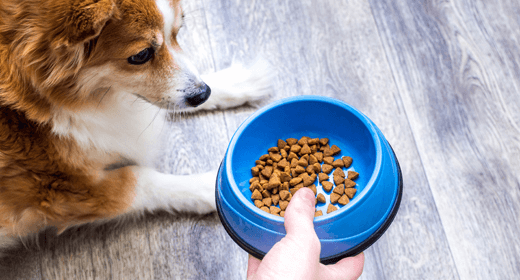
    Most puppies need to eat three to four times a day, so feed your furry friend delicious,  specially formulated IAMS™ Puppy Food at the same times every day. The food is easy to digest and will help keep your puppy’s potty breaks on a fairly predictable schedule, which is a win-win for both of you.


    Take Your Puppy Outside Often

    We recommend every hour or two at first, depending on your pup’s breed and size. Also take them out right after they wake up in the morning or from a nap, after they eat or drink and after play sessions.


    Pick Up Your Pup’s Water Bowl before Bedtime

    Removing access to water two hours before bed time and scheduling a bathroom break right before bed will help your li’l baby sleep through the night. Most puppies can sleep about seven hours without having to go. But if your puppy does need to go out, be low-key about it. Take them outside, allow them to go and put them right back in their sleeping space.


    Pick a Potty Spot Outside

    By taking your puppy on a leash to the same spot every time, you’re saying to them, “This is where you do your business.” The scent in this spot will encourage them to go. Also, use a consistent phrase like “go potty” as your puppy does their business. Eventually, that’s all you’ll have to say to prompt them.


    We recommend using a leash so your puppy knows exactly where they need to go and doesn’t get distracted on the way — which, of course, is what puppies do.


    Reward Your Puppy Every Time

    Give your little pooch lots of praise after they do their business so they learn your expectations. You can also give them a treat, but do it immediately after they go so they associate the treat with the behavior. Going for a walk around the neighborhood is another great way to reward them.


    How to Keep Your Puppy from Nipping and Biting

    While playing with your puppy is fun for both of you, it’s important to teach your puppy that they aren’t allowed to nip at your clothing or bite your skin. Here’s how to do it:


    Tell Them “Owwww!”

    A great technique to nip puppy nipping is to say “ow!” in a loud, high-pitched voice. This gets your puppy’s attention because it mimics the yelp a mother dog and littermates use to say, “Hey, you just hurt me.”


    Teach Them That Nipping Ends Playtime

    Every time your puppy nips or bites you while playing — or any other time for that matter — gently remove yourself from their grip, quietly turn around and walk away. This says to your little guy or girl that biting is not an OK way to play.


    Put Your Pup in Time-out

    If your puppy keeps biting after you say “ow!” or walk away and ignore them, they might be overstimulated or overtired. If so, gently put your puppy in their crate or room for a little while so they can calm down or sleep.


    Give Your Puppy Something Else to Chew On

    If you don’t want your hands, fingers and toes to be chew toys, then always have a puppy chew toy handy. This distracts them from the biting behavior and teaches them what’s acceptable to chew on, especially when they’re teething and gnawing to make their gums feel better.


    Tire Them Out with Exercise

    A tuckered-out pup has less energy to nip and bite, so give them the right amount of physical activity and playtime every day. See how much exercise our experts recommend.


    Reward Them for Not Biting

    Whenever your little friend plays politely and doesn’t bite you or others, don’t forget to praise them, give tons of affection or perhaps offer a tasty treat.


    How to Teach Your Puppy to Walk on a Leash

    No doubt about it: One of the most important things you can do as a new puppy parent is teach your dog how to go on a well-behaved walk with you on a leash. Here’s how to get started:


    Get Your Puppy Used to a Collar and Leash

    Start inside your house by putting on your pup’s collar or harness for short periods when you’re playing with them and giving them treats, like pieces of tasty IAMS™ kibble. After your puppy is comfortable with their collar or harness, attach the leash and let them drag it around


    Begin with Short Indoor Training Sessions

    Start with simple walks around your house. Teach your puppy to walk next to you with a loose leash, praising and encouraging them with small pieces of dry dog food.


    Take the Lesson Outside

    As your pup gets the hang of indoor walking, it’s time to take your leash training outdoors, preferably in your backyard if you have one. Keep your puppy focused during each brief session and encourage them to stay right next to you without pulling, lunging or stopping while they’re on the leash.


    Go for Your First “Big Walk”

    Now’s the time to put your training into action. Start out with a short walk and work hard to keep your pup close by your side. You’ll also need to keep them focused because they’ll be distracted by all the new sights, sounds and smells. Be patient, keep your pace slow and give them plenty of chances to sniff around and do their business.


    Practice, Practice, Practice

    Practice really does make perfect. So keep praising and giving your little friend occasional treats until they learn the leash-training routine and become a well-mannered walking partner for life.

    Train Your Puppy Like a Pro
    Train Your Puppy Like a Pro
    Train Your Puppy Like a Pro
    Train Your Puppy Like a Pro
Close modal