Enter a keyword below to search for articles and products.
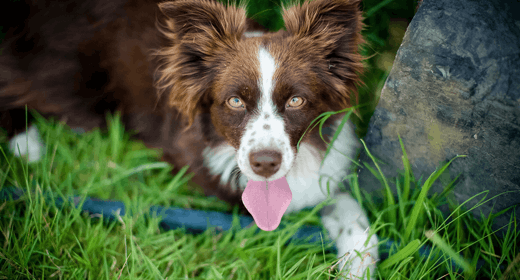
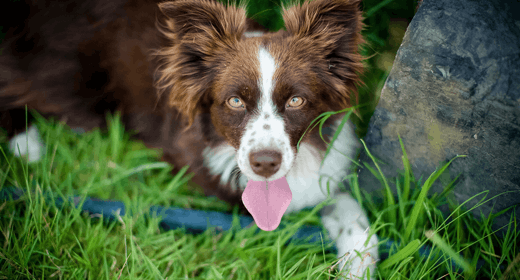
Dogs are goofy and cute animals that do the strangest things at times. We have all noticed puppies and dogs roll in the mud, lick their paws, or even sniff other dogs. Yet, the most disturbing sight is to witness a dog eating poop. Yes, dogs often try to eat their own poop, and at times another animal’s poop as well. This strange habit of dogs can be very worrisome to its caregivers, but why do dogs eat poop? Is there a valid reason for dogs to eat poop? Also, what happens if dogs eat poop? Well, there are numerous reasons to why dogs eat poop. Read the following to know more about this condition and why it occurs.
Coprophagia is a medical issue that conditions dogs to eat poop. It is a common condition and is believed to affect at least one in six dogs at a serious level, while at least one in four dogs have been caught trying to eat poop. This condition often occurs because of a decrease in the absorption of essential nutrients. Limited nutrients cause gastrointestinal issues which sometimes lead to coprophagia. A dog suffering from coprophagia finds their own as well as other animal’s stool appealing and appetizing. If you have noticed your dog eating poop or sniffing poop, then you should try to understand the reason for it before the condition exceeds.
Although coprophagia can cause dogs to eat poop, what causes this condition? Why do dogs eat their own poop because of coprophagia? Read the following to understand the various hypothesis that may be contributing to your pooch’s poop-eating habit.
If your dog eats poop there are chances of it suffering from numerous health concerns. Poop is simply waste that might carry harmful pathogens which can cause illness and uneasiness if consumed. Your pet might suffer from gastroenteritis, vomiting, decreased appetite, nausea, intestinal parasites, and diarrhea after consuming poop. Hence, it is necessary to identify the root cause of this habit and treat it at the earliest. Given below are a few steps that you can take to control and eventually stop your dog’s poop-eating habit.
Although coprophagia seems like a very serious condition, it is a very common condition. As mentioned previously one out of six dogs suffer from this condition, but with a little guidance and training, you can easily get it to stop consuming unpleasant hazardous things like garbage and poop. You should also try changing your dog’s food to more nutritious and nourishing food with high protein content, the right amount of fiber, and other nourishing elements like vitamins and minerals. However, if they continue eating poop, then you should visit a veterinarian doctor to get the condition diagnosed and treated at the earliest.
Yes, it is dogs who often eat poop because of various reasons ranging from anxiety to lack of nutrition. At least one in six dogs consume poop, but this habit can be controlled by taking the right measures.
Yes, poop is bodily waste that contains a lot of harmful germs, undigested food, and other harmful substances. Dogs can suffer from nausea, digestive issues, vomiting, and diarrhea because of eating poop.
If your dog has eaten poop, then you can do the following things to clean its mouth.
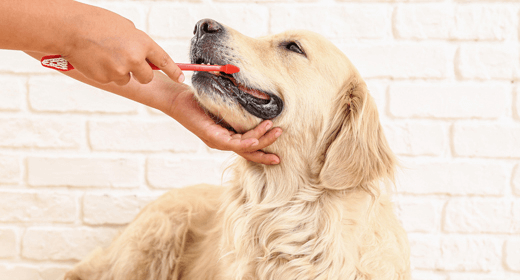
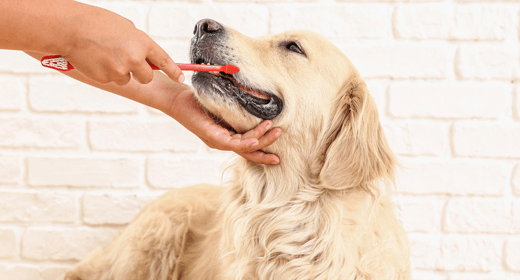
Oral care is a key component of your pet’s overall health: A smart regimen can help prevent the development of serious conditions. Keeping your pet’s teeth clean and bacteria-free results in more than just healthy teeth and fresh breath. With a little know-how and effort, you can protect your pet for a lifetime of companionship.
Tartar and gingivitis are the most common problems seen by veterinarians. The majority of dogs will develop these problems. Unchecked, these can lead to periodontitis and serious health concerns for your pet, up to and including, tooth loss and serious illness. But you can take action to control this and promote good oral health by incorporating the 3Ds: Daily Brushing, Dentistry. and Diet.
Daily brushing of your pet’s teeth will remove plaque and slow the development of tartar. When first beginning to brush, be gradual and make it a pleasant experience. Start by using your finger. Later, introduce a toothbrush. Be sure to praise and reassure your pet while brushing. Also, reward your pet afterward with play or a walk.
Talk with your veterinarian about annual or semiannual teeth cleaning—a dental prophylaxis or prophy for short. Teeth cleaning, performed by your veterinarian, is the only way to remove tartar.
Diet is important to good oral health. The mechanical, brushing action of dry, crunchy kibbles helps remove plaque and works to scrub teeth clean. Some diets also might include ingredients such as hexametaphosphate (HMP) that can help block tartar formation. Diet, daily brushing, and dentistry helps break the plaque-to- tartar cycle and optimize oral health.