Enter a keyword below to search for articles and products.
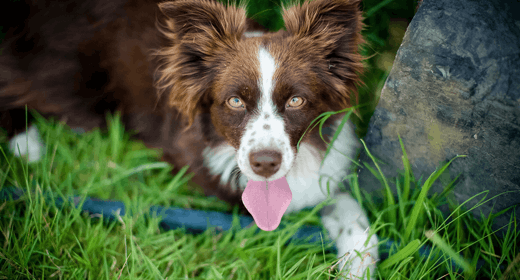
Dogs are goofy and cute animals that do the strangest things at times. We have all noticed puppies and dogs roll in the mud, lick their paws, or even sniff other dogs. Yet, the most disturbing sight is to witness a dog eating poop. Yes, dogs often try to eat their own poop, and at times another animal’s poop as well. This strange habit of dogs can be very worrisome to its caregivers, but why do dogs eat poop? Is there a valid reason for dogs to eat poop? Also, what happens if dogs eat poop? Well, there are numerous reasons to why dogs eat poop. Read the following to know more about this condition and why it occurs.
Coprophagia is a medical issue that conditions dogs to eat poop. It is a common condition and is believed to affect at least one in six dogs at a serious level, while at least one in four dogs have been caught trying to eat poop. This condition often occurs because of a decrease in the absorption of essential nutrients. Limited nutrients cause gastrointestinal issues which sometimes lead to coprophagia. A dog suffering from coprophagia finds their own as well as other animal’s stool appealing and appetizing. If you have noticed your dog eating poop or sniffing poop, then you should try to understand the reason for it before the condition exceeds.
Although coprophagia can cause dogs to eat poop, what causes this condition? Why do dogs eat their own poop because of coprophagia? Read the following to understand the various hypothesis that may be contributing to your pooch’s poop-eating habit.
If your dog eats poop there are chances of it suffering from numerous health concerns. Poop is simply waste that might carry harmful pathogens which can cause illness and uneasiness if consumed. Your pet might suffer from gastroenteritis, vomiting, decreased appetite, nausea, intestinal parasites, and diarrhea after consuming poop. Hence, it is necessary to identify the root cause of this habit and treat it at the earliest. Given below are a few steps that you can take to control and eventually stop your dog’s poop-eating habit.
Although coprophagia seems like a very serious condition, it is a very common condition. As mentioned previously one out of six dogs suffer from this condition, but with a little guidance and training, you can easily get it to stop consuming unpleasant hazardous things like garbage and poop. You should also try changing your dog’s food to more nutritious and nourishing food with high protein content, the right amount of fiber, and other nourishing elements like vitamins and minerals. However, if they continue eating poop, then you should visit a veterinarian doctor to get the condition diagnosed and treated at the earliest.
Yes, it is dogs who often eat poop because of various reasons ranging from anxiety to lack of nutrition. At least one in six dogs consume poop, but this habit can be controlled by taking the right measures.
Yes, poop is bodily waste that contains a lot of harmful germs, undigested food, and other harmful substances. Dogs can suffer from nausea, digestive issues, vomiting, and diarrhea because of eating poop.
If your dog has eaten poop, then you can do the following things to clean its mouth.


It is a sight no dog owner wants to see – your beloved pet heaving and uncomfortable, its body racked with nausea. For many, the sound of a dog vomiting sets off alarm bells. But why do dogs vomit, and what causes an upset stomach in dogs? More importantly, when is a dog's upset stomach merely a passing concern, and when does it indicate a more serious issue? Let's delve into these questions to better understand our four-legged friends' health.
Vomiting in dogs is a common occurrence and can be triggered by various factors. This process involves the forceful ejection of the contents within a dog's stomach or upper intestine. This action is often preceded by signs of nausea, such as drooling, licking lips, and swallowing excessively. Sometimes, the cause of vomiting is fairly benign – your dog may have just eaten too quickly or consumed something that didn't agree with its stomach. In other instances, it could be a sign of something more serious, such as ingestion of a toxic substance or a serious illness.
The reasons behind a dog's upset stomach are varied and can range from mild to severe. Upset stomach, medically termed as gastroenteritis, is caused by inflammation or irritation in the stomach or intestines. This can be triggered by a sudden change in diet, food intolerances, ingestion of foreign substances, bacterial or viral infections, and even serious conditions like pancreatitis or kidney failure.
One common mistake dog parents make is confusing vomiting with regurgitation. When a dog regurgitates, it's typically soon after eating and is a passive process, where undigested food comes up without much effort. On the other hand, vomiting involves active abdominal contractions and results in the expulsion of partially digested food mixed with bile.
Any dog owner knows that an upset stomach can leave their furry friend feeling less than their best. Recognizing the signs of an upset stomach can help in providing prompt care and relief for your pet. Typical symptoms include:
More serious signs include:
If your dog appears to be in pain, loses appetite, shows signs of dehydration, has a fever, or exhibits unusual behaviors such as lethargy, restlessness, or shivering, it's a clear indication that something is wrong.
In extreme cases, an upset stomach can result in weight loss and frequent vomiting in dogs, which can be a sign of serious medical conditions such as liver or kidney disease, pancreatitis, or even cancer. It is also important to monitor stress in your dog, as this can often exacerbate or trigger stomach issues.
When it comes to treating a dog's upset stomach, the appropriate treatment will largely depend on the underlying cause. If it's a mild case, such as a dietary change or eating too quickly, simple home remedies might be sufficient. However, if the condition persists or is associated with other serious symptoms, it's essential to consult with a vet.
Some common dog vomiting treatments are:
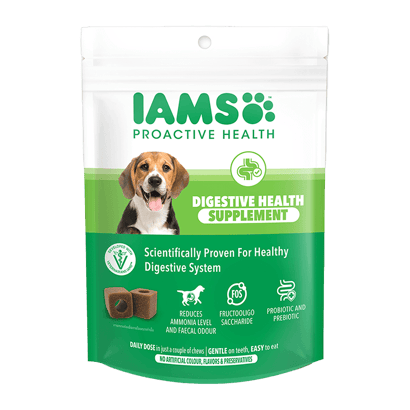
The best remedies for your dog’s upset stomach are probiotics such as IAMS™ Proactive Health™ Digestive Health Supplement and pumpkin, which can aid digestion. However, it's essential to remember that these are not cures but temporary solutions. If your dog continues to vomit or display signs of an upset stomach, a trip to the vet is necessary.
It's essential to remember that while some instances of dog vomiting or upset stomach can be managed at home, more frequent or severe symptoms necessitate a visit to the vet. Early detection of symptoms can make a significant difference in your dog's health. If your dog vomits multiple times in a day, shows no signs of improvement after 24 hours, or frequently throws up mucus, it's time to take your pet to the vet. The age and overall health of your dog also play a crucial role in this decision.
While home-cooked foods like skinless chicken, boiled potatoes, or rice can be good short-term options for a dog with an upset stomach, they are not nutritionally complete for long-term care. It's also crucial to avoid feeding your dog raw food, which can contain harmful germs like salmonella. Always follow your vet's recommendations to ensure your dog's health and safety.
In addition to following your vet's advice, consider integrating a digestive health supplement into your dog's diet. IAMS™ Proactive Health™ Digestive Health Supplement is a soft, chewable supplement that combines prebiotics and probiotics to regulate your dog's gut health. It contains no artificial color, flavor, preservatives, or fillers, making it a safe and effective choice for enhancing your dog's digestive health.
Understanding the causes, symptoms, and treatments of dog vomiting and upset stomach, and consulting with a vet, when necessary, can help ensure your furry friend's well-being. Remember, their health is in your hands.