Enter a keyword below to search for articles and products.
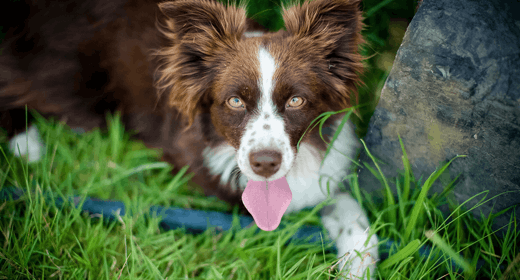
Dogs are goofy and cute animals that do the strangest things at times. We have all noticed puppies and dogs roll in the mud, lick their paws, or even sniff other dogs. Yet, the most disturbing sight is to witness a dog eating poop. Yes, dogs often try to eat their own poop, and at times another animal’s poop as well. This strange habit of dogs can be very worrisome to its caregivers, but why do dogs eat poop? Is there a valid reason for dogs to eat poop? Also, what happens if dogs eat poop? Well, there are numerous reasons to why dogs eat poop. Read the following to know more about this condition and why it occurs.
Coprophagia is a medical issue that conditions dogs to eat poop. It is a common condition and is believed to affect at least one in six dogs at a serious level, while at least one in four dogs have been caught trying to eat poop. This condition often occurs because of a decrease in the absorption of essential nutrients. Limited nutrients cause gastrointestinal issues which sometimes lead to coprophagia. A dog suffering from coprophagia finds their own as well as other animal’s stool appealing and appetizing. If you have noticed your dog eating poop or sniffing poop, then you should try to understand the reason for it before the condition exceeds.
Although coprophagia can cause dogs to eat poop, what causes this condition? Why do dogs eat their own poop because of coprophagia? Read the following to understand the various hypothesis that may be contributing to your pooch’s poop-eating habit.
If your dog eats poop there are chances of it suffering from numerous health concerns. Poop is simply waste that might carry harmful pathogens which can cause illness and uneasiness if consumed. Your pet might suffer from gastroenteritis, vomiting, decreased appetite, nausea, intestinal parasites, and diarrhea after consuming poop. Hence, it is necessary to identify the root cause of this habit and treat it at the earliest. Given below are a few steps that you can take to control and eventually stop your dog’s poop-eating habit.
Although coprophagia seems like a very serious condition, it is a very common condition. As mentioned previously one out of six dogs suffer from this condition, but with a little guidance and training, you can easily get it to stop consuming unpleasant hazardous things like garbage and poop. You should also try changing your dog’s food to more nutritious and nourishing food with high protein content, the right amount of fiber, and other nourishing elements like vitamins and minerals. However, if they continue eating poop, then you should visit a veterinarian doctor to get the condition diagnosed and treated at the earliest.
Yes, it is dogs who often eat poop because of various reasons ranging from anxiety to lack of nutrition. At least one in six dogs consume poop, but this habit can be controlled by taking the right measures.
Yes, poop is bodily waste that contains a lot of harmful germs, undigested food, and other harmful substances. Dogs can suffer from nausea, digestive issues, vomiting, and diarrhea because of eating poop.
If your dog has eaten poop, then you can do the following things to clean its mouth.
Author: Dr. Diah Pawitri
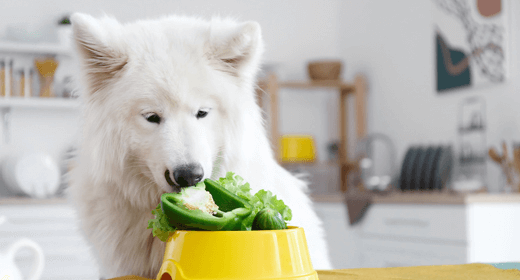
When visiting the store, dog owners can get overwhelmed by the array of dog food options available, from dry kibble to canned wet food and more. These processed foods may not be appealing to humans, but they contain all the nutrients that dogs need to stay healthy. Like humans, dogs also need a variety of nutrients from their food, not just from meat as their main diet, but also from grains, vegetables, and fruits. This kind of balance is usually weighed by pet food labels in kibbles or wet food in grams for different types of dogs.
For optimum health, dogs need food that is tailored and customized to their life stages, starting from when they are puppies and all the way into adulthood. Puppies have completely different nutrient needs compared to adult dogs as they are still in their early stages of life. They need enough nutrients to fuel a speedy growth, especially after transitioning away from their mother's milk. Puppies require complete and balanced nutrition with protein to help build their tissues, fats or healthy skin, hair, brain, and vision, carbohydrates for energy, vitamins, minerals, and water.
The need for balanced nutrients in puppies starts with the mother during pregnancy, followed by lactation and growth. Sufficient nourishment for the mother is pivotal in enhancing the puppies’ growth inside the womb and preparing them for life after birth. Both mother and puppy should receive well-proportioned antioxidants, DHA, and prebiotics to support their health and growth as provided by the IAMS product line, which contains DHA that is essential for puppies' brain development while also supporting the mother's pregnancy and quality of milk produced.
While puppies need the primary nutrients for growth, adult dog food has a different level of complexity. Adult dog food requires the same make-up of nutrients as puppies do but tailored to their specific needs. Recent research indicates that an adult dog requires at least 10% of its daily calories from protein and at least 5.5% from fat. Adult dogs need quality protein for firm muscles and a healthy immune system. Additionally, an adult diet can contain up to 50% carbohydrates, with fiber ranging from 2.5 to 4.5%. There is no specific prescribed amount of fibre for adult dog consumption daily, however, it is still one of the most important components in dog food to address constipation and support a healthy weight.
Adult dogs in their prime also require a balance in antioxidants to reduce systemic inflammation and restore active muscles. They should receive Vitamin E and C to support their immune system, joint health, and prevent inflammation. As they grow older, they may be exposed to different diseases from diabetes to cancers, which can be prevented by polyphenols. Parents to adult dogs must acknowledge the most suitable food for their loved one that is comprised of the right amount of nutrients and can look to the IAMS line as they are formulated to support healthy bones and joint health, scientifically proven for healthy digestion with a good fibre and prebiotic blend, as well as antioxidants for a strong immune system.
Besides life stage, balanced nutrition should be adjusted to their breed, which give insight to different factors like weight, mouth size, and energy level. This will then determine the type of kibble and food given. Smaller breeds tend to be more active, requiring the same essential nutrients and prebiotics for a healthy body as well as smaller-sized kibble designed specifically for their smaller mouths. As smaller dogs relatively have a high metabolism, higher levels of protein, fat, and essential fatty acids like omega 3 and omega 6 are some of the important nutrients that should be available in their food. On the other hand, larger breeds require foods that are lower in fat and calories, contain slightly lower levels of calcium and phosphorus, and have a specific balance of calcium-to-phosphorus ratio to support stronger bones and muscles. Owners can look to products like the small breed line from IAMS, containing 7 essential nutrients to build strong muscles, support their tiny immune system while protecting their healthy skin and coat, and the product line for adults for large breeds.
Dog parents must acknowledge and understand the unique needs, life stage and characteristics in their dog to choose the right dog food so their furry ones can grow into their healthiest selves. Make sure to visit your vet regularly to check these components as well!