Enter a keyword below to search for articles and products.
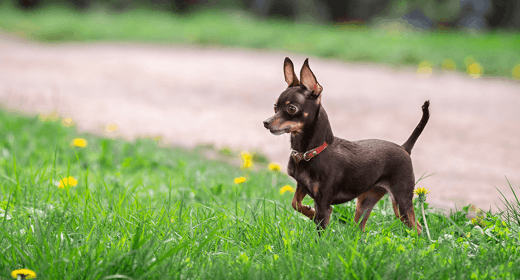
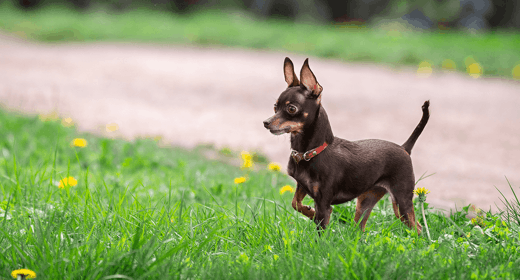
Have you ever spotted your beloved canine companion nibbling on the lush green blades in the backyard and found yourself pondering the reason behind this seemingly peculiar behavior? This intriguing habit has fascinated pet owners and experts for generations. In this blog, we will explore the various factors that might drive your furry friend to indulge in this grassy feast, unfolding the mystery behind their seemingly strange dietary preferences and habits.
Dogs have been known to display a liking towards occasionally nibbling on grass. While the exact rationale may differ from one dog to another, several theories attempt to shed light on this behavior, providing explanations for this habit. Understanding the underlying motivations can provide valuable insights into insights into our furry friends’ dietary preferences. Your dog could be eating grass due to various causes, some of which are listed below.
Some dogs simply relish the taste and texture of grass, which might be due to the change in taste, texture, or smell during different seasons. For them, indulging in a bit of greenery might be akin to us savoring a favorite snack. It may not necessarily serve any particular purpose other than fulfilling a canine craving for something different and intriguing, making it a harmless pastime that satisfies their curious taste buds and offers them a brief moment of sensory delight amid their daily routines.
In certain instances, dogs may resort to grass as a means of alleviating boredom and seeking sensory stimulation. Particularly for those lacking sufficient mental or physical engagement, exploring the various textures and tastes of the outdoors can serve as a form of entertainment, helping to pass the time and provide a temporary distraction from their otherwise monotonous routines. This act of grazing on grass could serve as a form of mental enrichment, offering them a much-needed change of pace and an opportunity to engage their senses.
Dogs, like humans, require a certain amount of fiber in their diets to maintain a healthy digestive system. Since grass is a natural source of fiber, sometimes dogs can eat grass instinctively to aid in digestion, especially if their regular diet lacks adequate fiber content. This act of consuming grass could potentially help them regulate their digestive processes, promoting better overall gut health and ensuring smooth bowel movements, contributing to their overall well-being and physical comfort.
Surprisingly, grass contains certain properties that could aid dogs in purging their system of any potentially harmful intestinal parasites. By inducing vomiting through grass consumption, dogs might instinctively attempt to cleanse their digestive tract, ridding themselves of any unwelcome parasites that could be causing discomfort or distress. This natural mechanism could be a part of their innate self-care routine, serving as a means of maintaining their overall health and well-being while safeguarding them from potential health risks posed by internal parasites.
Keeping a close eye on your dog's grass-eating habits is essential for understanding their overall well-being. Despite common assumptions, the act of consuming grass does not necessarily indicate an underlying illness, with reports suggesting that only about 10% of dogs appear to be unwell before indulging in grass. This emphasizes the importance of paying attention to other cues to gauge your pet's health accurately and understand if grass is good for dogs.
Furthermore, it is worth noting that most dogs, approximately 25%, who consume grass do not end up vomiting regularly after grazing. This challenges the conventional notion that grass consumption leads to subsequent vomiting. Some experts propose that this behavior might aid in digestion or cater to specific nutritional requirements, such as the need for additional dietary fiber, indicating a potentially intuitive dietary mechanism in canines.
However, as mentioned previously, it is plausible that your dog simply relishes the taste or texture of grass, viewing it as a form of sensory stimulation. By closely observing your dog's grass-eating patterns and any accompanying behaviors, you can discern whether this habit is a matter of preference or indicative of underlying health issues that require attention. This vigilance allows for a comprehensive understanding of your pet's dietary preferences and potential nutritional needs.
If you suspect your dog is eating grass out of boredom, it is crucial to ensure it is getting sufficient exercise and mental stimulation. Consider incorporating engaging activities into its routine, such as playing interactive games like fetch or providing it with durable chew toys to keep it occupied and mentally stimulated.
In cases where your dog's grass-eating behavior stems from a potential nutritional deficiency, transitioning to a higher-quality dog food, particularly one rich in dietary fiber, could help address the underlying issue. Consulting with a veterinarian to determine the most suitable dietary adjustments for your dog is advisable to ensure it receives the necessary nutrients.
While most experts agree that grass consumption itself isn't harmful, it's important to remain mindful of potential hazards. Some lawn treatments, including herbicides and pesticides, can be toxic if ingested. Similarly, several common household and garden plants are toxic to dogs, leading to health complications if consumed alongside grass. Being vigilant about the types of plants and substances your dog has access to will significantly mitigate potential risks associated with their grass-eating behavior.
Yes, it can be normal. Some dogs eat grass occasionally as a natural behavior, but excessive consumption might indicate a need for dietary or behavioral adjustments.
Not necessarily. If it's occasional and doesn't cause harm, it might be fine. However, if it's excessive or leads to vomiting or other issues, consult a vet.
Monitor for any unusual behavior or digestive issues. If it continues or causes problems, consult a vet to rule out underlying health issues.
Provide a well-balanced diet and ensure enough physical and mental stimulation. Redirect their focus with toys or activities and consult a vet if the behavior persists.
Dogs may eat grass due to various reasons, such as dietary deficiencies, upset stomachs, natural behavior, or simply because they enjoy the taste or texture. If it becomes frequent, consulting a vet can help identify any underlying issues.


Obesity in dogs is a more common problem than you might think. Between 25% and 40% of dogs are overweight, but often, owners don’t realize it until they take their dog to the veterinarian for another reason. Yet even vets can’t tell if a dog is obese by their weight alone. Ideal weight varies by breed, and quite widely within breeds.(Did you know, for instance, that Labrador retrievers, dachshunds and beagles areall prone to obesity?) In short, there’s no ideal healthy weight chart for all dogs!
The good news is that if your dog is overweight, there are a number of ways to help them reach a healthy weight. Don’t underestimate the power of daily walks and a weight management dog diet — IAMS™ Adult Healthy Weight can help return your dog to a healthy weight, providing a path to help keep them fit for life.
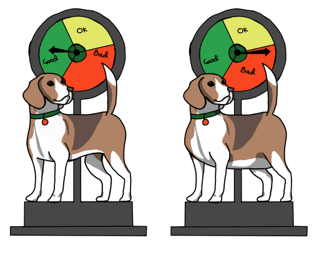
Can you feel individual ribs easily? Is your dog’s abdomen slightly tucked up whenviewed from the side? That’s a sign your dog is at their ideal weight.
If you can't feel the ribs easily, your dog has no waist and their abdomen drags,your pup is carrying extra weight. Your veterinarian can help you further evaluateyour dog’s condition and determine their ideal weight.
Dogs gain weight for the same reason people do: They eat more calories than theyuse. Today’s dogs share another problem with their human parents: lack of activity.Many pet parents work all day and are too tired to play with their dog afterward.
Dogs’ metabolisms might slow as they age or after they’re spayed or neutered,which means they require less food. Another common reason for weight gain isfrequently eating high-calorie treats. Sometimes more than one family member isfeeding the dog, and the dog sure isn’t telling!
Other factors that could contribute to canine obesity include:
If you suspect that your dog is overweight or obese, the !rst step is to set up anappointment with your veterinarian so they can evaluate their condition. Likewise,before beginning any weight loss program with your dog, make sure to discuss itwith your vet.
If your dog is overweight, it’s time to implement a weight-management regimen. Ifyou usually feed one large meal a day or keep food available at all times, try adifferent dog-feeding schedule by dividing the daily ration into several small meals— at least two meals a day. It takes energy to digest food, and dividing your dog’sdaily ration into separate feedings will help. If your dog leaves any food in theirbowl, pick it up 30 minutes after each meal.
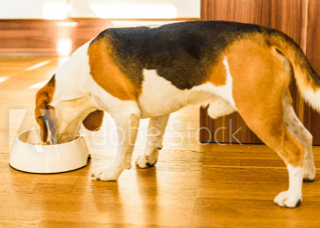
Your goal is to help your dog be healthier, so select their food carefully. Payattention to the ratio of fat, !ber, protein, carbohydrates and special ingredients inyour dog’s weight-management food:
After your dog reaches their ideal weight, select a maintenance food to keep theirweight steady.
Losing weight isn’t easy. Changing habits is the key. Here are some ways you can
help keep your dog on track:
A total weight-management program can lead to successful weight loss inoverweight or obese dogs. Remember: Your support is essential to your dog’sweight-control success.