IAMS PH
Your Dog’s Health, from 1 to 8 Years

adp_description_block240
Adult Dogs Health Care Guide

  • Share

Just like humans, dogs too need constant care and support throughout their lifetime. We all know puppies need more attention and care; however, did you know? Adult dog health is also equally important. In fact, dogs’ health is the primary responsibility of every pet parent. Providing the right nutrition and health care largely contributes to your pooch’s health. Keeping the four-legged angel away from the harmful pathogens, germs, and unhygienic surroundings is also a prime responsibility of every caregiver. A dog’s behavior, mood, and diet can say a lot about its baby’s health and fitness. Hence, as a dog parent, you must keep a close eye on your pet’s behavioral changes.
 

Signs of a healthy dog

There are many signs that help pet caregivers keep a tab on their canine companion’s health. Given below are a few signs to look for to understand your dog’s health and fitness status:

  • Shiny fur: Your pooch’s fur gives you direct insight into its health. You can easily identify a dog’s health with a single glance at its fur. A glossy, shiny fur with no parasites or bald spots is considered healthy. However, you must know that a certain degree of shedding is considered normal in some breeds.
  • Bright eyes: Another sign of a healthy dog is bright, shiny eyes. If your dog’s eyes are perfectly bright and have no issues of discharge or watering, it is considered a healthy sign.
  • Smooth skin: You should constantly check your fur baby’s skin alongside glancing over their fur. Your pet’s skin should ideally be free of any scratches, rashes, growth, and redness.
  • Clean ears: Another sign of a healthy adult dog are clean ears. Your dog’s ears should have no discharge, wax, or swelling as they could be a sign of an ear infection.
  • Temperature: 101°F to 102.5°F is the average normal body temperature for dogs. Your pooch’s health might be at risk in case of low or high temperature. Hence, you should constantly record their body temperature to ensure they are fit and fine.
  • Oral health: Adult dog health is also linked to gum, teeth, and mouth hygiene. Signs of healthy oral health in dogs include strong teeth, pink and normal gums, and no foul smell.
  • Normal stool: A healthy dog will not have any issues passing stool or urinating. You should constantly check your dog’s stool to look for signs of constipation and diarrhea. Signs of parasites and worms in stool can also be symptoms of an unhealthy dog.

Signs of a sick dog

Knowing about the symptoms of a sick dog helps caregivers identify and treat their pooch’s medical condition in time. Given below are a few signs and symptoms that might help you recognize any dog illness:

  • Loss of appetite: If you notice your pooch eating lesser or not being as enthusiastic about treats and mealtime, then there could be a potential health concern. Loss of appetite could be linked to stomach issues, gastrointestinal issues, or other illnesses.
  • Cough: Constant sneezing and coughing are signs of flu. Even though most adult dogs recover from flu within a few weeks, they can sometimes develop other bacterial infections. Hence, it is better to get them treated at the earliest to avoid such concerns.
  • Pain: If you notice your pet frequently chewing on their joints, limping, or whimpering, then they could be suffering from some sort of pain. Visit a vet at the earliest to get the issue diagnosed and start the necessary treatment.
  • Irritation: Constant irritation, aggression, and uncalled change in behavior is other signs of undiagnosed illness in dogs. Unlike humans, dogs cannot express their feelings in words. Hence, you need to pay close attention to their behavior to understand their complaints and concerns. Visible signs of irritation, barking, and sometimes lethargy could also be considered a sign of illness in adult dogs.
  • Diarrhea and vomiting: Dogs often vomit or pass stool when suffering from an upset stomach. Watery stool and constant urge to pee or pass stool are a few known signs of potential illness in dogs. If you notice your pet vomiting or suffering from diarrhea, you should consult a vet at the earliest.

Maintaining your pet’s health is an essential part of caring for them. Visiting a vet is necessary for getting your pooch vaccinated and regularly checked. Veterinarian doctors also prepare diet charts and suggest health supplements for your dog depending on its health requirements. In conclusion, looking for signs of sickness and constantly inspecting your dog's physical and psychological well-being ensures that your furry friend is hale and hearty.

Frequently asked questions

  1. What are some common dog’s health issues?
  2. Heartworms, canine influenza, parasites, and leptospirosis are some common health issues faced by dogs.

  3. How do I know if my dog is healthy?
  4. If your dog shows no signs or symptoms of illness, eats well, rests enough, and is in a pleasant mood on most days, then your dog is more likely to be healthy.

  5. What are the signs of a healthy dog?
  6. A clean, shiny coat, healthy pink gum, smooth skin, and normal body temperature are a few signs of a healthy dog.
  • Feeding Tips for Your Teething Puppy
    Feeding Tips for Your Teething Puppy
    adp_description_block103
    What to Feed a Teething Puppy?

    • Share

    Puppies grow quickly and have special nutritional needs to keep their bodies strong. The most noticeable period of a pup’s growth phase is known as the rapid growth stage, which occurs between 2 and 6 months of age. From about 3 to 6 months, most pups will lose their puppy teeth. In fact, you might find a tooth near the feeding dish or on the floor, and this is quite normal. However, you may also be left wondering what to feed a teething puppy. This is a perfectly normal query that tends to concern a lot of pet parents. 


    During the teething phase, the young pup’s mouth and gums may be very sensitive, which could cause them to be a bit picky when it comes to eating. There's nothing you can do except to wait it out, even if their appetite is low for a couple of days.


    Teething puppy tips

    While teething is painful for puppies, there are a few things you can do to make them feel better. Here is a quick guide for you on what to feed a teething puppy and how to choose toys for them. 


    • Feeding a teething puppy

      Your puppy may seem uninterested in dry food during teething. But don't switch to a new formula to stimulate your puppy's appetite. Changing food at this time can cause additional stress and intestinal upset. The tips below could help your puppy make the change:

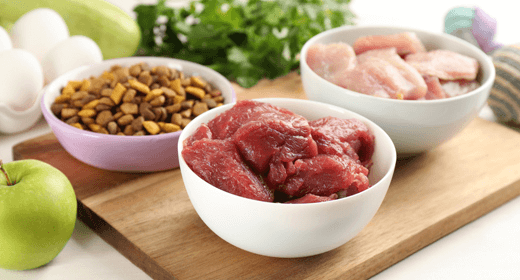
      • Mix their regular, premium dry food with premium canned puppy food to soften the dry food and make mealtime even more appealing. Or try some moist food to help him through this sensitive period.
      • Mix their regular, premium dry food with premium canned puppy food to soften the dry food and make mealtime even more appealing. Or try some moist food to help him through this sensitive period.
      • Soak dry food in warm water for 10 to 15 minutes before serving. Feeding dry food and biscuits loosens the teeth, so pups can get through the teething process quicker. If their appetite loss persists, see your veterinarian before you switch food.


    • Choosing chewing toys

      Encourage your young dog to chew on toys by choosing chew toys that are appropriate for their size. Also, pick a variety of textures to keep them interested in the toys. You can also try giving them frozen toys that are shaped like a bone. Always keep an eye on the puppies while they are busy chewing the toys, to ensure they don’t bite off chunks. If that happens, make sure to replace the toy immediately.


    • Other ways to alleviate teething pain

      You can also give your puppy a clean and damp washcloth, chilled for a few hours. Chewing on this will also provide some much-needed relief. Ensure that you supervise the puppy while they are chewing on this cloth so that they don’t ingest any sections of it.


    A few other things to remember

    Teething is a painful process for the puppies and can cause just as much inconvenience to the owners. Your puppy may lose their appetite and may experience a lot of pain and discomfort. But it is essential to get them through it all while also maintaining their diet. You can consult your vet for any major decisions or choices you make for your puppy during this time - the choice of toys, food, and other soothing methods. You will also have to keep constant vigilance to prevent your little companion from chewing on anything that may harm them, like shoes or the couch. These six months of the teething period may be hard, but you will certainly enjoy seeing them grow through this phase.


    In addition to teething, ensuring excellent dental care for your dogs or puppies is of utmost importance. Discover our captivating blog post on dog dental care, and unlock a world of techniques to keep those pearly whites shining bright!


    If you're looking for the perfect dog for you, try our Dog Breed Selector today and enjoy a lifetime of tail-wagging joy.

Close modal