Enter a keyword below to search for articles and products.
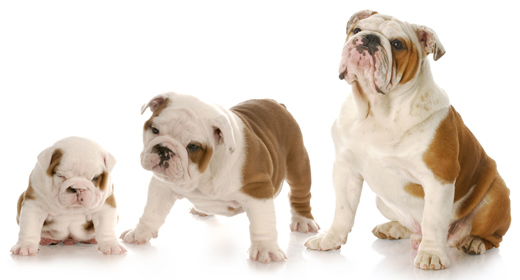
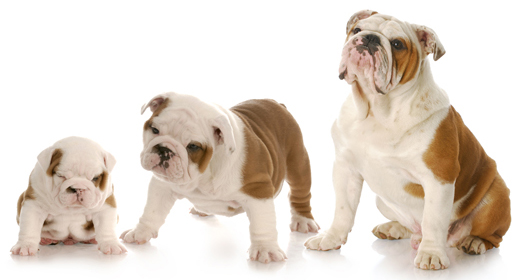
Just like humans, dogs too need constant care and support throughout their lifetime. We all know puppies need more attention and care; however, did you know? Adult dog health is also equally important. In fact, dogs’ health is the primary responsibility of every pet parent. Providing the right nutrition and health care largely contributes to your pooch’s health. Keeping the four-legged angel away from the harmful pathogens, germs, and unhygienic surroundings is also a prime responsibility of every caregiver. A dog’s behavior, mood, and diet can say a lot about its baby’s health and fitness. Hence, as a dog parent, you must keep a close eye on your pet’s behavioral changes.
There are many signs that help pet caregivers keep a tab on their canine companion’s health. Given below are a few signs to look for to understand your dog’s health and fitness status:
Knowing about the symptoms of a sick dog helps caregivers identify and treat their pooch’s medical condition in time. Given below are a few signs and symptoms that might help you recognize any dog illness:
Maintaining your pet’s health is an essential part of caring for them. Visiting a vet is necessary for getting your pooch vaccinated and regularly checked. Veterinarian doctors also prepare diet charts and suggest health supplements for your dog depending on its health requirements. In conclusion, looking for signs of sickness and constantly inspecting your dog's physical and psychological well-being ensures that your furry friend is hale and hearty.
Heartworms, canine influenza, parasites, and leptospirosis are some common health issues faced by dogs.
If your dog shows no signs or symptoms of illness, eats well, rests enough, and is in a pleasant mood on most days, then your dog is more likely to be healthy.
A clean, shiny coat, healthy pink gum, smooth skin, and normal body temperature are a few signs of a healthy dog.


Active dogs thrive on diets high in fat. To preserve a high-fat dry kibble diet, however, is a challenge. The IAMS research team met that challenge with an effective preservative system used in all our dry dog food products, such as IAMS™ ProActive Health™ Adult MiniChunks.
The preservative system features a special blend of mixed tocopherols. Tocopherols are antioxidants extracted from vegetable oils. There are four major types of tocopherols. Vitamin E, also known as alpha-tocopherol, is commonly used in dog foods, though a specific mixture of the different tocopherols protects against rancidity.
Our preservative system slows the rate of oxidation and allows for an extended shelf life.
Wet foods, such as IAMS™ ProActive Health™ with Chicken and Whole Grain Rice Pate, do not require preservatives because they are preserved by packaging. When the ingredients are mixed and ready for cooking, the mixture is packed into cans, trays or pouches and cooked in a retort. Similar in principle to a pressure cooker, the retort sterilizes and preserves the product.
The cans, trays or pouches are then cooled under conditions that assure product sterility and container integrity.
Thorough shelf-life testing is conducted on all our products. In general, shelf lives for various types of products are:
24 months for wet foods
16 months for dry foods
12 months for biscuits
By using a preservative system in our dry dog food and preservation through packaging in our wet dog food, IAMS makes sure the food your dog eats is well-balanced and nutritionally beneficial.