IAMS PH
Small-breed Mature or Senior Dog’s Nutritional Needs

adp_description_block40
Small-breed Mature or Senior Dog’s Nutritional Needs

  • Share

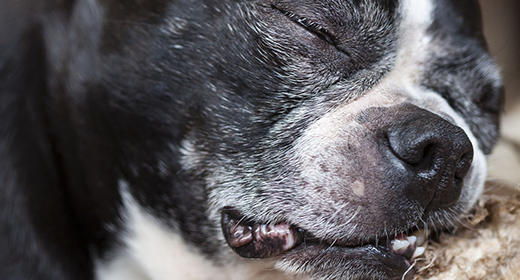
Unlike larger-breed dogs that are considered mature or senior at age 5, small-breed dogs usually don’t experience age-related changes as early. But by age 7, your small dog is mature or senior, and his nutritional requirements are changing. You can help keep your dog active, happy and healthy with a specially formulated mature diet that delivers highly digestible, enhanced nutrition.


The Signs of Aging in Small-breed Dogs

The changes your small dog is going through affect him in many ways. You may notice a dull, dry coat and flaky skin, energy loss or weight gain, more frequent intestinal problems, joint stiffness and a loss of lean muscle mass. It’s true that an aging dog may require fewer calories, but your mature or senior dog still needs high-quality protein and carefully balanced nutrients.


What to Look for in Mature or Senior Small-breed Dog Food

What your dog needs is a high-quality, balanced maintenance food formulated for a small dog’s changing metabolism. Look for options with these age-essential nutrients:

  • Antioxidants such as vitamin E and beta-carotene to help boost the immune system
  • High-quality animal-based protein sources to help maintain muscle mass
  • Special fiber sources such as beet pulp to help maintain intestinal health and support your dog’s ability to absorb age-essential nutrients
  • A special carbohydrate blend of healthy grains for sustained energy

These ingredients are the keys to mature nutrition whether you feed dry or wet dog food or give your dog treats.

Additionally, small dogs have small mouths and small stomachs. A nutrient-dense mature formula with smaller kibble may help make food easier for your dog to chew.


Special Needs of Mature or Senior Small-breed Dogs

Older, less-active dogs are prone to weight gain. Keeping your dog at a healthy weight can help minimize the risk of developing diabetes or joint stress. Your dog can benefit from a weight-control diet with these key ingredients:

  • A reduced fat level that still offers essential nutrients for skin and coat health
  • L-carnitine, a key nutrient that helps burn fat during weight loss
  • Special carbohydrate blends that help maintain energy while managing weight

While your mature or senior dog’s nutritional needs may be changing, that doesn’t mean he doesn’t have many active, happy years ahead. Make sure your dog can make the most of them by feeding him a proper diet designed for mature small-breed dogs.
Small-breed Mature or Senior Dog’s Nutritional Needs
article Small-breed Mature or Senior Dog’s Nutritional Needs
  • cat article detail banner
    Tips for Feeding Your Adult Cat
    adp_description_block467
    Tips for Feeding Your Adult Cat

    • Share

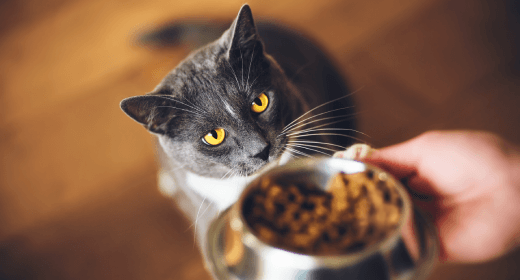
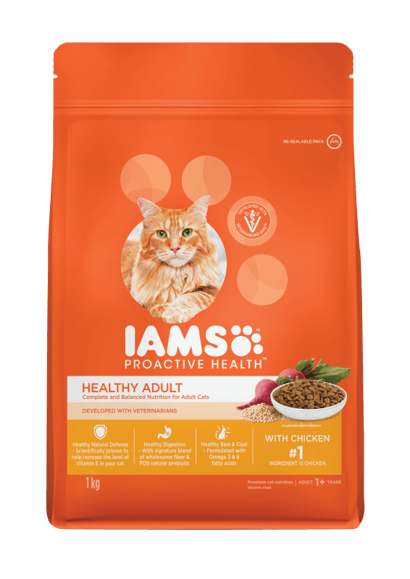
    At about 12 months, your cat no longer requires the high levels of minerals, protein, and energy needed while he was a quickly growing kitten. So switch him to a high-quality food, such as IAMS™ ProActive Health™ Adult Original with Chicken, which is specifically balanced for the nutritional needs of adult cats. When choosing food, follow these steps.
     

    • Read the nutritional claims on food packages. Check the label to make sure the food is appropriate for the stage of your cat's life (kitten, adult, or senior). Also, look for a statement saying that the food meets the requirements of the Association of American Feed Control Officials (AAFCO). If your cat's food doesn't have the AAFCO’s nutritional claim on its label, there is no guarantee that your cat will get a complete and balanced diet.
    • Choose premium food. Premium cat foods, which generally use higher-quality, more easily digestible ingredients, are more nutrient-dense than the less expensive brands. So, your cat will get the calories he needs by eating less food. As a result, the difference in actual cost of feeding him premium food instead of generic may be only a couple of cents a day.
    • Consult your veterinarian. Because your cat's nutritional needs change as he grows older and certain medical conditions require a special diet, always talk with your vet about cat feeding specifics, including what–and how much–to feed your cat.


    Once you've selected a food, establish healthy feeding habits.
    • Always measure the food you feed your cat. Start with the portion recommended on the package, even though the serving size may not be ideal to keep your cat healthy. If he doesn't eat all of the food or starts to gain too much weight, cut back the portions; if he begins to look thin, increase the amount until he's maintaining a healthy weight.
    • Create a cat feeding schedule. Nutritionally, one meal a day is OK for adult cats. If your cat seems hungry more often, try multiple smaller meals at established times. Remember, more mealtimes shouldn't mean more food. Split up the recommended serving size to create several meals.
    • Consider free-feeding for fit and trim pets. Leaving dry food available all day so your cat can nibble whenever he likes will work if he's at a healthy weight. If he's overweight or overeats, or you can't gauge how much he's eating because other pets share his food, it's best not to leave food out.
    • Ban table scraps and limit treats. Not only are they high in fat and calories, but they also can interfere with the correct—and complete—nutrition your cat is getting from his food.
    • Introduce new food gradually. Whenever you want to begin your cat on a new food, mix it in with the old. Start with a small amount of new food and increase the percentage over several days. Cats are more likely to accept change if it happens slowly, and their digestive systems are less likely to be upset.
    • Keep fresh water in a clean bowl available at all times. Cats need water to help regulate their body temperature, digest their food, and eliminate waste, among other things. Providing plenty of fresh water is especially important if your cat eats only dry food or is prone to urinary tract blockages.

Close modal