Enter a keyword below to search for articles and products.


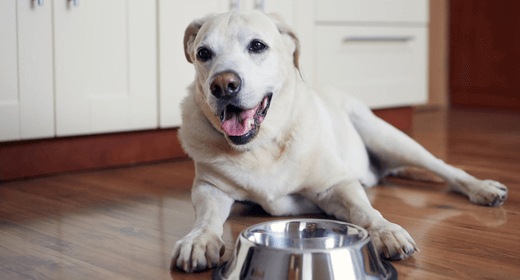
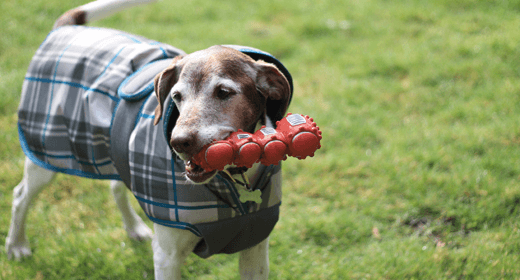
As your dog matures, his body functions change. He might have decreased immune-system function, deterioration of skin and coat quality, and more frequent intestinal problems. So it makes sense that what a mature dog eats might also need to change.
Throughout a dog's life, a process called peroxidation occurs. This is a normal process the body uses to destroy cells that outlive their usefulness and to kill germs and parasites, but this process also can destroy or damage healthy cells. As a dog ages, the damage caused by peroxidation accumulates and, in turn, increases the risk of certain problems such as infections.
Antioxidants are naturally occurring components in the body (but also can be acquired through diet). They help maintain overall health by neutralizing the peroxidation process of cellular molecules.
Research sponsored by IAMS™ found that dogs fed a diet rich in antioxidants such as vitamin E had improved immune responses and vaccine recognition. This might be especially important for mature/senior dogs, because IAMS research has found that, as dogs age, immune responses can decrease.
Eating a complete and balanced diet with omega-3 fatty acids, such as those found in vitamin-rich fish oils, also helps rejuvenate dry skin and develop a healthy, lustrous coat.
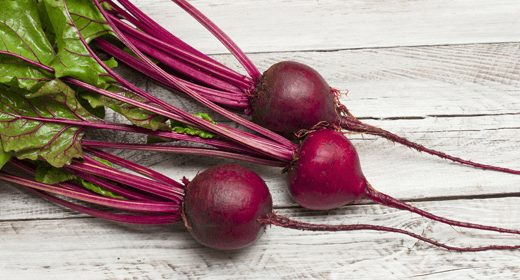
Aging dogs might have higher numbers of unfavorable bacteria and lower numbers of beneficial bacteria in their intestines, which can result in clinical signs of gastrointestinal problems (such as diarrhea). A diet with a moderately fermentable fiber source such as beet pulp can help maintain intestinal health. Beet pulp provides energy for the cells lining the intestine and promotes proper stool formation.
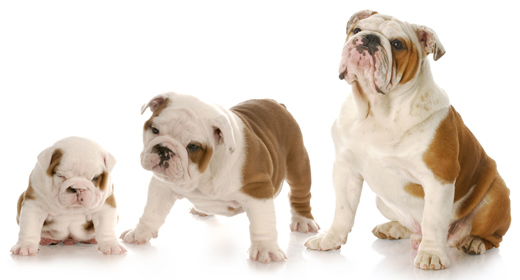
Different dogs show signs of aging at different times, and much of this variation is associated with size. Larger dogs generally appear mature/senior sooner than smaller dogs. The table below can show you when your dog should start a mature diet with a food such as IAMS ProActive Health™ Mature Adult.
Dog Weight and Transition to Mature/Senior Foods
| Weight Range | Age to Begin Transition |
|---|---|
| More than 90 lbs | 5 years |
| 51 to 90 lbs | 6 years |
| 21 to 50 lbs | 7 years |
| Up to 20 lbs | 7 years |
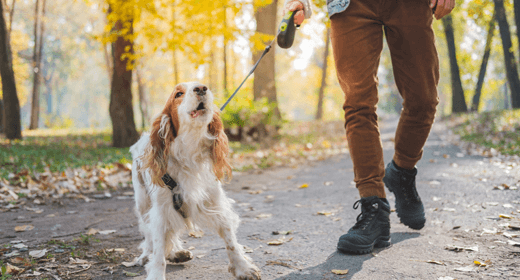
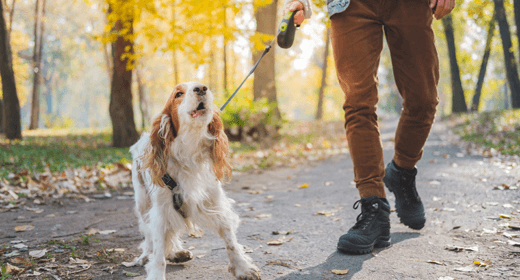
Barking is your dog’s way of communicating. We often observe dogs barking at people and things to grab attention. It is a normal dog behaviour that is often a reflex for expressing emotions related to anxiety, aggression, or boredom. Different types of barks emote different moods and feelings of the dog. Dogs also bark to stop others from entering their territory.
Even though dogs bark to communicate their emotions, excessive barking can cause disturbance to pet parents. In such situations, pet caregivers often look for ways to teach barking on command to their fur babies. If you too want to learn how to stop a dog from barking in the right manner, then read the following.
Dogs often bark to claim territory, express emotions, and communicate with others. However, sometimes, dogs might not know how to control their barking habits. Teaching your pooch to stop barking unnecessarily makes them calmer by sharpening their natural instincts. While barking is a norm for dogs, barking on command is a skill that you easily teach your fur baby. Follow the below points to learn how to teach your dog to stop barking.
The following are a few things you can try to teach your dog to stop barking on command:
Though these tricks will train your canine companion to control its barking habits, you must know that barking is a reflex instinct for dogs. Hence, it is imperative to stay consistent and regular when training a dog. It often takes time for dogs to learn commands and control their instinct to bark. However, with regular practice and consistent effort, you can eventually stop your dog from barking at will.