Enter a keyword below to search for articles and products.


As your dog matures, his body functions change. He might have decreased immune-system function, deterioration of skin and coat quality, and more frequent intestinal problems. So it makes sense that what a mature dog eats might also need to change.
Throughout a dog's life, a process called peroxidation occurs. This is a normal process the body uses to destroy cells that outlive their usefulness and to kill germs and parasites, but this process also can destroy or damage healthy cells. As a dog ages, the damage caused by peroxidation accumulates and, in turn, increases the risk of certain problems such as infections.
Antioxidants are naturally occurring components in the body (but also can be acquired through diet). They help maintain overall health by neutralizing the peroxidation process of cellular molecules.
Research sponsored by IAMS™ found that dogs fed a diet rich in antioxidants such as vitamin E had improved immune responses and vaccine recognition. This might be especially important for mature/senior dogs, because IAMS research has found that, as dogs age, immune responses can decrease.
Eating a complete and balanced diet with omega-3 fatty acids, such as those found in vitamin-rich fish oils, also helps rejuvenate dry skin and develop a healthy, lustrous coat.
Aging dogs might have higher numbers of unfavorable bacteria and lower numbers of beneficial bacteria in their intestines, which can result in clinical signs of gastrointestinal problems (such as diarrhea). A diet with a moderately fermentable fiber source such as beet pulp can help maintain intestinal health. Beet pulp provides energy for the cells lining the intestine and promotes proper stool formation.
Different dogs show signs of aging at different times, and much of this variation is associated with size. Larger dogs generally appear mature/senior sooner than smaller dogs. The table below can show you when your dog should start a mature diet with a food such as IAMS ProActive Health™ Mature Adult.
Dog Weight and Transition to Mature/Senior Foods
| Weight Range | Age to Begin Transition |
|---|---|
| More than 90 lbs | 5 years |
| 51 to 90 lbs | 6 years |
| 21 to 50 lbs | 7 years |
| Up to 20 lbs | 7 years |
Population control is as essential for pets as it is for humans. Overpopulation by unwanted kindle of kittens or puppies is difficult to manage by caregivers. Many newborn young kittens and puppies are either put up for adoption or sent to an animal shelter. Besides, reproduction can be a tedious journey for your furry friend. Hence, it is better to get them spayed and neutered at the right time.
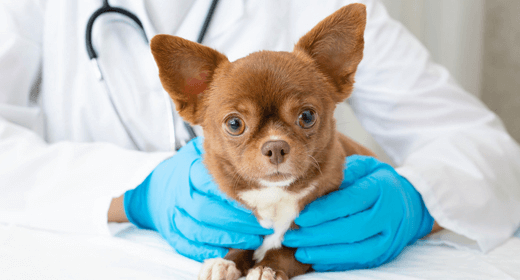
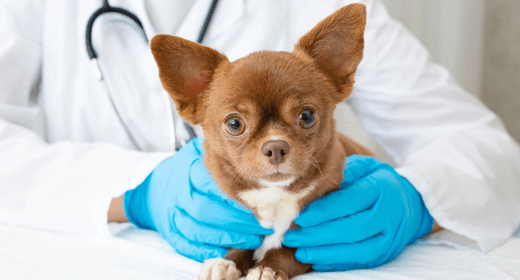
Spaying and neutering are medical procedures performed on dogs to stop their reproduction process. Dog neutering and spaying is one the essential medical procedures for providing care to your fur baby. There are many benefits of neutering and spaying your canine friend. To understand more about this helpful medical procedure, read the following.
A neutered or spayed dog cannot reproduce as their heat cycle is eliminated. Dog neutering is a medical procedure performed on male dogs while spaying is performed on female dogs. Veterinarian surgeons perform a surgical procedure to remove ovaries and uterus from female dogs. Besides population control, spaying also prevents uterine infections and breast cancer in female dogs. Whereas neutering is a similar procedure performed on male dogs. Neutered dogs undergo surgery for removing both testicles and associated structures. Male neutered dogs are generally believed to be more well-behaved and calmer. The surgery also stops their breeding acts such as humping and the urge to run away.
Getting your dog spayed and neutered is essential for their psychological and physical well-being and behavior. Yet, when to spay a dog and when to neuter a puppy is a common query amongst pet caregivers. Well, it is best to get your pooch neutered or spayed at the earliest. It is best to get your fur baby neutered or spayed before it develops breeding instincts. Undergoing the procedure between 4 and 6 months is suggested. Most breeds of dogs reach redevelopment maturity around 6 months of age, yet some breeds can easily be neutered or spayed until 9 months or even after they turn over a year old. Hence, your pooch’s breed and size decide how soon it needs to be spayed or neutered.
There are numerous reasons to opt for spaying and neutering for pets. By undergoing spaying and neutering procedures, pets can achieve better physical and psychological health. Neutered and spayed dogs are known to have better hormonal balance as their reproductive organs are removed which helps in neutralizing their breeding instincts. Mentioned below are a few more reasons why you should get your pets neutered and spayed.
It is necessary to take some preventive measures to build trust and assurance before getting your pooch neutered or spayed. The following are a few things you should do to prepare your canine friend before getting it neutered/ spayed.
Neutering or spaying can typically take anywhere between 20 to 90 minutes depending on the size, breed, and health of your pooch. As a pet parent, you need to ensure the best care and support for your fur baby to ensure its complete and stress-free recovery post-surgery. Puppies and dogs often take up to 10 to 14 days to recover after getting neutered or spayed. The following are a few things you should do to ensure your puppy recovers well after getting neutered or spayed.
Managing the population is essential for strays as well as pets. When you get your pets neutered and spayed, you eliminate their chances of contributing to the overpopulation of dogs. Besides, spaying and neutering also help in managing your pooch’s aggression and urge to run away by controlling their hormones and making them calmer. Neutering and spaying also save your pooch from falling prey to infections and fatal illnesses like cancer. Hence, it is best to get your canine friend neutered or spayed at the earliest by consulting a vet.